



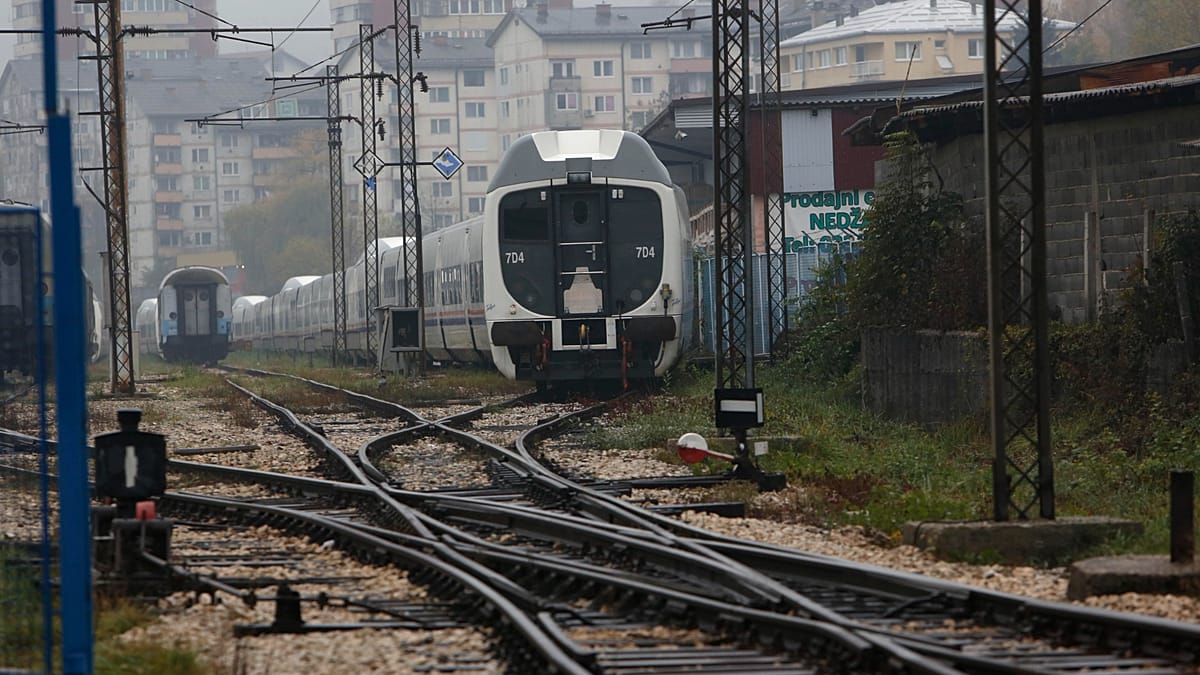
The European Union has invested €527 million into a flagship fund designed to better connect the Western Balkans to the bloc’s transport network.
ADVERTISEMENT


ADVERTISEMENT
However, more than a decade after the initiative was launched, EU auditors warn that the region is unlikely to complete its core European transport network by the 2030 deadline.
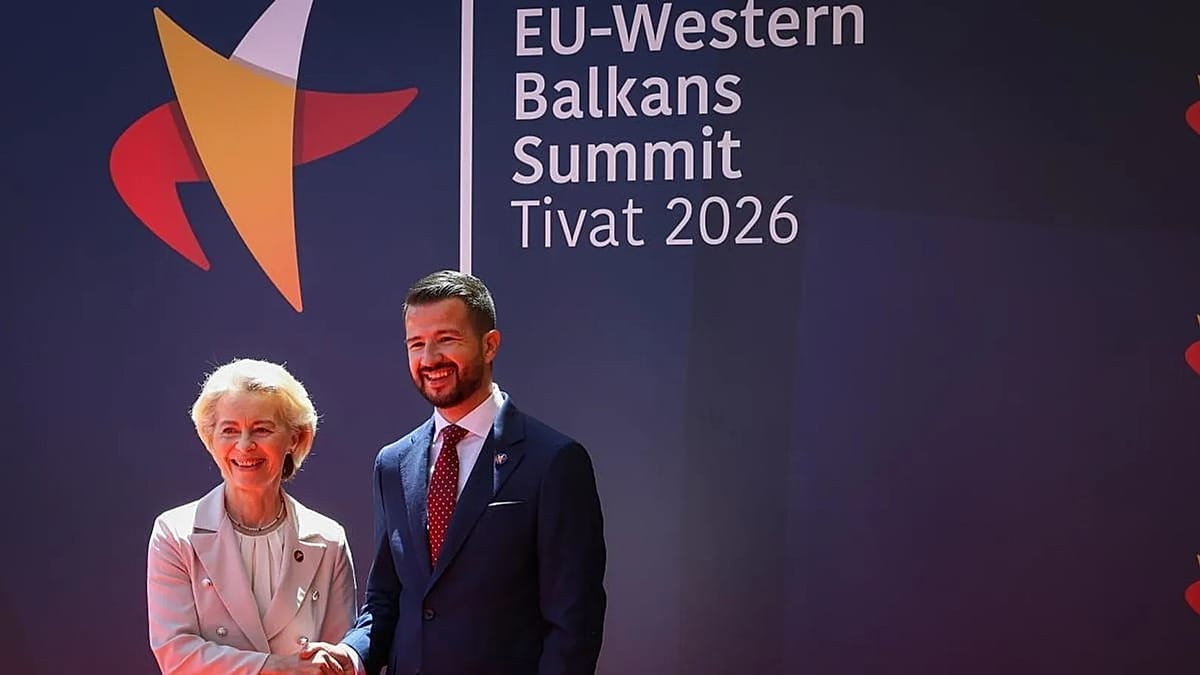
As the EU seeks to deepen ties with candidate countries and expand its influence in the Western Balkans, the bloc still lacks a reliable overview of whether many of the projects it finances there are being delivered on time and within budget, according to the latest audit from the European Court of Auditors (ECA) unveiled on Tuesday, just a few days after the EU-Western Balkans summit in Montenegro.
The ECA findings date back to the period between 2015 and mid-2025, when the European Commission allocated €527 million to regional transport infrastructure through the Western Balkans funds. EU auditors audited 12 specific road, rail and waterway projects totalling €341.6 million across Bosnia and Herzegovina, Kosovo, North Macedonia and Serbia.
The findings raise uncomfortable questions about the oversight of one of the EU’s most strategically important investment programmes in a region seen as central to the bloc’s enlargement ambitions.
“In terms of EU enlargement, well-developed infrastructure is a step towards meeting the bloc’s accession criteria. The Western Balkans’ transport projects are progressing too slowly to connect the region to the EU this decade,” said Laima Andrikienė, the ECA member in charge of the report.
“The Commission should improve the selection, monitoring and sustainability of projects and enhance the visibility of EU-funded transport projects in the region.”
The EU funding programs are designed to help candidate and potential candidate countries, primarily in the Western Balkans, to implement political, institutional and economic reforms to align with EU standards.
Reckless disbursement of EU funds
The Commission frequently disbursed lump-sum EU grants that far exceeded the actual progress the projects had made, the EU auditors revealed, weakening its ability to use funding as leverage to ensure compliance and keep construction on track.
Moreover, in a critical assessment of the bloc’s financing programme to the Western Balkans, EU auditors found that the Commission has increasingly relied on international lenders to oversee roads, railways and waterways stretching across the four Balkan countries.
While the projects generally address the region’s key infrastructure needs, EU auditors concluded that the Commission’s oversight of their implementation is often limited. To reinforce monitoring, they recommended that the EU executive require financial institutions to provide evidence of how they assess and mitigate implementation risks.
“The Commission should ensure that the lead financial institutions provide evidence of insufficient project developer capacity, conflict of interest or lack of beneficiary and national ownership,” reads the report.
The audit paints a picture of a system in which Brussels provides the bulk of the funding but depends heavily on international financial institutions to monitor construction, supervise procurement and report problems.
Auditors found that project information was frequently out of date, delays were often inadequately reported and monitoring systems failed to provide a complete picture of progress on the ground.
Every project examined by EU auditors experienced delays, with some running more than two years behind schedule. In several cases, designs had to be revised after works had already begun, while permitting problems and administrative bottlenecks further slowed delivery.
“Given the increased contributions to the Western Balkans Investment Framework, we expect our findings to improve the way the Commission selects, monitors and reports on EU-funded WBIF projects,” reads the ECA audit.
Progress at stake
Despite billions of euros committed to improving connectivity between the Western Balkans and the EU, progress remains uneven, the EU auditors warn. Of the 43 transport investment grants approved in the four audited countries, only six had been completed by mid-2025.
Several rail projects remain unfinished, while some completed infrastructure risks remaining underused because connecting sections funded by other donors have yet to be built.
The auditors acknowledged that EU funding has supported projects that would strengthen regional links and advance integration with European transport corridors.
However, they raised concerns about whether the Commission has sufficient tools to determine in real time whether those ambitions are being translated into results.
The report suggests that the challenge is no longer simply financing infrastructure, but ensuring that Brussels can effectively track what happens after the money leaves its accounts.
The ECA cannot impose fines, force institutions to change policies or prosecute individuals. Its primary role is to flag any irregularities or suspected fraud in the spending of EU funding.