

France and Italy have expressed scepticism about a plan to ban current and former Russian combatants from entering the bloc, citing legal and technical concerns.
ADVERTISEMENT


ADVERTISEMENT
The two countries currently receive the highest number of visa applications from Russia of any EU member states, and according to three diplomatic sources, they are wary of the proposal to bar Russians who served in the military from entering the EU.
The ban was introduced as part of the 21st sanctions package targeting Russia over its war of aggression against Ukraine. Officials cited security as the main rationale, drawing a comparison with the EU’s earlier ban on former Islamic State fighters.
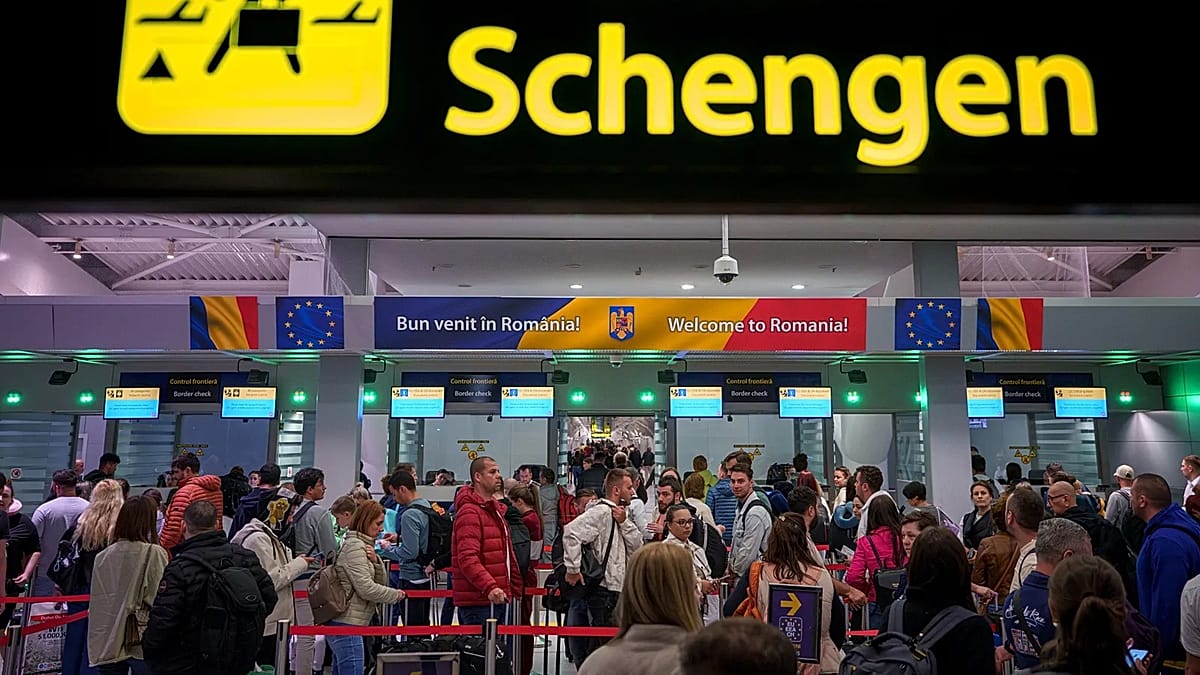
Earlier this month, a coalition of 11 European countries from northern and eastern Europe called for tougher visa rules for Russian tourists, as arrivals from Russia have risen steadily since the war began in 2022.
In 2025, France topped the ranking with just under 180,000 arrivals, followed by Italy with around 160,000 and Spain 100,000. These countries argue that Russians travelling to Europe are exposed to the European way of life and the freedoms that come with it.
In practice, the share of tourist arrivals affected by sanctions on former combatants is likely to be negligible, given the high casualty rate on the frontline and the fact that foot soldiers rarely come from a social class that can afford a trip to Europe.
Still, the practical implications could be significant for countries that process hundreds of thousands of applications a year, prompting Paris and Rome to question how the measure would actually be implemented.
The two governments have also argued that the legal basis for the issue lies in visa policy – a competence shared between the EU and member states – rather than in a sanctions package.
According to an option paper on “possible ways to address the issue of Russian combatants,” the European Commission is working on several technical solutions currently under discussion alongside the rest of the sanctions package, with member states aiming for adoption before mid-July to avoid the sanctions’ automatic revision.
In the short term, the Commission is considering updating its guidance on the issuance of visas to Russian nationals, specifically on how to assess and refuse applications from Russian combatants, ensuring that the burden of proof is on the applicant.
This measure would be accompanied by an update of the documentation required for Russian visa applicants, making it mandatory for military-aged man to provide their military booklet.
In the medium- to long-term, the Commission is suggesting revising the EU Visa Code to introduce a new category of targeted restrictive visa measures within the current visa policy framework.
The intent is to include “binding measures that are in the interest of the EU, allowing for the suspension, rejection or restriction of visa applications submitted by nationals of third countries that pose tangible risks to the Union’s security, public policy, or international relations”, the option paper reads.
According to the Commission, this measure, which would be legally binding for all member states, would reduce the administrative burden by creating a standardised way to handle applications from individuals with heightened security concerns, including individuals linked to military aggression or hostile state activities.
“The preparatory work on the revision of the Visa Code has already started, including dedicated discussions with Member States, with the intention to present the proposal early 2027,” the paper concludes.