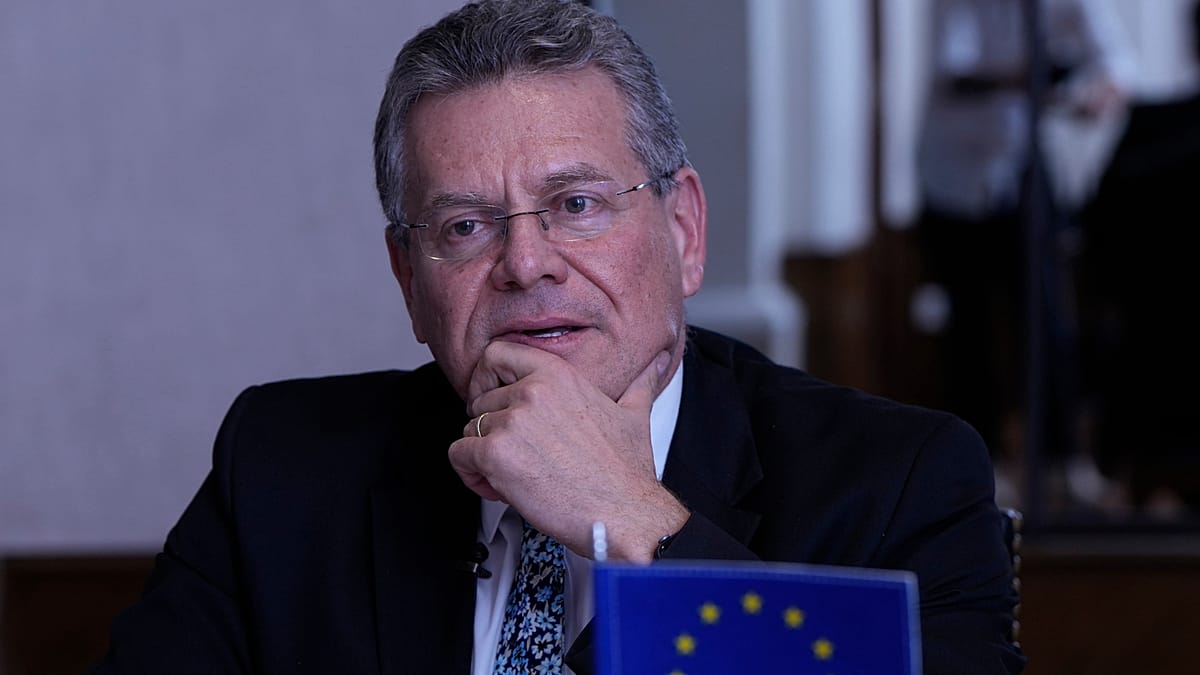

Touchdown in Beijing: EU Trade Chief Maroš Šefčovič landed in China yesterday with a crucial task in hand: secure commitments from the Chinese to rebalance the trading relationship. The stakes couldn’t be higher, my colleague Peggy Corlin writes in this morning. The EU faces a record €1 billion-a-day trade deficit with Beijing, with low-cost Chinese imports threatening entire sectors of EU industry.
ADVERTISEMENT


ADVERTISEMENT
Curbing Chinese imports: Brussels is pushing for product quotas that could curb Chinese imports into the EU, but Beijing has already rejected so-called “voluntary export restrictions” on EVs. The European Commission must also find a way to rebalance trade while securing EU businesses’ access to rare earth imports.
Beijing holds a monopoly on the production and processing of rare earths, essential for green tech, defence and the car industry. This gives China leverage in the negotiations, Peggy explains. Beijing is not afraid of using export controls to show its dominance, as it did during a trade war with the US in 2025.
Pressure on: Šefčovič is under pressure as he must bring back concrete results from the talks with China to EU leaders, who gather in Brussels next week. Each EU country now records a trade deficit with China. Peggy has more onwhat’s at stake.
UK’s Made in Europe plea: Before heading off for China, Šefčovič held talks with the UK Minister for European Relations, Hamish Falconer, in Strasbourg yesterday. Speaking to Euronews, Falconer warned Europe risks weakening its industries if the UK is shut off from European supply chains as a result of the EU’s “Made in Europe” policy.
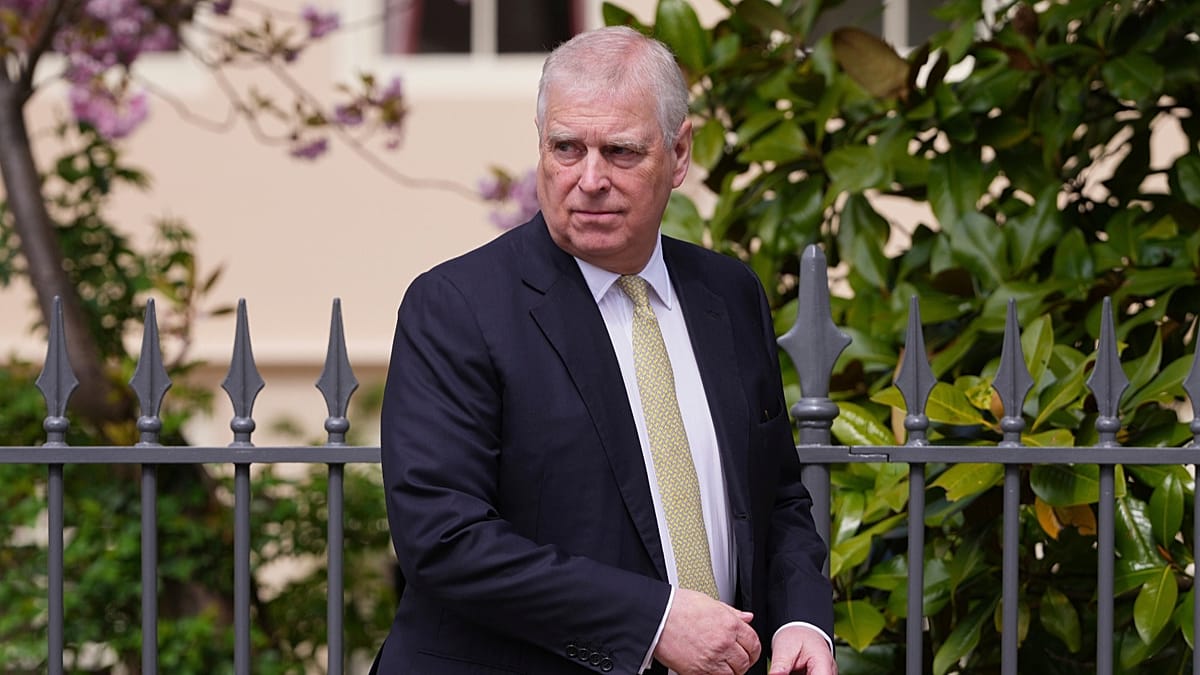
Let us in: The EU wants to shield its domestic industries from unfair foreign competition by introducing a preference for European manufacturers in public contracts. But Prime Minister Andy Burnham – who has opened the door to the UK’s re-entry into the EU – is pushing hard for UK industries to be considered European as part of the scheme.
“I think it is vital that we don’t do things to make European industry weaker,” Falconer said. “It would not be in either of our interests to see new barriers arising in our economic relations.”Watch.
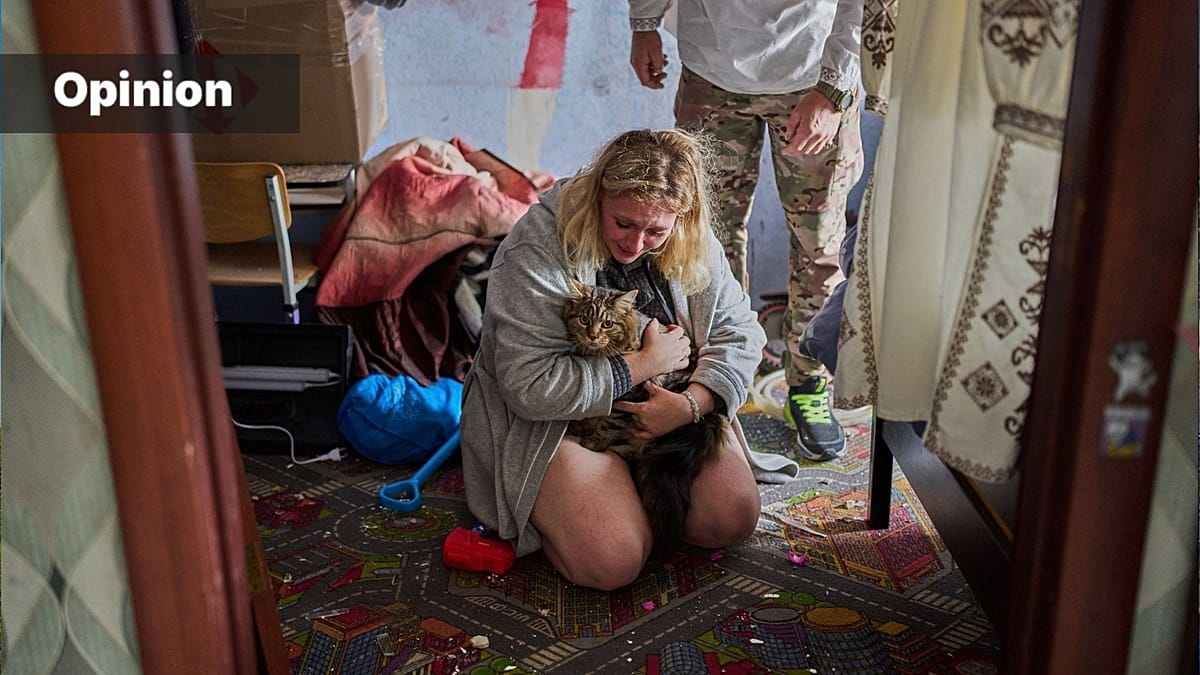
Maricarmen, martyr?: Meanwhile in Spain, Maricarmen Abascal, the 87-year-old whose eviction from her home triggered major protests and prompted Prime Minister Pedro Sánchez to call a snap election, died yesterday in hospital.
The news has rattled Spain to the core. A sense of anger and indignation could be felt among the demonstrators camping on Madrid’s central Puerta del Sol, where candles were lit in her memory, my colleagues in Madrid report.
Maricarmen, who used a wheelchair, was carried on a stretcher as she was evicted from her home of seven decades in late September. The real estate company that had evicted her in the hopes of renting the property at a much higher price eventually caved in under immense public pressure and agreed to let her return to the apartment once released from hospital.
“Although a historic agreement was reached that would have allowed her to return home, this solution came too late,” the Madrid Tenants’ Union said in a statement on Wednesday. “It was an entirely avoidable situation following a harrowing ordeal.”
Political earthquake: The news will also have ripple effects in Spain’s politics, and could significantly change the stakes ahead of the November 29 ballot. Sánchez has taken a major political gamble in calling the elections while on the back foot, hoping to put the housing crisis back at the centre of the debate in order to mobilise left-wing voters and pave the way for his re-election. Morefrom our Madrid bureau.
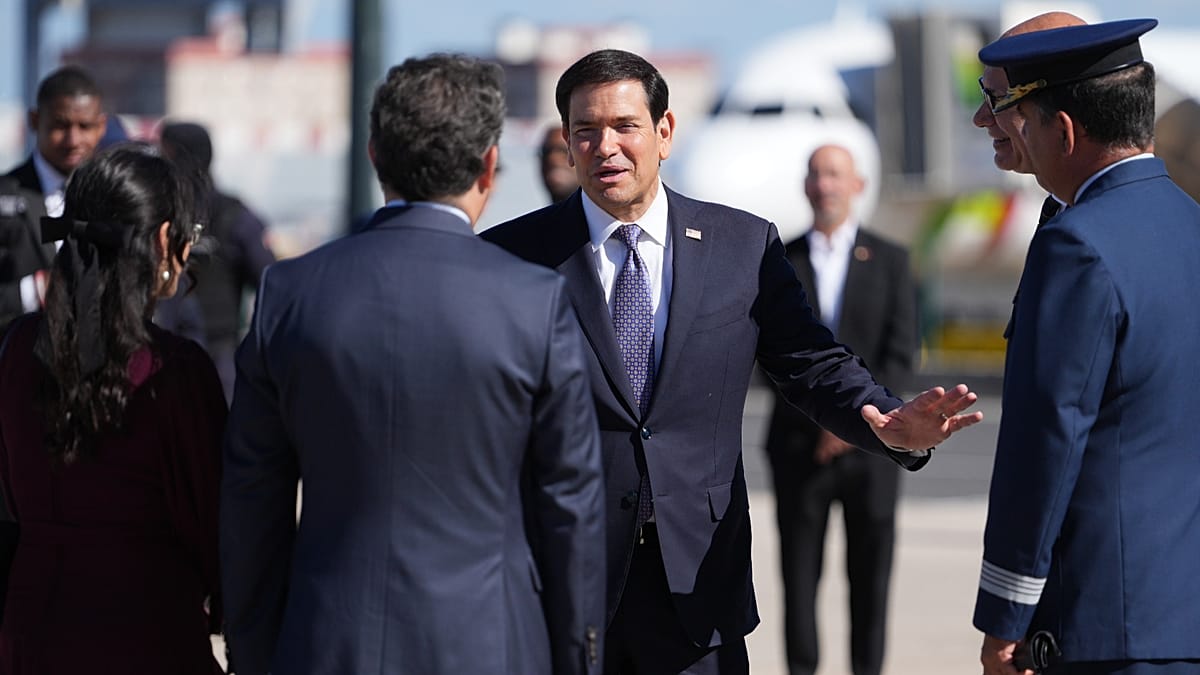
The Rubio crossroad: From the base of the Acropolis in Athens — a city famed for birthing democracy, drama and the Olympics — US Secretary of State Marco Rubio has warned European and Western allies of the need to return to their civilisational roots.
“It has become fashionable today to believe that enlightened foreign policy means prioritising the ‘global community’ over one’s own people,” Rubio said, speaking against the backdrop of the Acropolis. “And I think here, too, we have much to learn from the men of ancient Greece because they knew that there was nothing selfish or wrong about fighting to defend its interests above all else.”
Not a totally warm welcome: Roughly 1,500 protesters in the Greek capital demonstrated against Rubio’s Greek sojourn, which is the second of a three-leg tour starting in Iceland and ending in Portugal. The visit also came hot on the heels of a political controversy, with allegations of misconduct levelled at the US Ambassador to Greece, Kimberly Guilfoyle.
Senior US lawmakers allege that the diplomat — also Donald Trump Jr.’s former fiancée — suggested Washington could bring down foreign governments, allegedly stating: “We can do that to any country we want. We can do that here.”
Round the bloc tour: Meanwhile, the EU’s justice chief Michael McGrath is today expected to hold talks with Prime Minister Edi Rama during a visit to Albania, a leading EU aspirant country. His message: “There is still important work to do.”
“The momentum must be maintained through further reforms and effective implementation across all open chapters,” McGrath said in a written statement provided to Euronews, adding that he will “stress the importance of safeguarding judicial independence and anti-corruption structures, and ensuring the effective implementation of rule-of-law reforms”.
“Albania needs strong checks and balances,” he said. Tirana is considered a frontrunner in the queue of nations bidding to join the EU, but has often faced hurdles when it comes to implementing rule of law reforms, one of the key requisites for EU membership.
The EU is now proposing new institutional “safeguards” to prevent any new members from backsliding on the bloc’s core values, which could strip new member states of voting rights for up to 15 years after they join. Luca Bertuzzi explainswhy candidate countries fear the move could create second-class EU members.
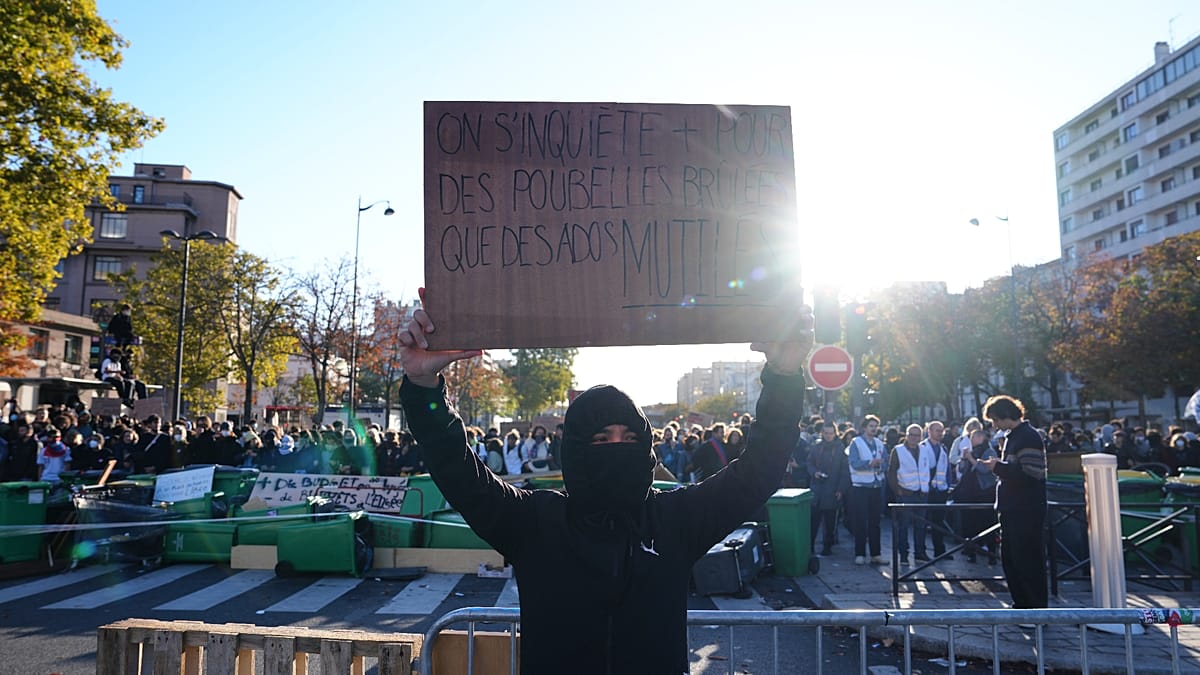
French prime minister says government not indifferent to students’ concerns in TV address
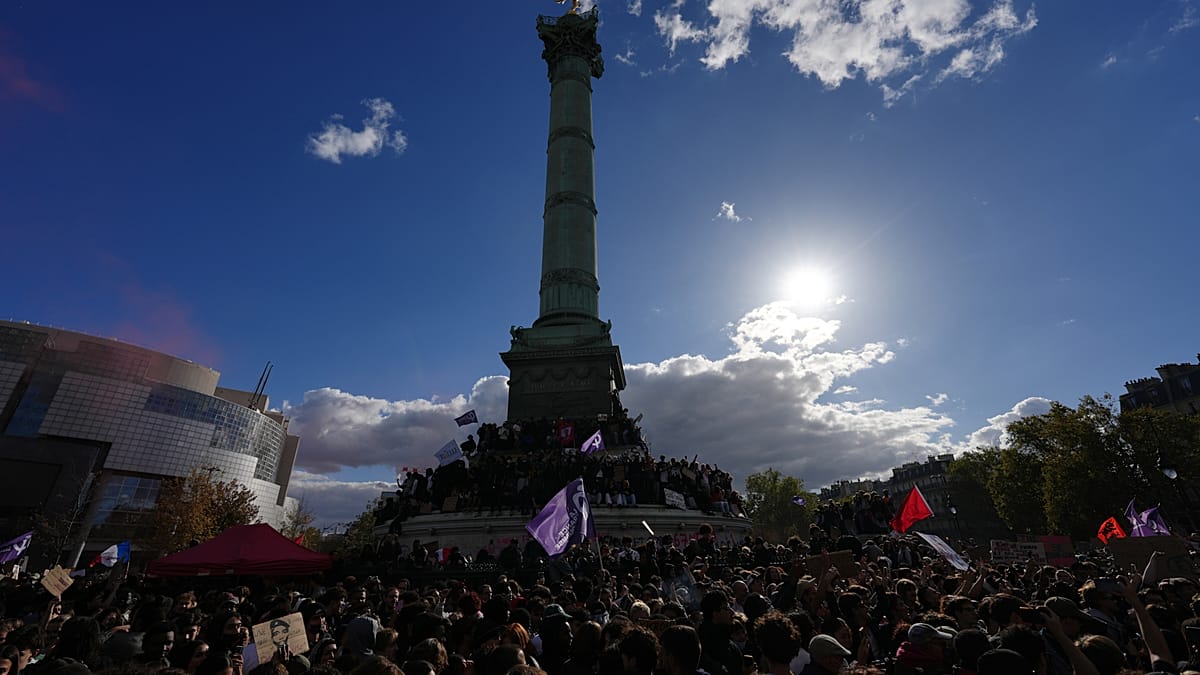
In a televised address from his official residence, France’s prime minister Sébastien Lecornu has responded to escalating student protests, acknowledging young people’s anger “doesn’t come from nowhere” and vowing a plan to tackle the crisis.
France continues to be consumed by protesting students prompted by anger over small classroom sizes, absent teachers and less than ideal education conditions.
Hundreds of thousands have rallied for more funding and better educational opportunities, with students storming the streets while being battered by tear gas and water cannons. Roughly 56,000 stormed the French capital alone.
Local authorities have also been accused of using disproportionate force against those protesting. French Interior Minister Laurent Nuñez has responded, saying that the police response had been proportionate in “almost all cases” and that the protests had at times turned into riots, requiring police intervention.
More from Jean-Philippe Liabot.
More from our newsrooms
Exclusive: The Left group wants to halve MEP salaries. The Left group in the European Parliament is set to demand that MEP salaries are halved, arguing that lawmakers taking home tens of thousands of euros a month are increasingly disconnected from ordinary voters. The proposal would slash MEPs’ net monthly salary from around €8,800 to almost €4,400. Vincenzo Genovese has the exclusive story.
Italians and Czechs push Brussels to ease green rules as energy crisis hits industry Italy and the Czech Republic have warned Brussels that the European Union’s industrial base risks lasting damage unless the bloc eases the burden of its green rules, according to a letter seen by Euronews. Marta Pacheco has the scoop.
EU agrees to sanction over 1,600 people and entities linked to Russia’s war. The EU will soon add over 1,600 names, including 77 lawmakers who stood for election in the occupied territories of Ukraine, to its Russia sanctions. The decision comes amid an unsettling rise in hybrid attacks. More details from Jorge Liboreiro.
Interviews with Hamish Falconer, UK Minister for EU relations, and MEP Marc Botenga.
We’re also keeping an eye on
- Eurozone finance ministers gather for talks in Luxembourg. They are joined by the European Commissioners for the Economy, Valdis Dombrovsis, and for Financial Services, Maria Luís Albuquerque.
- The EU’s foreign policy chief Kaja Kallas continues her visit to Lebanon.
- European Commissioner for Justice Michael McGrath meets Albanian Prime Minister Edi Rama in Tirana.
That’s it for today. Vincenzo Genovese, Jorge Liboreiro and Peggy Corlin contributed to this newsletter.