


Published on
EU member states agreed to press ahead with an EU-wide visa ban for former and current members of the Russian army, alongside tougher visa restrictions for Russian tourists, EU foreign policy chief Kaja Kallas said on Wednesday.
ADVERTISEMENT


ADVERTISEMENT
“There was broad support to move with an EU visa entry ban for Russian ex-combatants and tougher visa restrictions for Russian tourists,” Kallas said at a press conference following an informal meeting of Foreign Affairs Ministers in Wicklow, Ireland.
In the 21st sanctions package adopted in July, the European Commission had originally proposed barring EU members from issuing visas to anyone involved in Russia’s war of aggression against Ukraine.
During negotiations, the measure was significantly narrowed down after France and Italy objected, arguing it would put a heavy burden on consulates to carry out case-by-case assessments exposed to litigation.
By the time the package was adopted, the ban had been downgraded to a mere legal basis for prohibiting short-stay visas to applicants who have served in the Russian armed forces since the war in Ukraine began.
However, the measure’s entry into force has been deliberately deferred until “the necessary actions allowing for the implementation of those measures have been taken,” the legal text reads.
The European Commission aims to present the implementing measures in October, officials said following the package’s adoption.
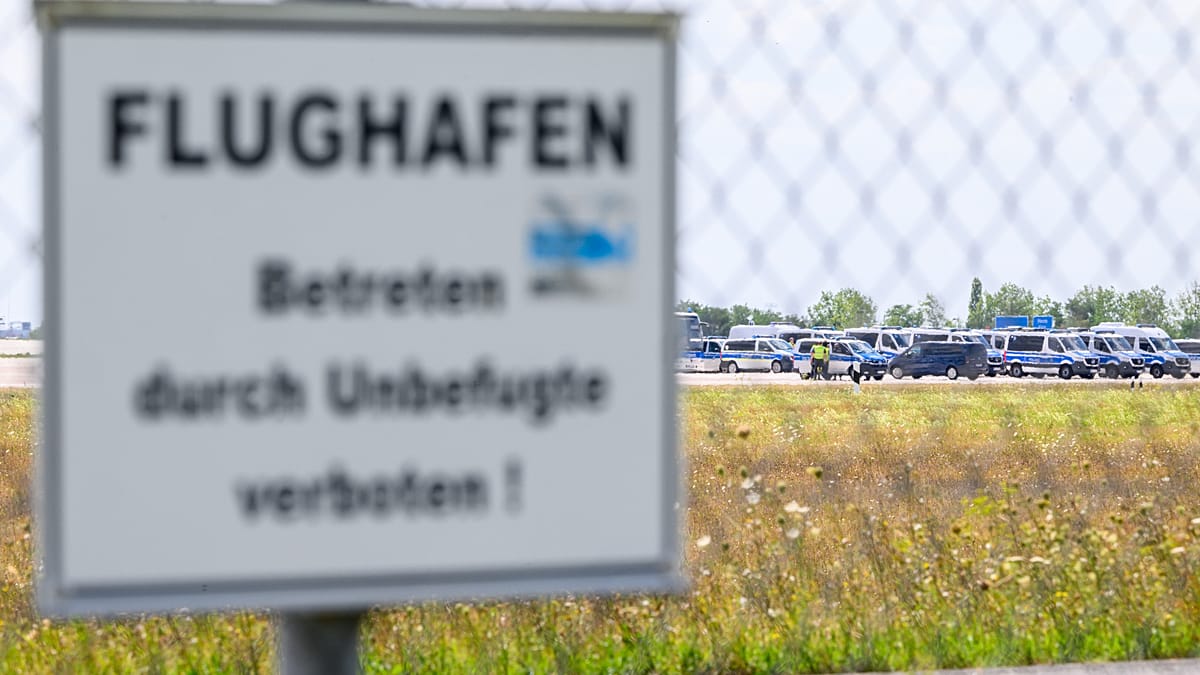
Meanwhile, the attempted drone attack on Leipzig airport in Germany reignited the debate, giving fresh political momentum to the push for a ban. On Tuesday, the German government formally attributed the attempted attack to Moscow.
German media outlets reported that one of the suspects allegedly entered the Schengen area on an Italian visa, despite having a criminal record in the Baltic states.
“It is, of course, up to German authorities to confirm or deny this, but if it is true, it shows very clearly that visas are a tool for these people who mean harm to get into the European Union,” Kallas said, adding that many foreign ministers had raised the issue.
“It’s not okay that the country is bombing Ukraine, killing civilians in July and August, more than ever during this war. And at the same time, Russians are entering and enjoying the hospitality of European countries. It should not work this way,” she continued.
Over the past few months, 11 European countries have ramped up pressure to restrict visas for Russian tourists, despite visa policy being a national competence.
The same countries have pushed for the ban on current and former Russian combatants, citing security risks that now appear borne out by the growing escalation of Russian threats on European territory.
“Many member states have flagged this before, that actually, these kinds of tourist visas are used for the sabotage acts,” Kallas said. “If it is true, I hope that this will also convince certain member states who have been against moving on the visa restrictions, that this is actually our security that is in concern as well as Ukraine’s,” Kallas said.
The Italian government did not reply to Euronews’ request for comment by the time of publication.