


EU member states have spent weeks debating how to respond to a growing drone threat on the bloc’s eastern flank. While there is broad agreement that more coordination is needed, national governments continue to operate in silos.
ADVERTISEMENT


ADVERTISEMENT
An internal document obtained by Euronews compiles member states’ views on the EU’s drone strategy, covering response capacity, resilience, critical infrastructure, cybersecurity, operational cooperation, aviation and defence.
“Delegations broadly recognised the growing cross-sectoral security implications of drones and underlined the need for enhanced preparedness, resilience, detection and operational cooperation,” the document reads.
The document, dated 30 May, is a report of the Cyprus rotating presidency of the Council of the EU, gathering member states’ feedback on the European Commission’s Action Plan on Drone and Counter-Drone Security.
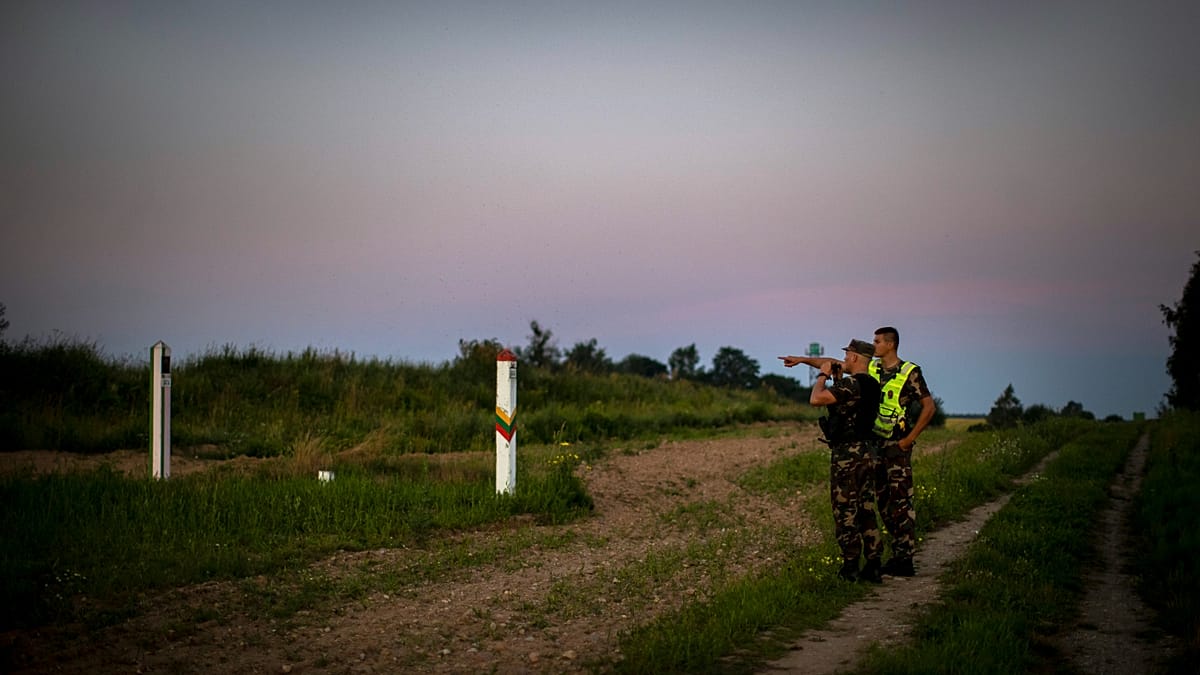
Europe’s Baltic region was rattled by at least six real or suspected drone incursions in May alone, sending a shiver up the spine of the continent’s eastern flank, and through key NATO territory.
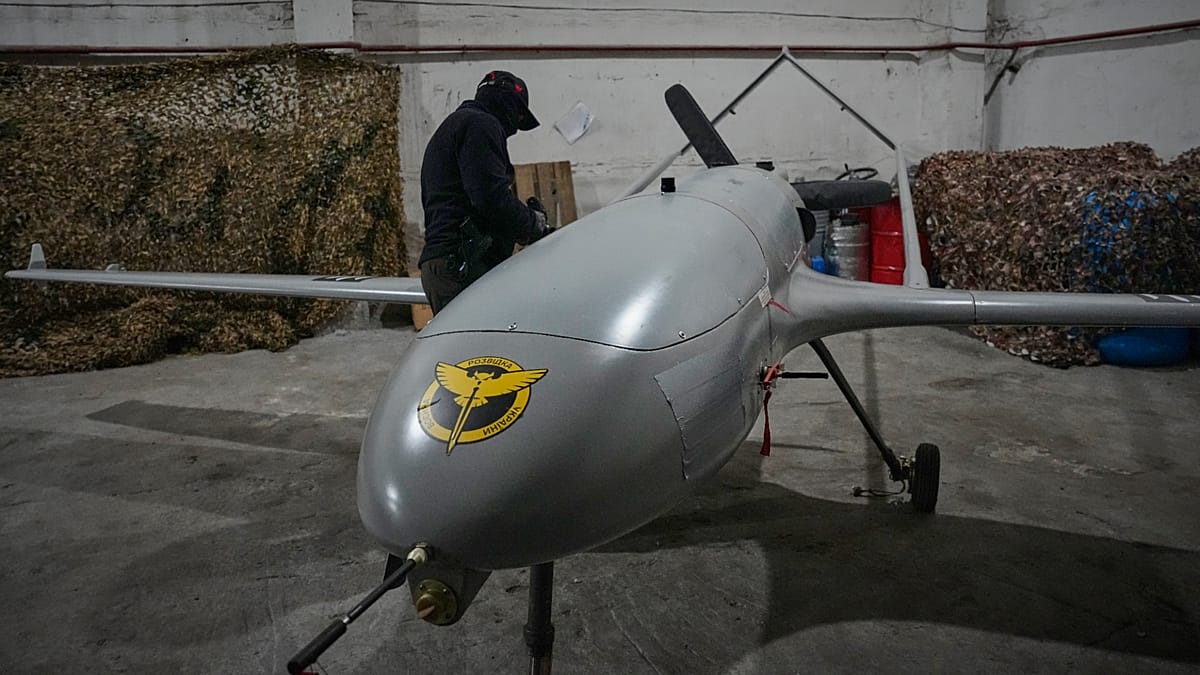
Most of the drones were suspected to be Ukrainian in origin, pushed into European airspace by Russian GPS jamming, also known as “spoofing”.
The delayed response by the Latvian government brought down the previous administration, while an incursion in Lithuania forced the president and prime minister to take shelter underground.
Romanian fighter jets shot down a drone over Estonian territory, and airports in Finland closed for three hours over a suspected unmanned aerial vehicle.
Against that backdrop, European governments have been discussing how to present a coordinated response to a rapidly evolving security challenge.
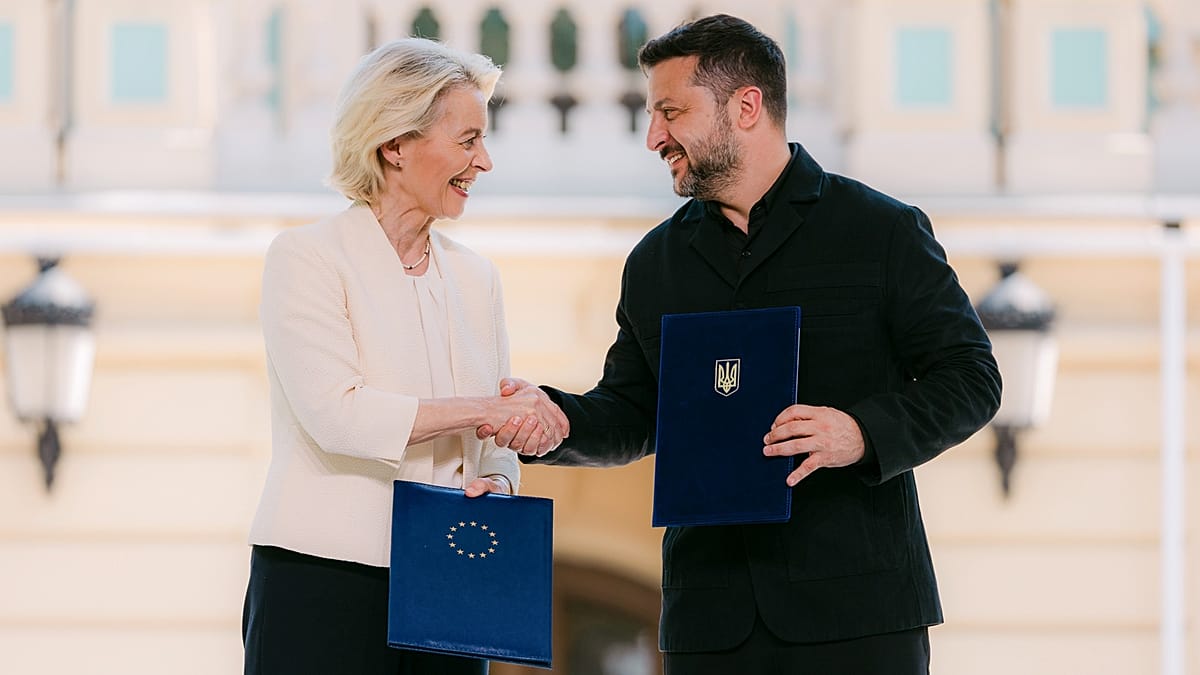
European Commission President Ursula von der Leyen visited Vilnius last week to show solidarity with EU member states affected by the incursions. She announced €12 billion in EU SAFE (Security Action for Europe) defence loans for the Baltic states to bolster land and air defences and address vulnerabilities.
“When Baltic states are being tested, Europe as a whole is being tested,” she said.
Lithuanian President Gitanas Nausėda acknowledged the skies above the Baltic states “are not sufficiently secure”.
Yet the internal document points to a familiar tension in EU defence circles: a growing awareness that information sharing and coordination are critical — but without duplicating existing structures, including NATO, and without encroaching on national competences.
Some EU countries stressed the need to improve information exchange between competent authorities; others insisted such sharing should remain voluntary and that sensitive information be classified.
An example of this occurring in real time is the incursion in Romania on Friday. The country’s ministry of defence acknowledged it could not shoot down the drone with fighter jets due to its proximity to residential dwellings — and they had only four minutes to act before impact.
“The EU level was generally seen as having added value in supporting coordination, facilitating information exchange, promoting interoperability, identifying common standards and supporting voluntary cooperation among member states, without replacing national decision-making structures,” the document states.
One area where the EU appears to be playing a significant role is strengthening the security framework for drone operations, in particular around registration and identification, to distinguish authorised drones from non-cooperative or unidentified ones.
At the same time, European governments highlighted the need to avoid overregulation by balancing security objectives with the competitiveness of the European drone industry.
A recurring priority is the protection of critical infrastructure, alongside the need to build detection and response capacities for public spaces, external borders and the maritime domain.
On detection, EU countries backed multi-sensor systems, artificial intelligence-supported tools and, where appropriate, cellular-based detection.
“Cooperation with Ukraine was widely considered relevant, in particular in view of operational experience and the rapid technological evolution of drone and counter-drone capabilities,” the document says.
Ideas floated included voluntary stress-testing of critical infrastructure against drone intrusion and an annual exercise involving civil and military actors.
The importance of rapid response mechanisms, interoperability and operational preparedness across member states was also underlined.
More broadly, there appears to be a consensus that Brussels needs to reduce the current fragmentation in how drone-related incidents are handled by improving situational awareness and clarifying the division of responsibilities between the actors involved.
The EU and its agencies — including Frontex — are seen as playing a supporting role at most, since “drone and counter-drone security remains primarily a national competence.”