


Published on
The European Commission has presented a legislative package aiming at fighting drug trafficking, a criminal business that is more and more affecting European citizens’ lives in the form of violence, corruption, environmental pollution, and the exploitation of the legal economy.
Illegal drug use is increasing dramatically in the EU, with the situation reaching “a crisis point”, EU Home Affairs Commissioner Magnus Brunner declared on Wednesday. Some 7,500 people die in Europe a year because of drug use, he said.
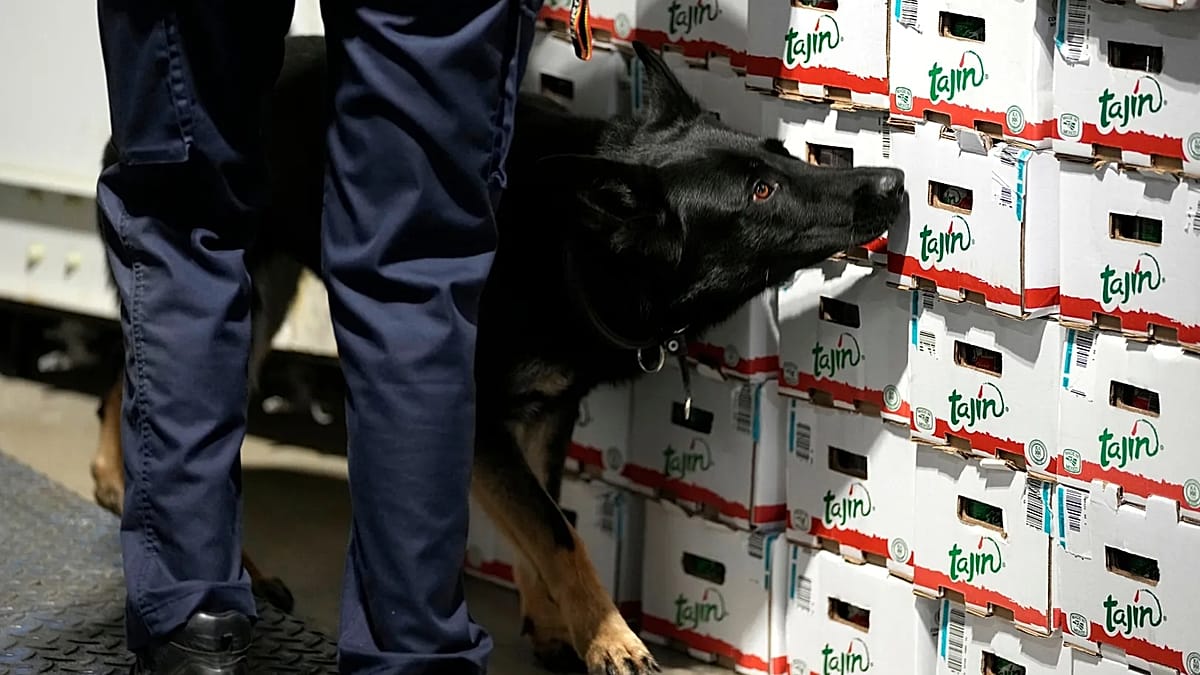
419 tonnes of cocaine have been seized across Europe in 2023, and 500 synthetic drug labs are being dismantled every year, with over half of the most threatening criminal networks involved in drug trafficking.
To counter these networks, the Commission has put forward an EU Drugs Strategy and an Action Plan against drug trafficking with 19 key operational measures.
Among the priorities are strengthening international cooperation with third countries and stepping up cooperation of law enforcement, judiciary, and customs authorities among the EU member states.
Brunner also stressed the importance of adapting countermeasures to keep up wth the evolving routes and methods used by criminal networks.
“Drug traffickers use the latest technologies, and that’s why we also have to put a focus on innovation to beat them”, he said, announcing “an innovation campus for testing cutting-edge technologies to disrupt drug trafficking” to be launched in 2026.
He mentioned aerial assets, high-resolution satellite imagery, and drones, which will be provided by the European border and coast guard agency, Frontex.
To prevent crime and reduce drug-related violence amongst young people, the Commission has also proposed an EU-wide platform connecting experts across Europe to tackle online recruitment, while a new EU-wide substance database will help national authorities to better identify emerging drugs.
The role of Europol will be instrumental to strengthen the intelligence service sharing and coordinate joint investigations, Commissioner Brunner said.
“We are very much aligned [with EU member states], and we are trying to help them to get the job done”.