
Published on
The European Union is setting up a new high-level group of political and military leaders from member countries, the UK and Ukraine to work out how to boost Europe’s defence capabilities as threats from Russia escalate.
ADVERTISEMENT


ADVERTISEMENT
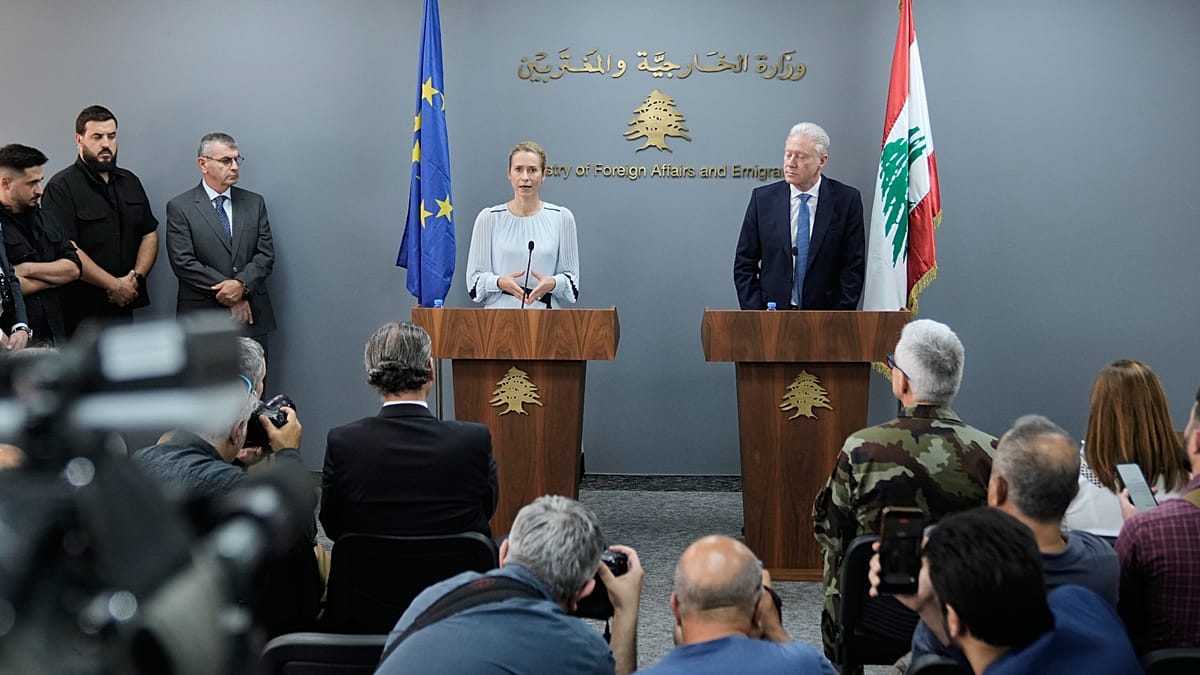
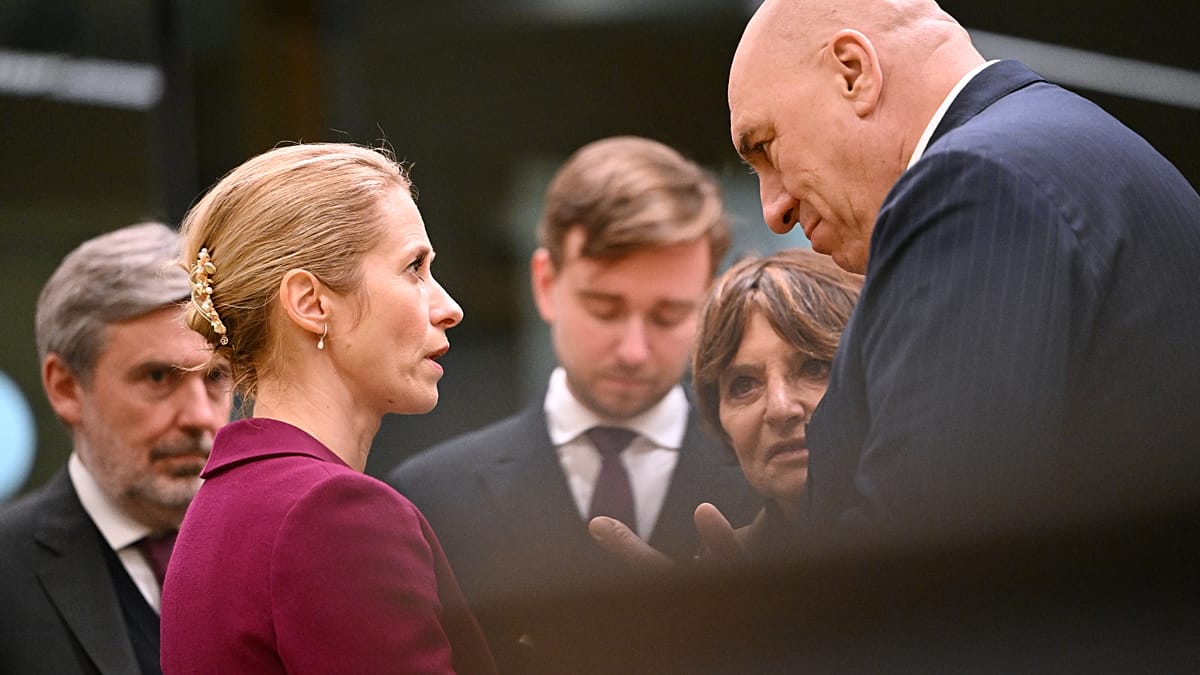
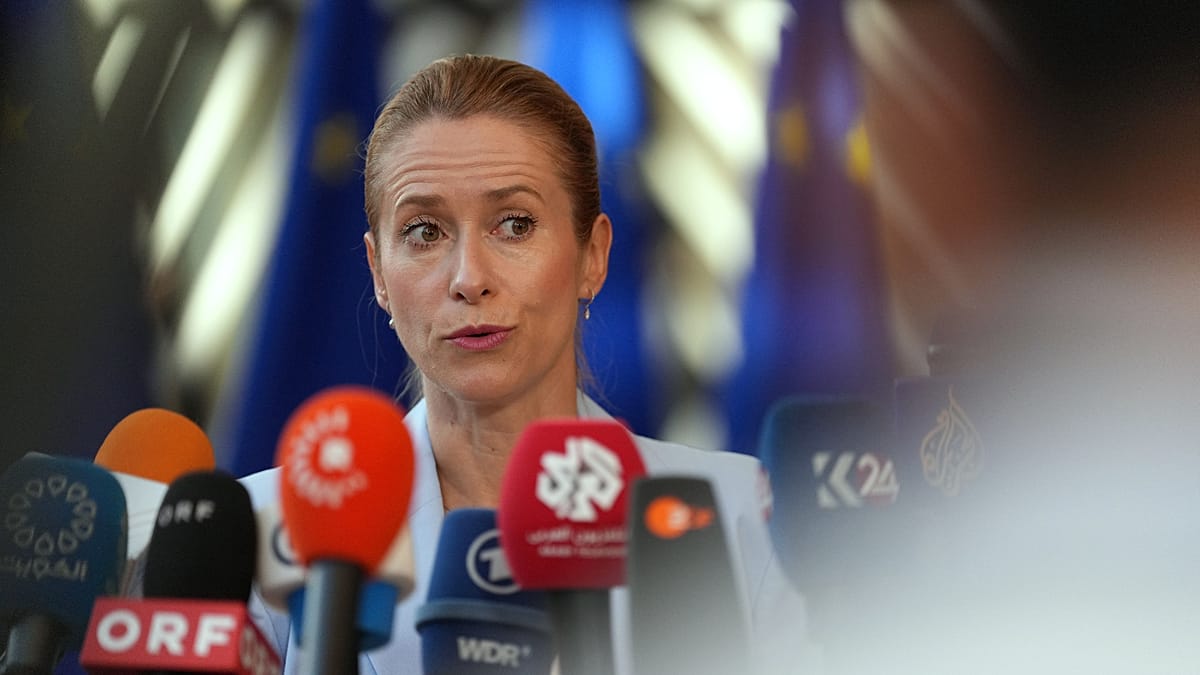
Kaja Kallas, the EU High Representative for Foreign Affairs and Security Policy, announced the initiative at an informal meeting of defence ministers in Ireland on Tuesday, saying it would help design a new approach to European defence.
“The aim is to have some of the brightest minds on security and defence come together and really provide out-of-the-box solutions on how we can be faster in fulfilling these gaps and how we can be more effective, especially now that the security situation in Europe is so much more real,” Kallas told reporters at the press conference.
The announcement comes as Europe faces unprecedented security challenges, with the US administration reducing its military presence on the continent and Russia’s escalation in Ukraine fuelling growing anxiety about spillover into EU territory.
“Europe is investing more in defence than ever, but spending alone is not automatically a guarantee of success. We have not been fast enough to cover the gaps in Europe’s conventional power within NATO that we have identified,” Kallas said.
She stressed that NATO remains the cornerstone of European security, and that the exercise forms part of a broader effort by Europe to take greater responsibility for its own defence by strategically deciding which capabilities to invest in.
Drawing on Ukraine’s frontline experience and battlefield innovation is seen as particularly relevant to this effort. The new group will produce a report with concrete recommendations for Europe’s defence.
The initiative will be formally launched at a conference organised by the European External Action Service (EEAS), titled “European Defence: Moving Further, Faster,” on 7 September, when the names of participants and further details will be announced.
“The idea is to give ideas to member states but also EU institutions of what we should do better and faster — to really have tangible results so that we cover the capability gaps we have identified, considering the geopolitical situation,” Kallas said.