




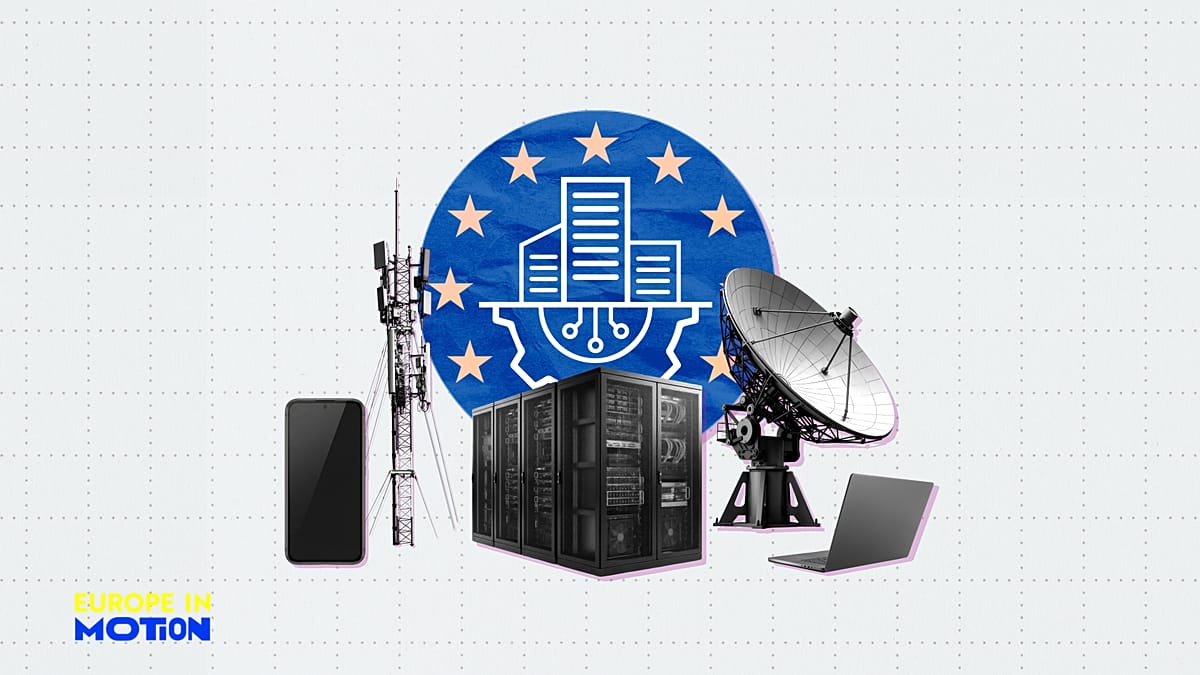
Around 80% of Europe’s digital infrastructure and technology comes from outside the EU.
ADVERTISEMENT


ADVERTISEMENT
The digital market is dominated by US giants such as Google, Microsoft and Apple, and Chinese conglomerates such as Alibaba and TikTok-owner ByteDance.
Yet most EU citizens want European-controlled digital infrastructure, with respondents in Sweden (94%), Finland (93%), and Denmark (92%) believing that the EU should prioritise these investments, according to the latest Eurobarometer report.
At the same time, EU citizens overwhelmingly want to see a reduction in dependence on non-EU technologies from countries such as the US and China.
This view is most prevalent among respondents in Sweden (88%) and in Germany, Denmark, Finland, and Luxembourg (all 87%).
One of the reasons why the sentiment is so strong in these countries is related to “how the sense of urgency is reflected across society and the public discourse”, senior researcher at Sweden’s research institute RISE and adjunct assistant professor at Lund University, Johan Linåker,told Europe in Motion.
“In Denmark, for example, the US threats against Greenland have sparked reactions and engagement through digital sovereignty efforts such as the public campaign ‘Danmark Skifter’,” Linåker added.
Danmark Skifter was a campaign that ran in the first three months of 2026, aimed at turning off screens at certain times or switching to alternative, less addictive platforms.
The Danish government has also allocated around €6.96 million (80 million kroner) between 2026 and 2029 to go towards ensuring that Denmark reduces its dependence on large technology companies.
Are Europeans willing to ditch their foreign tech?
However, when asked about their willingness to switch to an EU-based digital service provider, even if it meant higher costs, views vary widely across member states.
Danish (76%), Swedish, and Croatian (both 73%) respondents are the most willing to make the move, while Estonians (35%), Bulgarians and Czechs (both 45%) recorded the lowest levels of agreement.
“Digital tools and infrastructure in some countries are viewed as a commodity rather than a critical part of society’s infrastructure, and priorities lie somewhere else — a pattern among some eastern European countries,” said Linåker.
In addition, men are more likely than women to agree to the switch, and willingness declines sharply with age, with younger respondents being the most favourable.
Greater security and reliability are the main factors that would encourage EU citizens to change over, especially for Greeks (68%), Finns (67%), and Swedes (64%).
This is closely followed by better protection of personal data, with the highest shares seen in Austria (57%), and the Netherlands, Ireland and Portugal (all 54%).
What is the EU doing?
Last week, the Trump administration decided to cut off foreign access to Anthropic’s most advanced AI models, including the company’s own foreign employees.
This move confirmed Europe’s kill-switch fears and provided yet another boost for its tech sovereignty agenda.
Earlier this month, the European Commission introduced its tech sovereignty package to boost the bloc’s domestic tech sector, with a heavy focus on cloud infrastructure, AI services, open source and chips.
The draft law introduces four initiatives across each stage of the value chain, from chips to infrastructure to software, cloud, and AI.
The highest tier, covering sectors such as defence and healthcare, would effectively bar non-European companies from winning public contracts. The aim is to prevent a so-called “kill switch” scenario, the risk that a foreign government might simply cut off access to hospitals or fighter jets.
“In general, European countries, or any country for that matter, need to ensure their sovereignty and resilience of their digital institutions and sphere, just as the physical,” said Linåker.
“Essentially, this does not imply switching all third-country solutions. Rather, it is about identifying and assessing the risks that new and existing dependencies come with, and growing the capabilities needed to manage them,” he added.