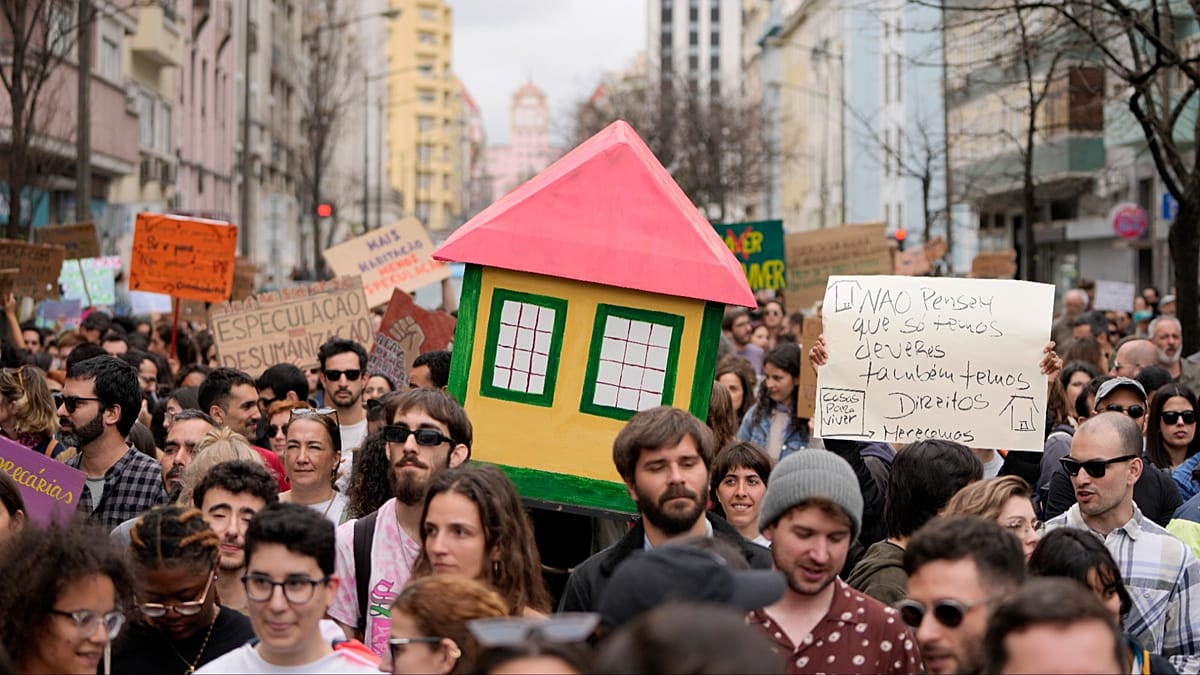



Millions across Europe can no longer afford safe, stable homes. The housing crisis is now front and center. It is changing lives, pushing back important milestones, and putting a strain on public budgets. The burden falls most heavily on those with the least resources.
ADVERTISEMENT


ADVERTISEMENT
Who’s bearing the cost?
People between 18 and 34 are struggling the most. Over a quarter spend more than 40 percent of their disposable income on housing, a level considered severe overburden by economists. Nearly one in four live in overcrowded conditions, and they experience housing stress at two to three times the rate of those over 65.
Young people are delaying independence, family formation, and financial stability. Mental health is also taking a hit.
European Commissioner for Housing Dan Jørgensen emphasises the significant implications for individuals and European democracy.
“A roof over your head gives a base in your life and if you don’t have it, a lot of other things will not be possible. It’s a problem for the individuals that are hurt by the crisis, but it’s also a problem for our societies. It hurts our economies. It’s not good for the labour market, it is not good for mobility, it is not good for the education of our people”, he said during an interview with SolidRock.tv and Euronews’ Andreas Rogal.
He goes further, warning that inaction carries a political cost: “If we don’t, as policymakers, take this seriously, then there’s a risk that populism might rise in Europe even more than it’s already doing. Populists will exploit a social crisis like this.”
In Greece, 30 percent of young households spend more than 40 percent of their income on housing, the highest rate in the EU. Denmark and Luxembourg report similarly high figures. Middle-income young adults are also affected, as homeownership rates for the 45-54 age group have declined sharply across Europe.
Wages vs Rents: a widening gap
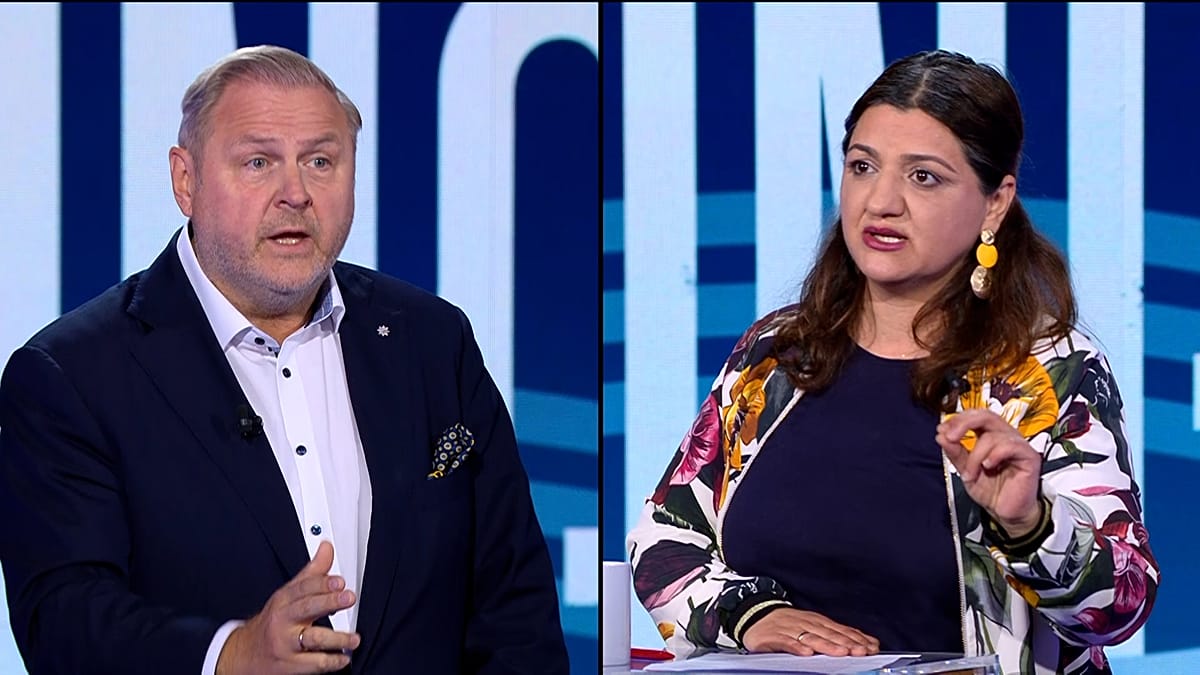
Data indicate a concerning trend. Housing costs have grown much faster than wages across Europe, especially since the pandemic. MEP Borja Giménez Larraz, who leads the European Parliament’s Special Committee on the Housing Crisis, explains just how big the problem is.
“During the last 15 years, the prices of houses have increased 60 percent and for rents 30 percent. We need to build 10 million houses to meet current demand. And what we are observing is that the number of building permits has decreased by 20 percent”, told Euronews MEP Giménez Larraz.
Private renters are feeling this gap the most. About 20 percent spend too much of their income on housing, while only 5 percent of people with mortgages do. For low-income families, about one in three spend over 40 percent of what they have on a place to live, leaving little for other needs. Right now, the EU is short about 2.25 million homes, and new construction is not keeping up.
MEP Giménez Larraz says part of the problem is that the homes we have are not going to the people who need them most. Essential workers are being left behind.
“There are today so many policemen, firefighters, and teachers that cannot afford the rent to live in the place where they work. So maybe we have to put a solution also for those people”, he told Euronews.
When families spend so much on housing, they have less to spend elsewhere. People are less likely to move for better jobs, and the economy slows down. Each year, the gap between those who own property and those who rent gets bigger.
Not everyone suffers equally
The crisis hits the most vulnerable groups hardest. Non-EU citizens are more than twice as likely as locals to spend too much on housing, and over a third live in crowded homes. Ethnic minorities and people with disabilities are more likely to live in poor conditions. Single parents also face some of the highest housing costs in the EU.
MEP Irene Tinagli, Chair of the Special Committee, argues the crisis is not an accident; it is the result of decades of treating housing as a financial asset rather than a social one.
“If the objective is to guarantee access to decent and affordable housing for everybody, then that objective has failed. We have stopped thinking and acting on housing with public policies”, she said.
She is equally direct about where the blame lies: “Many people have become convinced that if you can’t afford it, it’s your fault. But when salaries go up only the minimum needed to catch up with inflation, and the real estate market has pushed prices up 60 percent in 10 years, that is not your fault. That is a lack of public policy.”
Middle-income families increasingly face the “Generation Rent” dilemma. They earn too much for social housing but cannot afford homeownership. Public budgets absorb rising costs through housing allowances, which primarily benefit private landlords. So, taxpayers bear additional costs without any structural improvement in affordability.
What is being done?
Governments in Europe are trying to respond, but progress is uneven. The EU’s 2025 Affordable Housing Action Plan says there is a €275 billion investment gap each year. The plan calls for more public and private money, changes to planning rules, and better tools for local authorities to manage short-term rentals.
Commissioner Jørgensen wants countries to tackle empty and speculative homes. He points to Denmark, where homes must be lived in, as a possible model. The main challenge now is putting these ideas into practice. With a new EU budget coming up, national governments need to make sure the plans from Brussels actually lead to more homes.