


Published on •Updated
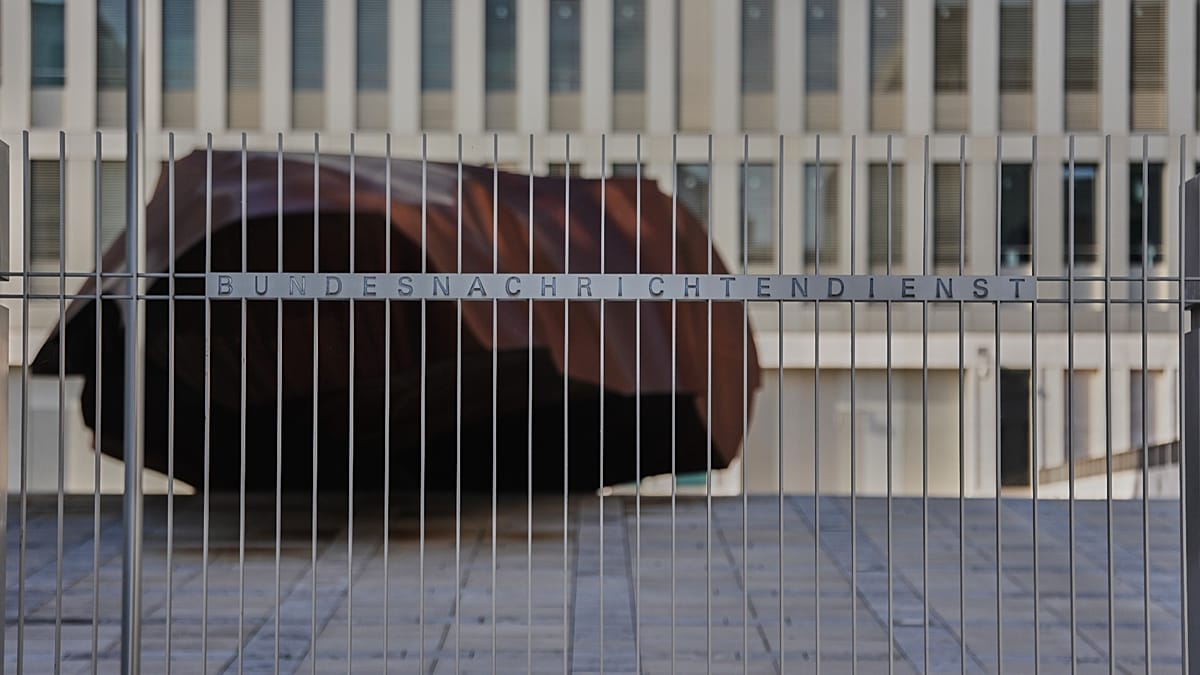
Following the arrest of former BND chief August Hanning on Tuesday in what has turned out to be Germany’s biggest espionage scandal, his long-standing confidant and former head of cabinet Manfred D has now also been taken into custody.
ADVERTISEMENT


ADVERTISEMENT
Federal prosecutors accuse both men of having used state secrets over many years to support private consulting activities and foreign interests, a crime that constitutes treason.
Manfred D, 64, has been charged with aiding and abetting and remains in pre-trial detention, while Hanning is being brought before an investigating judge, according to reports.
Manfred D previously served as head of cabinet to former intelligence chief August Hanning. The two men have known each other since the late 1990s and worked closely together for many years at the BND and later at the Interior Ministry.
Prosecutors say Manfred D obtained classified documents from the intelligence service and passed them to his former boss Hanning for financial gain.
The arrangement is believed to have been in place since 2010.
“Presumably in spring 2010, the defendants agreed that Manfred D would continuously obtain valuable intelligence from the Federal Intelligence Service for the accused Hanning in return for payment,” senior public prosecutor Dr Ines Peterson said.
Hanning is said to have used the confidential information to prepare, among other things, an analysis for foreign services to earn private income as a consultant.
Investigators bugged Manfred D’s property and monitored him for months in a high-profile probe.
Azerbaijan on Wednesday denied a report by German magazine Der Spiegel, republished by German and other media, claiming that Hanning could have been in contact with an agent from Azerbaijan.
Azerbaijan’s state news agency APA reported that Baku denied the Der Spiegel reports and that “through its special services and diplomatic channels conveyed its protest on the matter both to the Office of the German Chancellor and to the German Foreign Ministry.”
Meanwhile, Azerbaijan’s Media and Broadcasting Council issued a statement rejecting the reports as “unfounded disinformation and unacceptable information manipulation.”
In parallel, a senior Azerbaijani official told Baku-based international news channel Anewz the chancellor’s office and representatives of Germany’s intelligence community confirmed through official channels that the ongoing probe was not connected to Azerbaijan in any way.
“The initial attempt to associate Azerbaijan with this case originated from Der Spiegel, rather than from any official German investigative or judicial authority,” the official said.
“The Federal Prosecutor General’s Office itself has publicly identified neither Azerbaijan nor any Azerbaijani institution in connection with the investigation,” they added.
The allegations risk “causing unnecessary damage to the steadily developing relations between Azerbaijan and Germany,” according to the unnamed official.