


By Nela Heidner
Published on
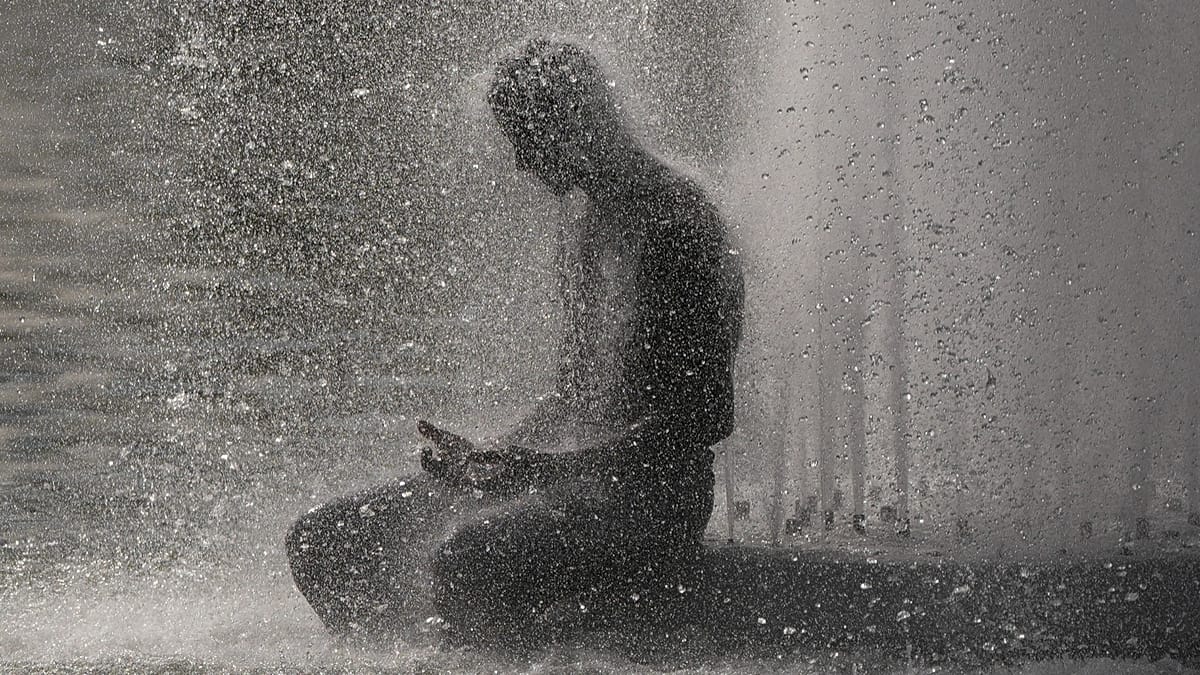
Water cannons? Yes, please! Berlin’s police resorted to an unusual measure, briefly bringing in two water cannon trucks to help cool down the public. The jets were, of course, far gentler than those used at demonstrations.
ADVERTISEMENT


ADVERTISEMENT
The water cannon vehicles did the rounds in the capital, to the delight of both locals and tourists. Among the stops were the Brandenburg Gate, Potsdamer Platz and the Reichstag building.
Cool spots were in great demand overall.
Germany has been in the grip of a heatwave for several days, with temperatures climbing to around the 40-degree mark and in some places even higher. The situation is particularly stressful because in many areas there has been little overnight relief for an extended period and temperatures have stayed high even after dark.
According to preliminary data from the German Weather Service, the past night was the warmest in Germany since records began. The highest reading came from Kubschütz in eastern Saxony, where the nighttime temperature never fell below 29.4 degrees Celsius.
The provisional daytime high of 41.5 degrees was recorded at 16:20 on Saturday in Möckern-Drewitz in Saxony-Anhalt.
Temperatures in Germany set to ease a little next week
Sunday is expected to mark the peak of the heatwave. The German Weather Service (DWD) is forecasting another day of extreme heat, with temperatures between 37 and 41 degrees. During the day and into the night to Monday, isolated heat-driven thunderstorms are also possible, bringing torrential rain, hail and, in some cases, severe gale-force gusts.
Overnight into Monday, temperatures will already fall noticeably, with lows between 23 and 19 degrees. The cooling trend will continue through Monday itself, when highs will only reach 27 to 31 degrees. There will be periods of rain and isolated thunderstorms.