
Published on
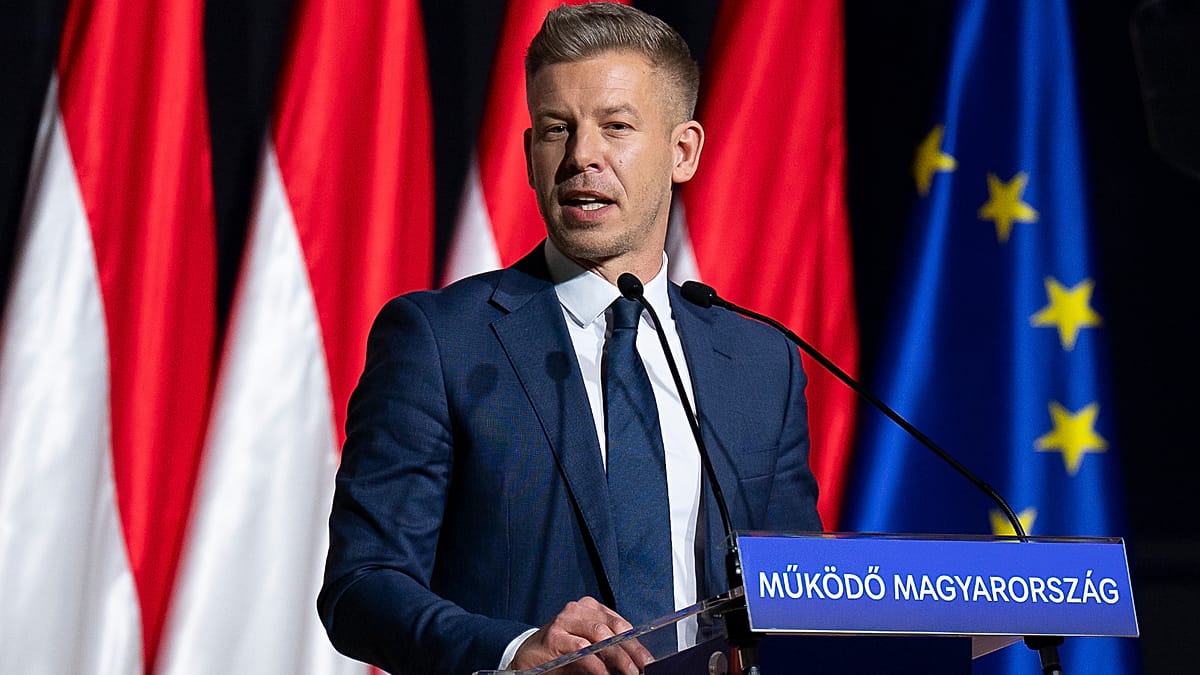
Hungarian opposition leader Péter Magyar has called on Russia to refrain from interfering in the country’s parliamentary elections, amid allegations that the Kremlin has deployed a covert task force to influence the outcome in favour of Prime Minister Viktor Orbán.
ADVERTISEMENT


ADVERTISEMENT
Hungary goes to the polls on 12 April in a vote widely seen as the most significant challenge to Orbán’s rule since he first came to power in 2010. Magyar, the leader of the Tisza Party, is currently leading in opinion polls.
Last week, the VSquare investigative portal reported that Russia had dispatched a three-person team, led by Vadim Titov and operating under diplomatic cover at the Russian embassy in Budapest, with the aim of securing an Orbán victory.
According to the report, the operation is overseen by Sergei Kiriyenko in Moscow, a senior Kremlin official and close ally of President Vladimir Putin, who is said to have also directed Russian interference in Moldova’s recent elections. That effort sought to unseat pro-Western President Maia Sandu through troll farms and on-the-ground operatives.
The Russian embassy in Budapest denied the allegations, dismissing the reports as fake news.
“No Russian delegation led by Sergei Kiriyenko or Vadim Titov is working at the embassy,” it said in a social media statement, which also accused Magyar of being the source of the claims. “It is not clear why Péter Magyar had to resort to such methods,” the statement read.
Magyar responded by calling on Russia to avoid interference.
“I strongly call on the Russian leadership to refrain from any influence on the Hungarian parliamentary elections and from threatening Hungarians,” he said in a statement on Sunday. He added that, if elected, the Tisza Party would seek balanced relations with Russia while strengthening Hungary’s standing within the European alliance.
Hungary-Ukraine tensions mount as elections loom
The war in Ukraine has become a defining issue in the Hungarian campaign. Orbán remains one of the few European leaders to maintain regular contact with Putin, and Hungary continues to import large volumes of Russian fossil fuels despite EU pressure to reduce dependence on Russian energy.
Last week, Russia released two Hungarian-Ukrainian prisoners of war following a personal request from Orbán, a move that underscored Orbán’s personal ties to Putin.
At the same time, Hungary’s relationship with Ukraine has deteriorated sharply. Budapest has blocked a €90 billion EU financial package for Kyiv, citing Ukraine’s refusal to restore the Druzhba pipeline, a key conduit for Russian oil to Hungary, after it was damaged in a Russian drone strike in January.
Tensions escalated further last week when Ukrainian President Volodymyr Zelenskyy publicly threatened to share Orbán’s contact details with Ukrainian troops in response to the blocked funds.
The following day, Hungarian authorities seized a large quantity of cash and gold and detained seven Ukrainian nationals during a raid on two Ukrainian cash-courier vehicles transiting Hungary. Budapest opened a money-laundering investigation. Kyiv accused Hungary of state terrorism and kidnapping.