

Published on
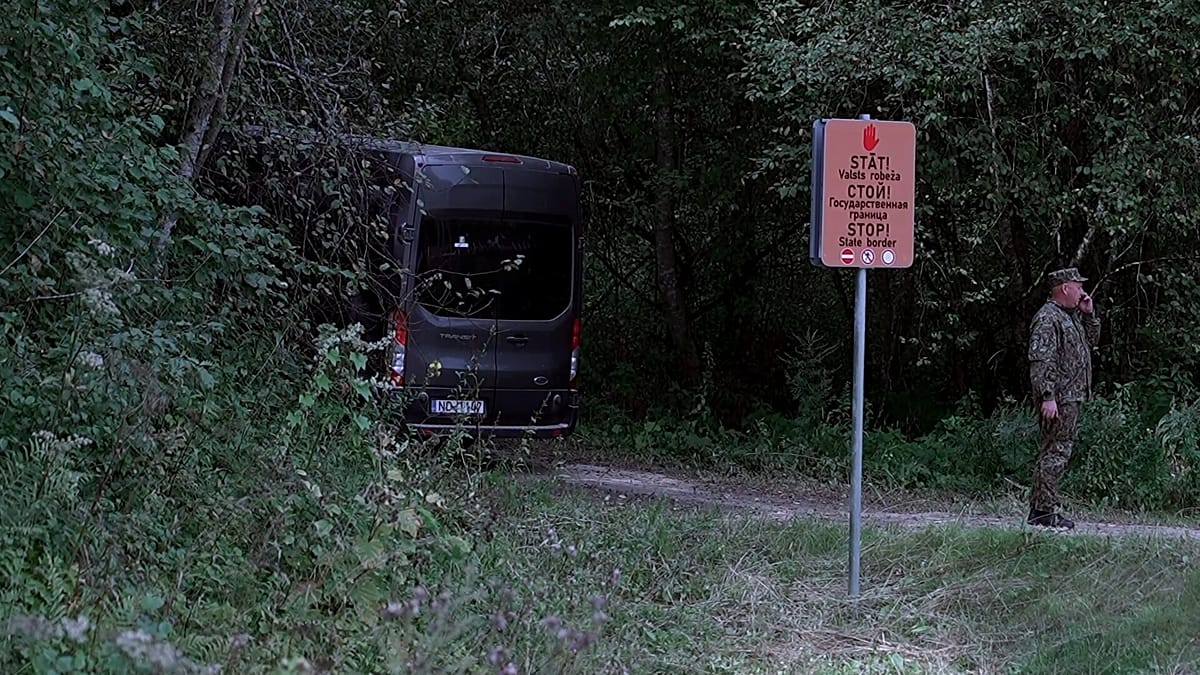
On 5 October, a group used makeshift stairs to enter Latvia. While the Baltic country of two million has faced irregular migration from Belarus since 2021, the latest incident was particularly aggressive.
ADVERTISEMENT


ADVERTISEMENT
The group of 20 migrants was led by “armed, masked escorts openly threatening Latvian soldiers,” Latvia’s Interior Minister, Jānis Dombrava, told Euronews. In the following hours, border surveillance equipment was damaged, reducing Latvia’s “ability to detect and respond to further incursions.”
“The combination of armed intimidation and targeted sabotage raises the risk of a violent confrontation and tests both our defences and our willingness to respond,” Dombrava said, adding that it’s “a security threat, not simply a migration-management problem.”
Latvia completed the fencing of its 173-kilometre border with Belarus this year and installed advanced surveillance systems, making crossings harder. The obstacles are making facilitators increasingly aggressive, according to Guntis Pujāts, head of Latvia’s State Border Guard.
“That’s why they are trying to be more aggressive and so to throw stones as well, to show what looks like a weapon and so on,” Pujāts told Euronews, adding that the incident “shows that the situation is not going to decrease but in the opposite way”.
More powers to Border Guard
The State Border Guard is now seeking greater powers to protect its personnel and secure the country’s border, as Latvia enters its fifth year of dealing with irregular migration from Belarus. The interior minister supports the move.
Currently, border guards already have the right to use firearms in circumstances prescribed by law, including when responding to serious threats and attempted acts of sabotage.
Pujāts wants to broaden their powers, as well as those of police and military personnel supporting border operations, to enable them to “protect the security of Latvia”.
On Thursday, the Border Guard submitted a proposal to the Interior Ministry seeking changes to the rules.
Under the proposed changes, border guards would no longer have to issue a warning before using force in certain circumstances, Pujāts said. They would also be able to use the tools at their disposal to stop and “neutralise” people damaging border infrastructure.
“We will not be obliged to warn before, and we will be allowed all tools that we have to stop and so to neutralise persons who are damaging our border infrastructure,” he said.
The interior minister confirmed to Euronews that he will propose amendments “to give those protecting our country clearer powers and greater discretion when facing threats of this kind.”
“Those who protect Latvia’s state border – border guards, soldiers and other officials – must be confident that they will not be unjustifiably subjected to criminal prosecution for the lawful use of firearms or special means,” he said.
Pujāts said he did not know how long it would take for the proposal to become law. Asked when he would like the changes to take effect, he replied: “Yesterday, or the day before yesterday.”