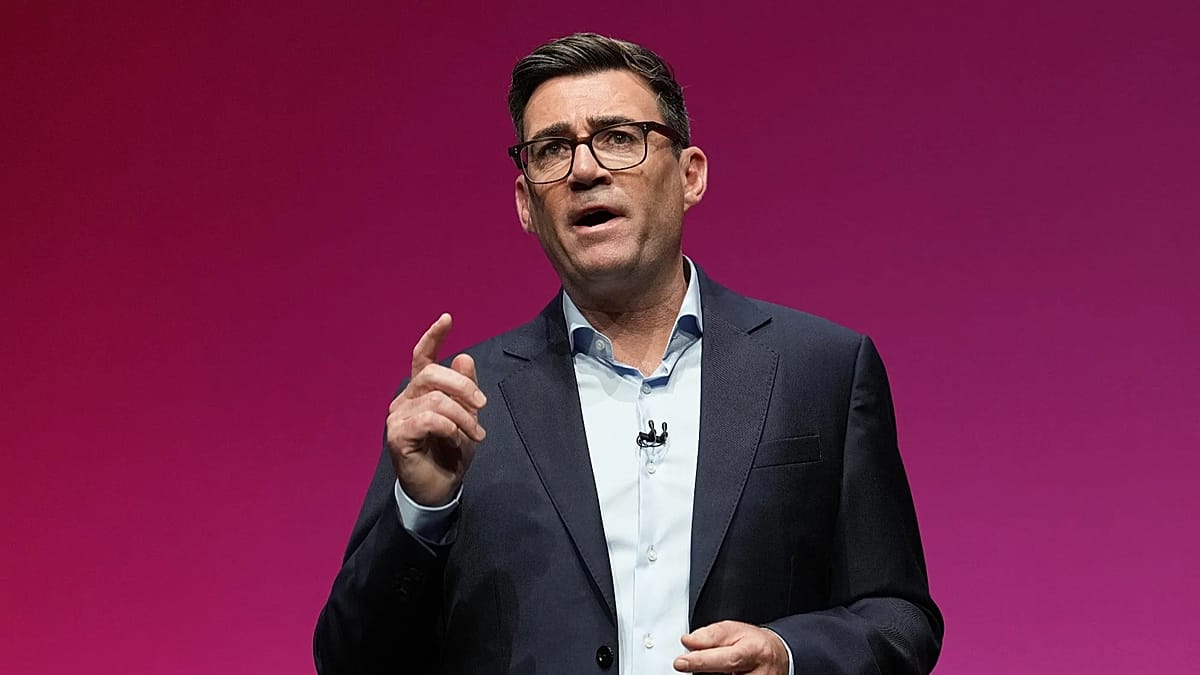
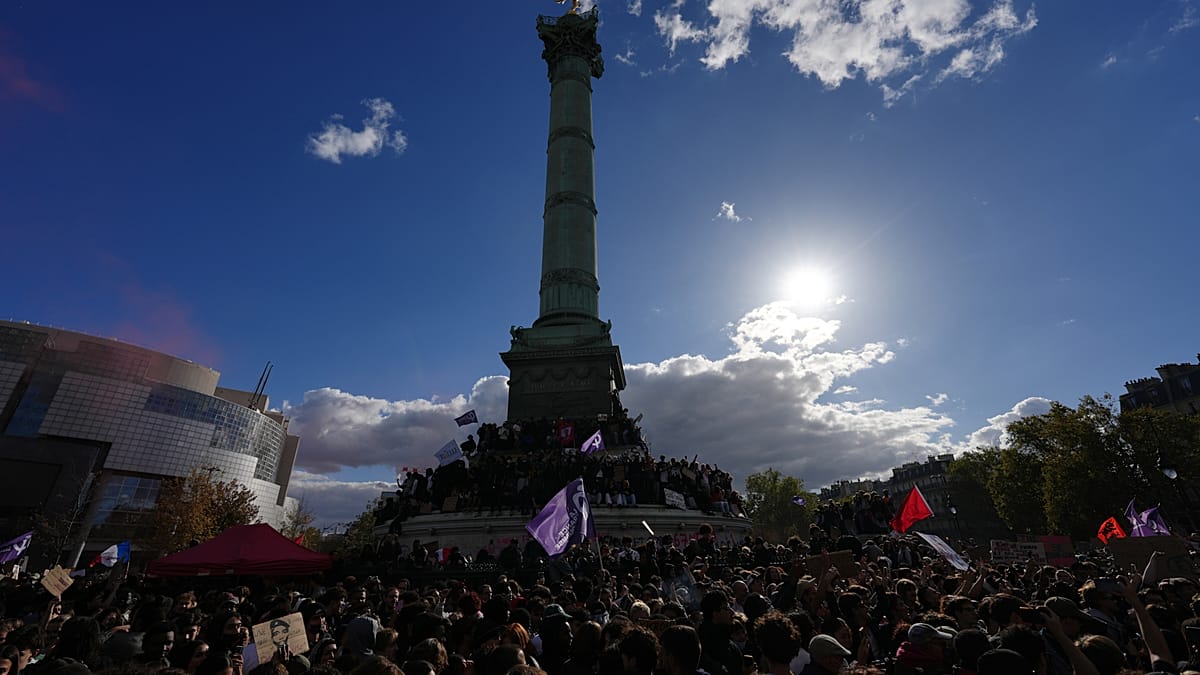

Jean-Luc Mélenchon, leader of the hard left France Unbowed party took to X on Thursday to declare the Bastille had been “retaken”, after students staged demonstrations across the country — including a major rally at Paris’ infamous Place de la Bastille.
ADVERTISEMENT


ADVERTISEMENT
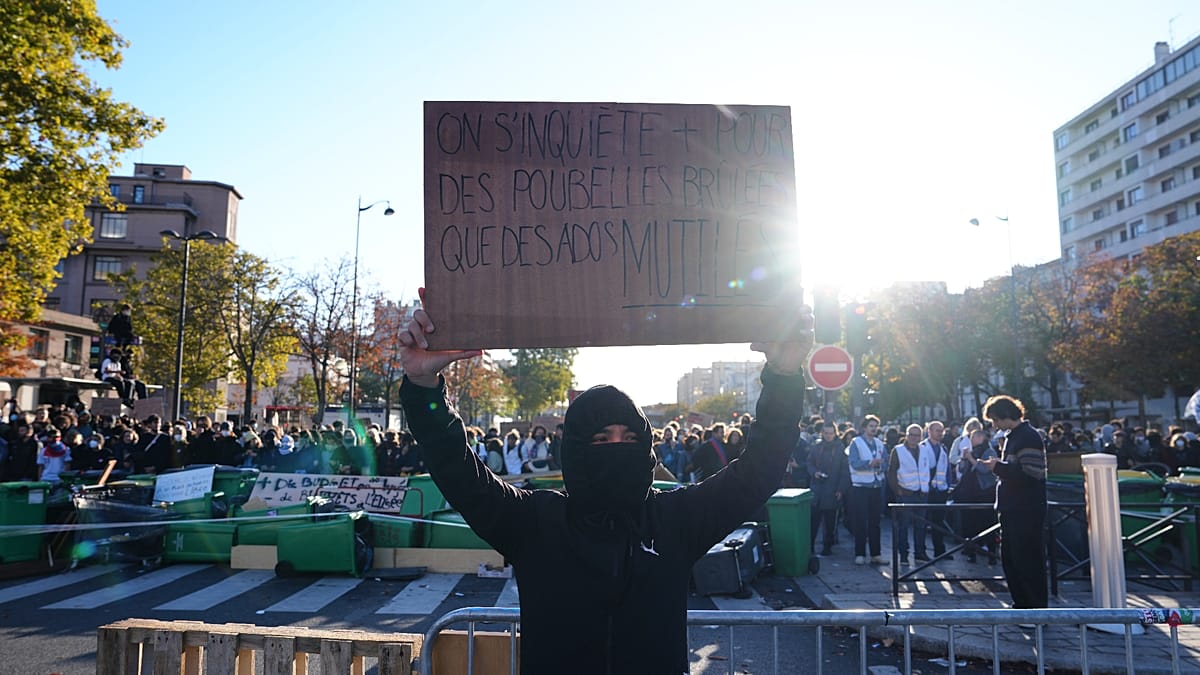
Thursday’s major protests were part of the student-led movement which began on 17 September in the suburbs of Paris, before gradually developing into a broader campaign addressing issues including long school days, overcrowded schools, teacher absences.
The mass gathering which took place at the place de la Bastille started off peacefully, but clashes with the police later erupted, with tear gas and a water cannon fired at protesters.
Meanwhile, France’s Education Minister Édouard Geffray said in an interview with broadcaster TF1 later that day that 3,000 substitute teacherswould be deployed to schools facing critical shortages.
Meanwhile, Mélenchon wrote “powerful demonstration by the youth who carry their demands in the most beautiful way possible! Immense pride. See you on Tuesday, October 13, at the call of the youth unions and workers.”
The storming of the Bastille in 1789 marked a major turning point in the French Revolution and became a symbol of the people’s resistance to royal authority.
The leader of France Unbowed and his allies have been accused of stoking unrest and manipulating young people for political gain by their opponents. He has stated that despite the fact that his party supports the protest, they were independently organised by students.
The student and professional union coalition has called for another day of protests and strikes on 13 October, with a further major mobilisation planned for 17 October.
What did protestors say on the ground?
Cathy, a history teacher in a secondary school located in Paris told Euronews she had decided to accompany her students to the Bastille rally, because she backed their demands in favour of a change in France’s education system.
“The students have demands that are very close to the ones teachers have been putting forward years. The system is degraded and it’s because there has been no response for so long, that this is happening,” she stated.
Meanwhile, one schoolboy warned that it was “normal” if violent outbursts occurred, if students’ demands were “not be heard.”
“All the revolutions in history have served a purpose. In 1789, there were a lot of deaths. We don’t want to have deaths, but we could revert to violence as a means of expression. The goal is not to perpetrate violence to hurt people, but it’s to use violence to change the system that harms us”, he said.
Despite this, many other school pupils said they backed peaceful protests, instead condoning police violence.
Many students questioned by Euronews at the rally had not heard of the government’s mass online consultation, which was launched earlier in the week in order to collate student opinions and drive possible policy proposals. France’s Education Ministry said it surpassed 40,000 responses within days of its launch.
Breaking down the numbers
According to the Interior Ministry, 71,500 people took part in Thursday’s protests, with 24,500 in Paris. Meanwhile, an estimated 55,000 people took part in protests outside schools, amid school blockades that were staged across the country.
The Education Ministry said 375 schools were fully or partially closed for the day.
Authorities also reported an increase in what they described as cases of “urban violence”, saying they took place on the “margins’ of peaceful student demonstration, acting as a ‘stain on their legitimate expression.’
Police have made more than 6,600 arrests since late September, when students, most of them under 18, began protesting to demand more education funding, according to the Interior Ministry.