


Published on
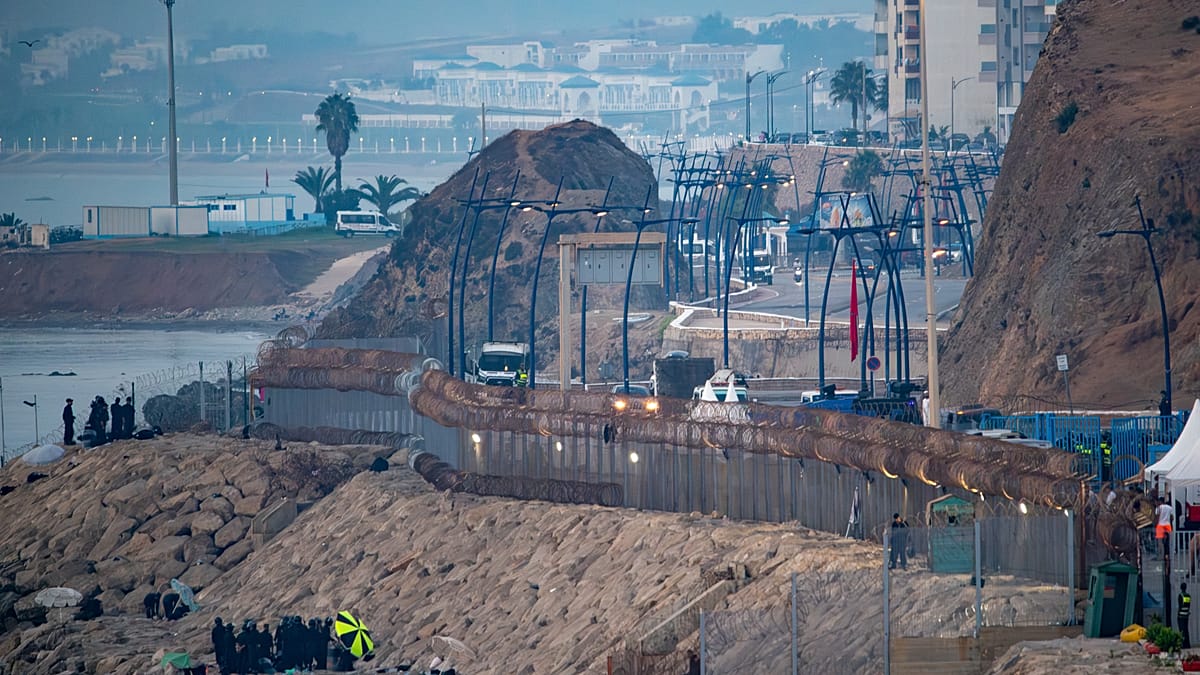
Moroccan security forces on Saturday say they have prevented hundreds of people from crossing into Ceuta. Reports say the group, mostly originating from sub-Saharan Africa, had been hiding on the outskirts of Fnideq, known in Spanish as Castillejos.
ADVERTISEMENT


ADVERTISEMENT
Moroccan media says 294 people were arrested, 46 of them Moroccan and the rest from sub-Saharan Africa.
According to Moroccan security sources cited by the EFE news agency (source in Spanish), the incident took place in a mountainous area to the south-west of Ceuta, where officers moved in to disperse the group.
The same reports said the migrants remain in the area and that, for the moment, there has been no fresh attempt to approach the border fence.
Chams Edine Yakoub, 25, a Sudanese migrant hoping to cross into Ceuta, told AFP that he had been looking for opportunity. “In Ceuta, in Europe, people are better cared for,” he said. “There’s no work here. There’s no money. There’s no housing. There is absolutely nothing, I swear.”
This latest attempt comes just two weeks after a mass crossing of around 72,000 mostly Moroccan men crossed into Ceuta, a Spanish territory. The vast majority of them have now been returned to Morocco.
Police deployment and checks on access roads
Fnideq’s town centre woke up to a calm Saturday morning, albeit under a heavy police presence. The authorities say they have been maintaining checkpoints on the main roads into the town, particularly on the routes coming from Tetouan and Tangier.
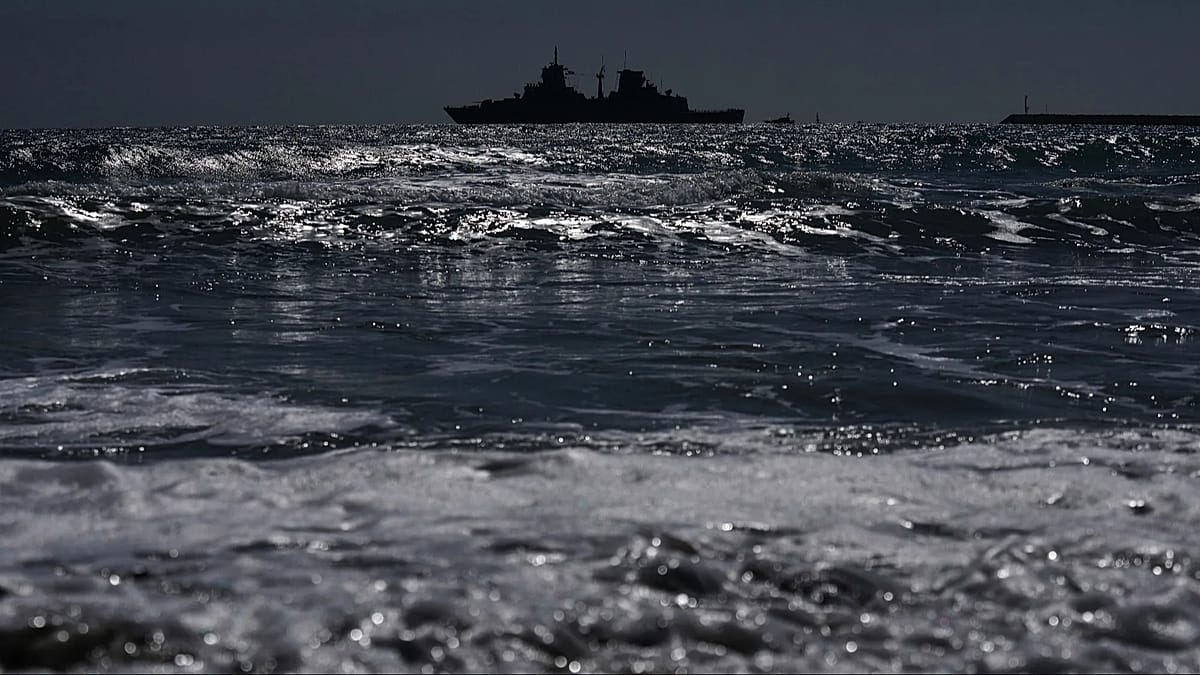
During the early hours, surveillance was stepped up on land and at sea around the border with Ceuta, with fast boats from the Moroccan Royal Navy and surveillance drones taking part.
Despite the operation, a 17-year-old young woman managed to reach Castillejos during the night and told EFE she had travelled from Tetouan on a bus that was stopped at three checkpoints along the roughly 35 kilometres between the two towns, underlining the extent of Morocco’s screening in the area.
Saturday’s operation forms part of a wider deployment organised by Rabat to prevent a mass crossing into Ceuta that had been called for on social media.
The call came just a few weeks after the tragedy of 30 and 31 July, when tens of thousands of people crossed on foot and by swimming to the Spanish enclave. According to humanitarian organisations, that episode left at least 141 people dead, one of the highest death tolls ever recorded on the border between Morocco and Spain.