




Published on
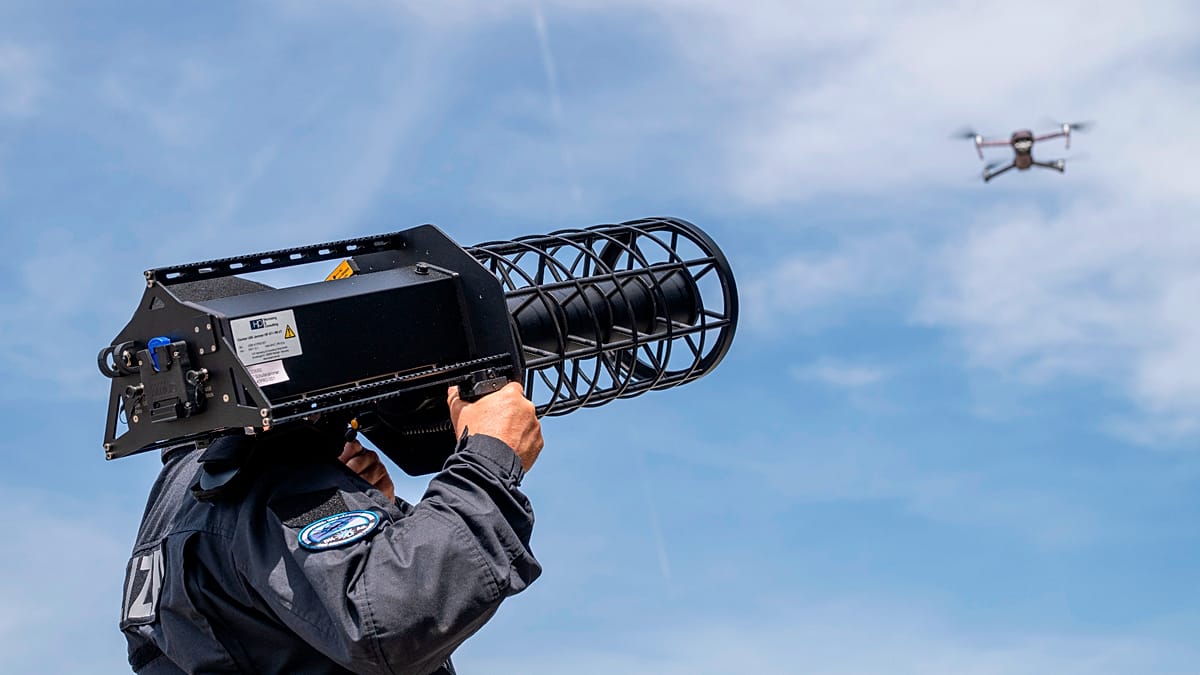
Investment in counter-drone technology across the EU surged sixfold between 2024 and 2025, but only a third of the programmes are expected to deliver by 2030, according to a confidential EU report obtained by Euronews.
ADVERTISEMENT


ADVERTISEMENT
The 2026 annual defence readiness report, a European Defence Agency (EDA) assessment of national military capabilities, exposes persistent gaps in Europe’s defences against drones and urges member states to step up investment in drone and counter-drone technology.
“Investment in counter-drone and very short-range air defence capabilities grew sixfold between 2024 and 2025 in response to the growing threat posed by unmanned systems, although only around one third of programmes are expected to deliver by 2030,” reads the report, which was shared with European governments last week.
The EU’s eastern flank, stretching from the Baltic to the Black Sea, faces a growing threat from drones, some of which have strayed from the battlefield in Ukraine. On Tuesday, drones struck two commercial vessels in Bulgaria’s territorial waters, sinking one.
The EDA found that most member states are investing in drones for surveillance, reconnaissance and target acquisition, while other types of unmanned aircraft continue to attract limited funding despite their growing importance on the battlefield.
EU countries are investing €18.9 billion in drone technologies over 2024-2029, the report says.
“Despite the high level of attention paid to the acquisition of drone and counter-drone capabilities, significant capability gaps and external dependencies continue to affect overall European readiness,” the document continues.
Spain, Denmark, Croatia, Latvia and the Netherlands are leading a joint EU project to buy drones and anti-drone systems together and to set up a technology hub to centralise innovation and testing.
However, the EDA points to significant shortcomings: procurement fragmented at national level, limited interoperability, a lack of experimentation capacity and insufficient industrial surge capacity, notably for weaponised drones.
Closing these gaps would cost comparatively little next to other defence capabilities, the report notes, but would demand sustained funding and an agile, integrated approach.
“Industrial capacity has yet to reach the scale and responsiveness required for protracted high-intensity operations, as the pace of technological innovation is outstripping traditional acquisition cycles, creating a persistent risk that capabilities become obsolete before they can be fielded,” the report adds.
In short, it says drone technology is evolving so quickly that equipment risks becoming obsolete before it even reaches the battlefield.
The report says current plans and programmes address these challenges but must be paired with adequate doctrine and training.
The EDA also found more than 200 companies producing drone and counter-drone technologies in the EU, a dynamic but fragmented ecosystem that could expand by up to 140% by next year with the right investment framework.
“Industrial readiness in this sector requires agile production ecosystems maintained at the cutting edge of technologies and organised for rapid and massive scaling rather than building up large stockpiles,” the report reads.