



Trump is still upset with NATO countries for not coming to the assistance of the US when it first waged war on Iran, US Ambassador to the EU, Andrew Pudzer has warned.
ADVERTISEMENT


ADVERTISEMENT
Asked if Trump’s disappointment with European countries has subsided in recent weeks, Ambassador Pudzer replied: “I don’t know that it’s subsided.”
“I know he’s very disappointed”, he said.
US anger stems from Europe’s refusal to assist with Iran
The US president took umbrage when some European countries including Spain and Italy refused access to the US army to military bases, and in some cases to skies across Europe for warplanes carrying munitions on their way to Iran.
However, while UK Prime Minister Keir Starmer initially declined the use of Britain’s military bases in Cyprus to the United States for offensive airstrikes, he later relented citing the “specific and limited defensive purpose.”
And while Germany didn’t restrict access to US bases, Berlin frequently criticised the wars aims and strategy. Defence Minister Boris Pistorius said “this is not our war; we did not start it.”
To Trump, Europe had ‘an obligation’ to assist
Pudzer says the Trump administration believes European states had an obligation to allow basic access, citing America’s historical defence of Europe over several decades.
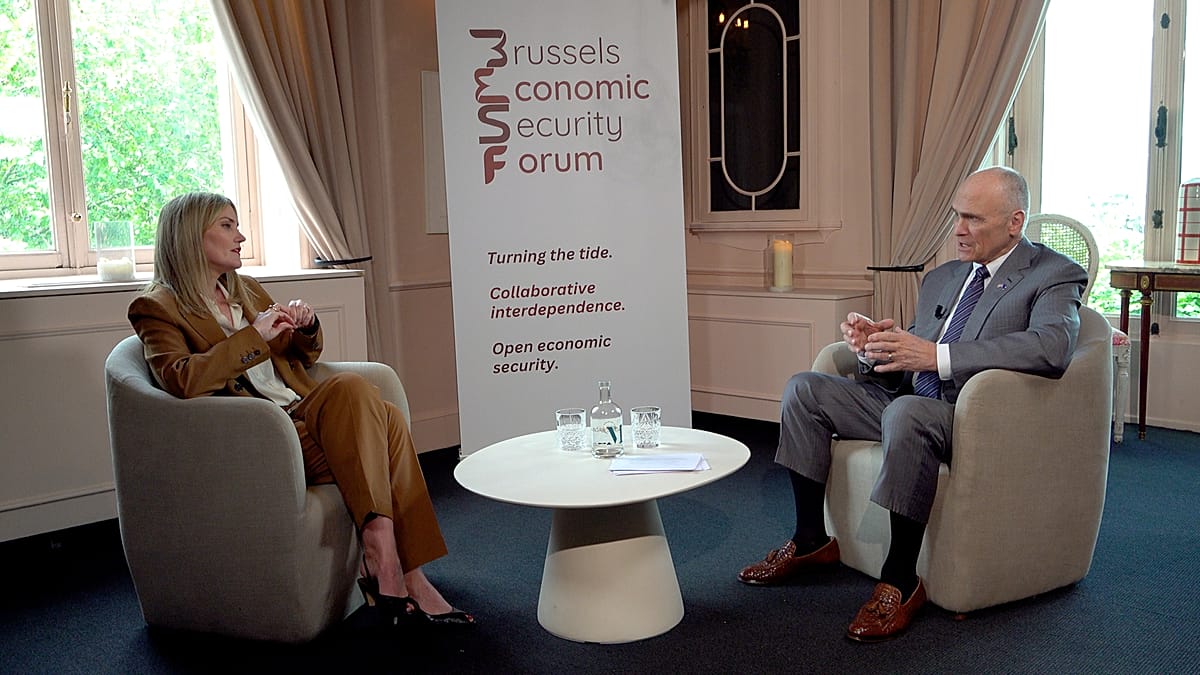
“We have bases in Europe that we have funded and supported for decades, and we have countries that we’ve rescued in war and we’ve been a very reliable ally to,” he told Euronews in an interview at the Brussels Economic Security Forum on Friday.
“When they won’t even let us fly over their country or use our bases in their countries, you’re going to find the United States, and particularly President Trump, will be very upset,” he said.
US questions reliability of European allies
The US and Israel initiated widespread air strikes across Iran on February 28th. In response, Tehran effectively closed the Strait of Hormuz – an essential waterway through which one fifth of the world’s oil and gas reserves are transported.
The maritime chokepoint has remained by and large ground to a halt since then, sending energy prices skyrocketing and contributing to global instability.
Pudzer said the move made the US question the reliability and trustworthiness of America’s European friends, saying: “all we wanted to do was fly over the countries we defended and use the air bases…so if you’re not willing to do that, what are you willing to?”
Damage to transatlantic relations
Trump has made his indignation clear over recent weeks and months describing his NATO allies as “cowards” on social media. He also vowed to “remember” how they rejected the US army’s request for some assistance.
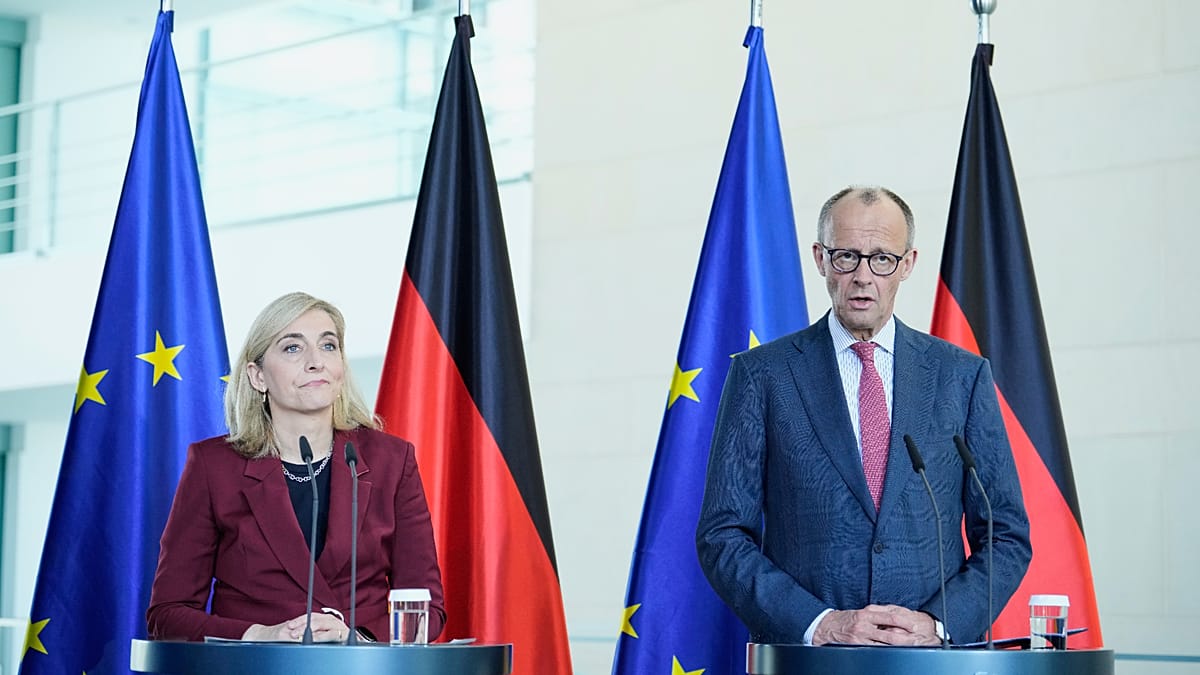
Since then, Washington has cut numerous US military capabilities available to NATO for use on the European continent during wartime. Trump also announced troop cuts in Europe in the midst of a public feud with German Chancellor Frederic Merz over Iran.
In late April, Merz said US White House negotiators were being “humiliated” by Iran’s leadership.
“An entire nation is being humiliated by the Iranian leadership, especially by these so-called Revolutionary Guards. And so I hope that this ends as quickly as possible,” said Merz. He also criticised Washington’s ‘ill-conceived’ objectives when deciding to start the war.
Trump responded on social media saying “the Chancellor of Germany(sic) should spend more time on ending the war with Russia/Ukraine (Where he has been totally ineffective!), and fixing his broken Country.”
Since then a UK-France-led international coalition to reopen the Strait when hostilities end has sent naval assets and personnel to the region.
The operation was quickly arranged partly in a bid to resolve the serious rift that emerged over Europeans’ initial reluctance.
Asked if he thought the European’s initial response was a “big mistake for a small ask”, Pudzer replied: “I would say that was a very good summary.”