
Published on
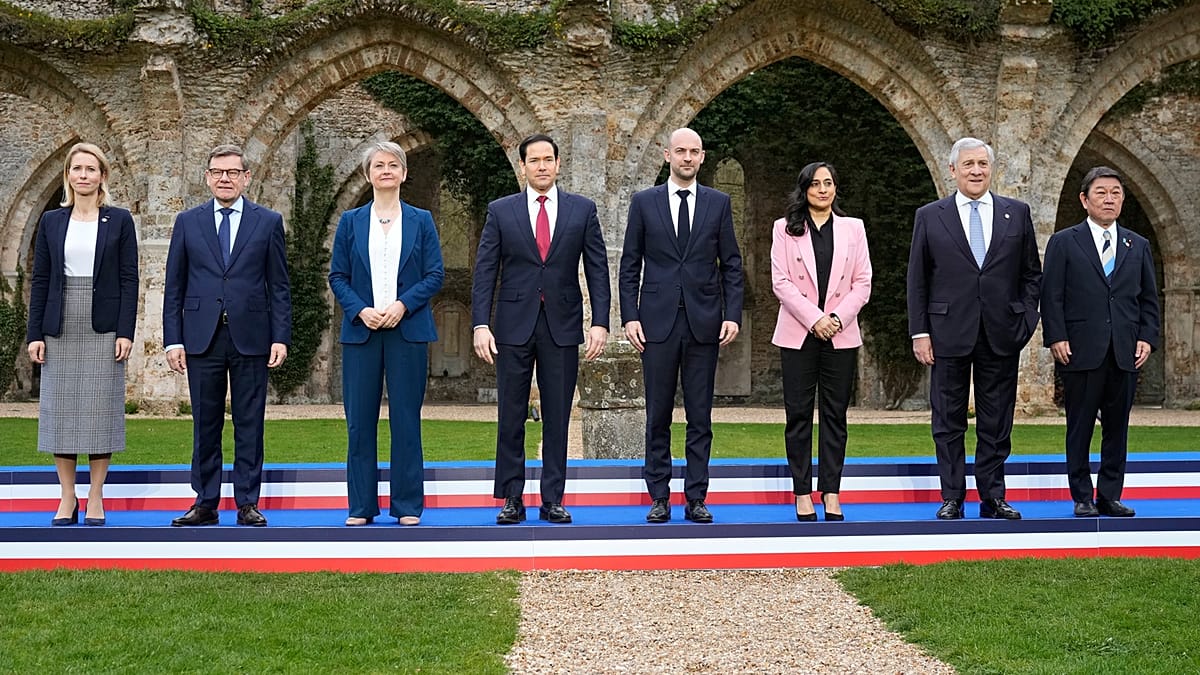
The Group of Seven is an exclusive, informal club made up of the United States, Canada, France, Germany, Italy, Japan, and the United Kingdom, alongside the EU.
ADVERTISEMENT


ADVERTISEMENT
They have immense economic gravity. When the G7 unifies on freezing assets or setting global taxes, the rest of the world listens and usually adapts.
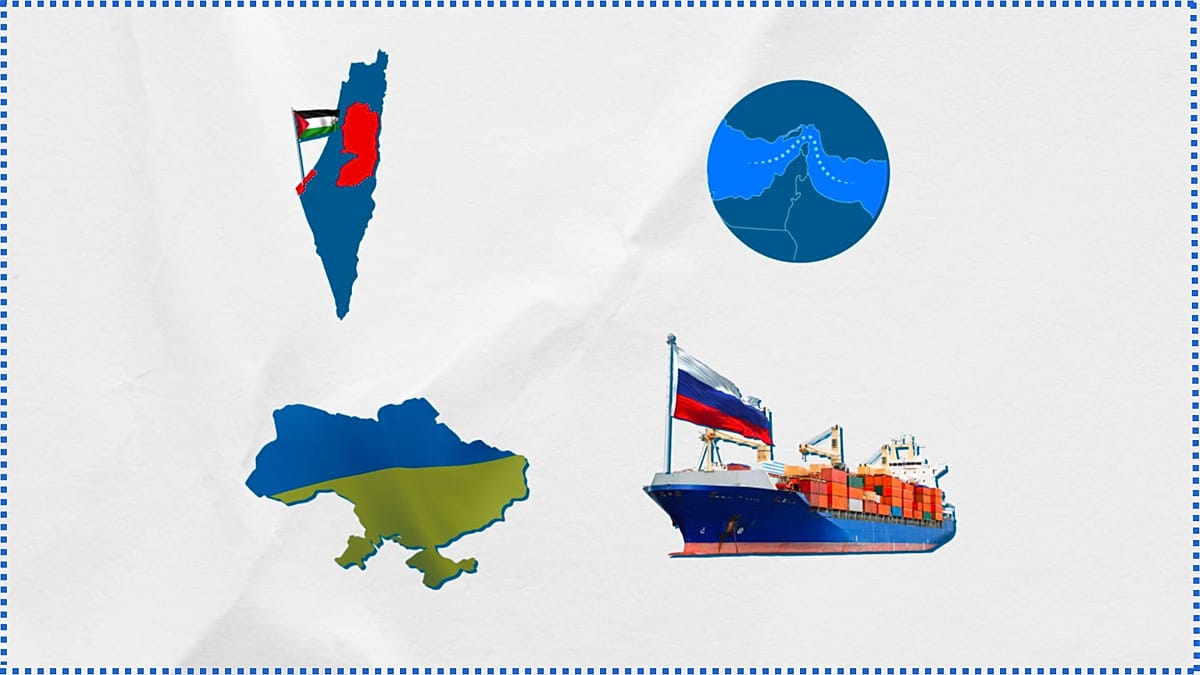
As they meet today, they will discuss ceasefire plans in Gaza, securing maritime passage in the Strait of Hormuz, backing Ukraine and adding more sanctions on Russia’s shadow fleet.
And it feels like history is repeating itself. After all, The G7 was created on France’s initiative following the 1970s oil crisis.
But does it have power? It depends how we define it.
The G7 cannot pass binding international laws, and it has no combined military. Every pledge relies entirely on leaders keeping their promises back home.
And it also faces structural limits. By limiting its membership to traditional Western powers, it might overlook the Global South. The rapid expansion of BRICS, so a coalition of emerging economies, proves the G7 is no longer the only heavyweight in international affairs.
Still, as Donald Trump pushes to make global policy entirely by himself, the G7 might seem like a relic. But it stands as a major attempt to keep the world’s biggest democracies working together, rather than pulling apart.
Watch the Euronews video in the player above for the full story.