




Driving across Europe by car is a great choice for those looking to take in the scenic route this summer while also squeezing in multi-city adventures.
ADVERTISEMENT


ADVERTISEMENT
However, safety standards on those roads vary wildly from border to border.
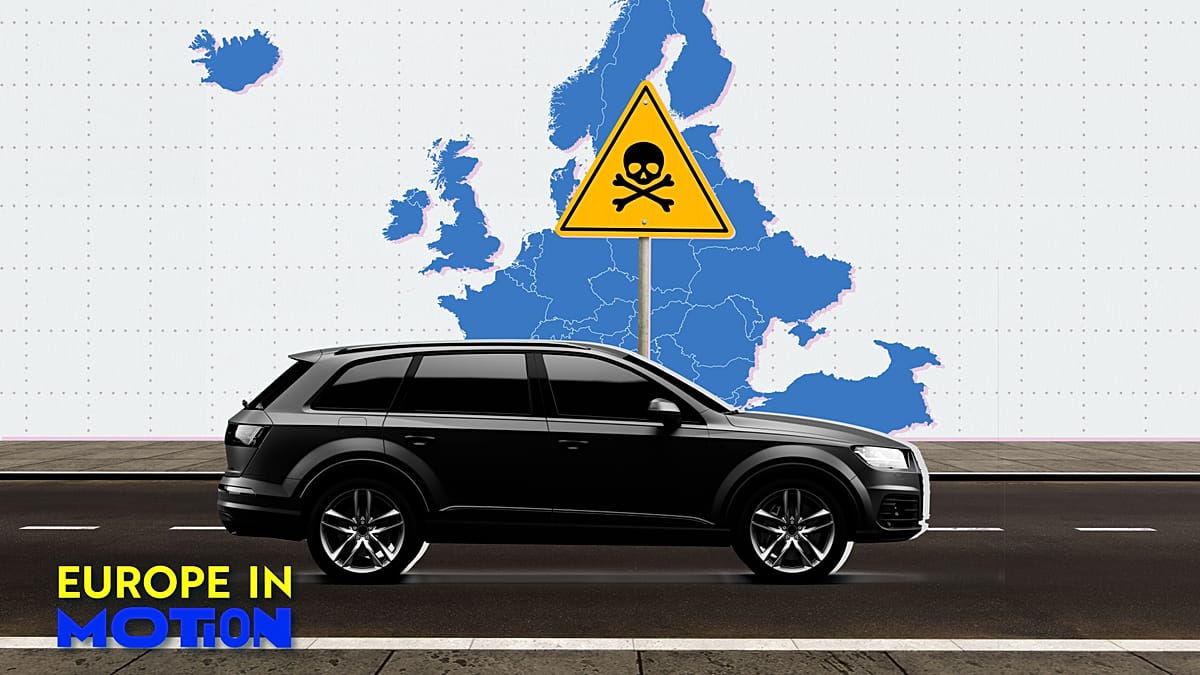
Serbia, Bulgaria, and Romania are Europe’s deadliest countries for driving, according to a study by Vignette Switzerland, an online sales company for the Swiss e-vignette, a digital road toll pass.
Serbia registered 74 road deaths per million people, putting the country a staggering 72% above the EU average. It’s the second consecutive year the country topped the list.
However, its latest road fatality figures are slightly down from last year’s.
Bulgaria followed next in second place with 71 road deaths per million people, and Romania ranked third with 68 road deaths per million people.
In addition, popular tourism hubs, including Portugal, Greece, Italy and France, came in among the top 10 deadliest European countries for driving, according to the study.
On the other hand, Nordic countries still dominate the safety rankings, with Norway now tied with Sweden, recording just 19 deaths per million inhabitants, making them nearly four times safer than Serbia.
Which European country has improved — and who hasn’t?
Lithuania has achieved a 43% reduction in road deaths over the last decade, according to Vignette Switzerland.
Latvia, Bulgaria, Greece and Hungary also showed long-term progress in protecting drivers and pedestrians alike, with decreases of 37%, 36%, 35%, and 30% in road deaths, respectively.
Nevertheless, road safety progress has stalled in some common holiday destinations such as Portugal, where road deaths have fallen by just 1% since 2015.
France has also shown a slow rate of improvement, reducing fatalities by 6% over the same period.
Experts suggest that drivers looking to travel this summer should check local rules, plan their routes carefully, and stay alert on unfamiliar roads to avoid incidents.