




Published on
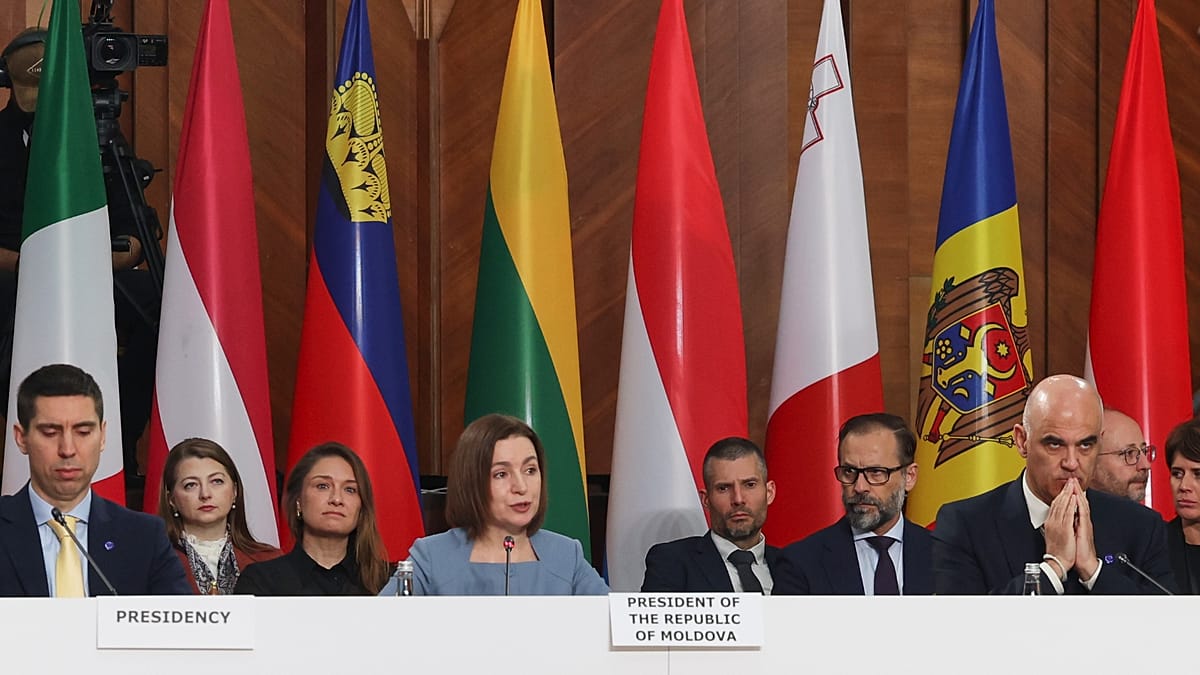
The meeting of the Council of Europe Committee of Ministers concluded on Friday in Chisinau, Moldova. Top of European leaders’ agenda were unwavering support for Ukraine, the strengthening of democratic security, the fight against information manipulation and foreign interference, as well as the management of migration flows.
ADVERTISEMENT


ADVERTISEMENT
Among the most important decisions, taken on Italy’s initiative, the standout measure is the adoption of a new interpretation of the European Convention on Human Rights, which could facilitate the expulsion of some migrants, including to “repatriation centres” in third countries.
What the Council of Europe declaration says
In detail, the approved declaration defines the rights set out in Articles 3 and 8 of the Convention, which concern protection from torture and inhuman or degrading treatment and the right to private and family life. The document endorses cooperation with third countries on migration, including the use of “repatriation centres”, provided that those countries comply with the Convention on Human Rights.
The text states that the prohibition of torture and inhuman or degrading treatment remains absolute, but specifies that ‘the assessment of the minimum level of severity of ill-treatment that constitutes inhuman or degrading treatment or punishment is relative and depends on all the circumstances of the case’.
On the legal front, as regards Article 8, the declaration states that states may expel foreign nationals despite their right to private and family life, provided that this is balanced against a legitimate aim, such as national security, and that the European Court of Human Rights would require ‘valid reasons’ to prevail over a state’s decision.
‘It is essential to be able to respond with new tools to today’s challenges,’ explains Italy’s Undersecretary for Foreign Affairs Massimo Dell’Utri, underlining that the document acknowledges the need to address effectively and promptly the challenges posed by irregular migration, in order to strengthen border protection and ensure national security, also through cooperation instruments with third countries in managing flows and combating migrant smuggling and organised crime, while at the same time reaffirming the central role of the Convention as a pillar of the European legal order.
Meloni: legitimacy of the Italy-Albania model recognised
The outcome of the summit was greeted with great satisfaction in Rome by Prime Minister Giorgia Meloni. ‘The Chisinau Declaration, adopted today by the 46 member states of the Council of Europe, recognises the legitimacy for nations to pursue innovative solutions in managing migration flows, such as repatriation hubs in third countries, following the model launched by Italy in Albania’.
This is what Prime Minister Meloni writes on social media, noting that ‘it is an important result, the outcome of a process that Italy helped to open with courage and determination together with Danish Prime Minister Frederiksen‘. ‘What was prompting debate only a year ago,’ Meloni adds, ‘has today become a principle shared by the 46 member states of the Council of Europe and shows, once again, that the Italian approach to an orderly management of migration flows, pursued with seriousness and consistency by our government, has now also become Europe’s approach’.
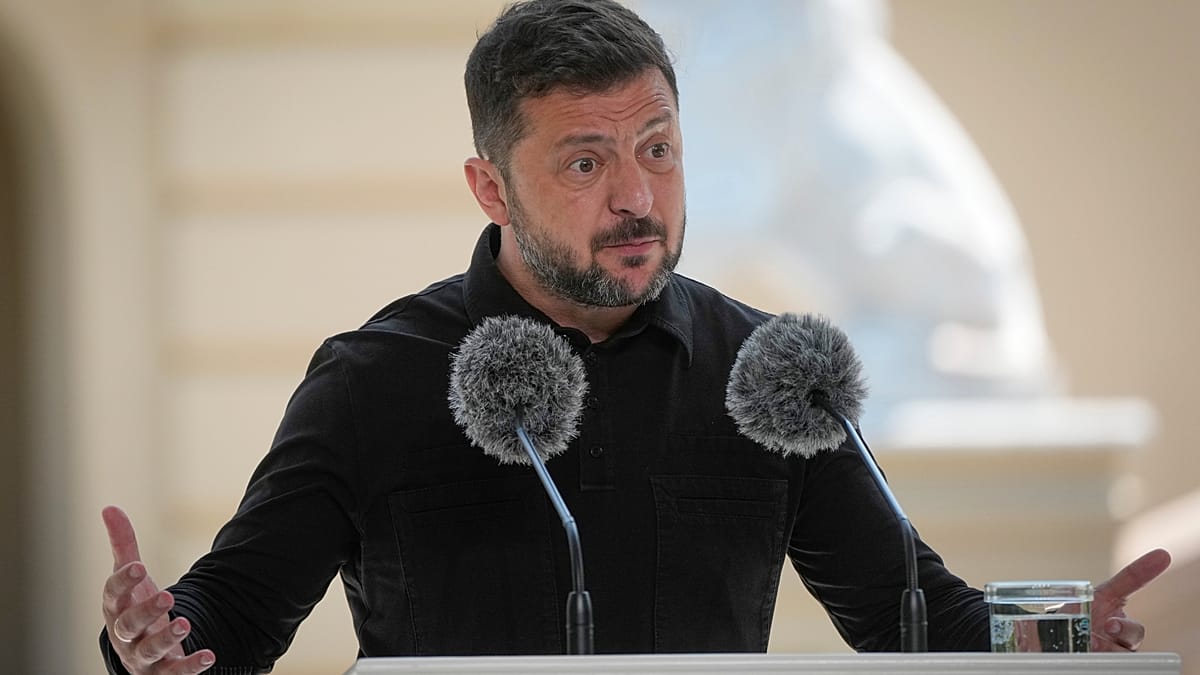
Beyond the migration dossier, the member states of the Council of Europe renewed their firm support for Ukraine, with particular emphasis on international instruments aimed at determining Russia’s responsibility for the aggression. Thirty-six states, including Italy, and the European Union adopted the founding decision establishing the Special Tribunal for the crime of aggression against Ukraine.