
Published on
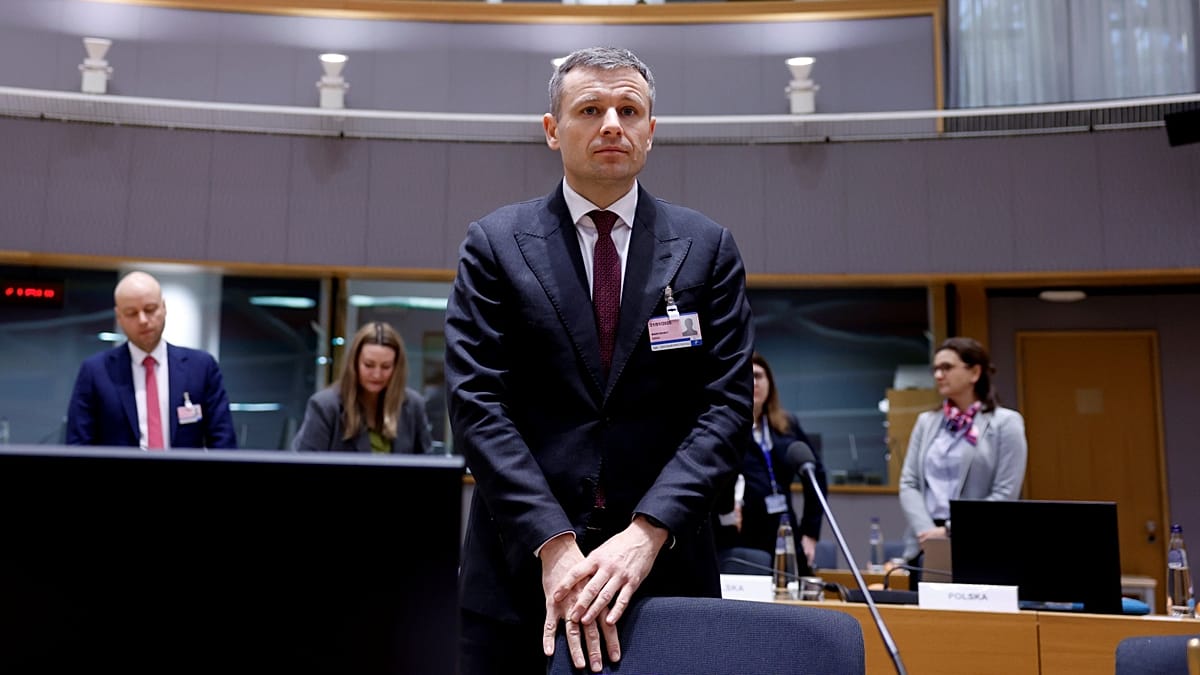
Ambassadors of EU countries agreed on Wednesday to extend the temporary protection status granted to Ukrainians fleeing the war until 4 March 2028, but with men aged 23 to 60 excluded from the scheme.
ADVERTISEMENT


ADVERTISEMENT
From March 2027, temporary protection will be granted only to those who have fulfilled their military obligations in Ukraine, a move aimed at strengthening Kyiv’s armed forces in response to requests from the Ukrainian government.
To obtain refugee-like status in the EU, Ukrainians will have to prove that they left the country legally by presenting a passport bearing an exit stamp or a document confirming exemption from military service.
Ukraine’s martial law prevents most men aged 23 and over from leaving the country, as they are subject to military service obligations. People with disabilities who are deemed unfit for military service, fathers of three or more children under the age of 18, and individuals providing full-time care to sick relatives are exempt.
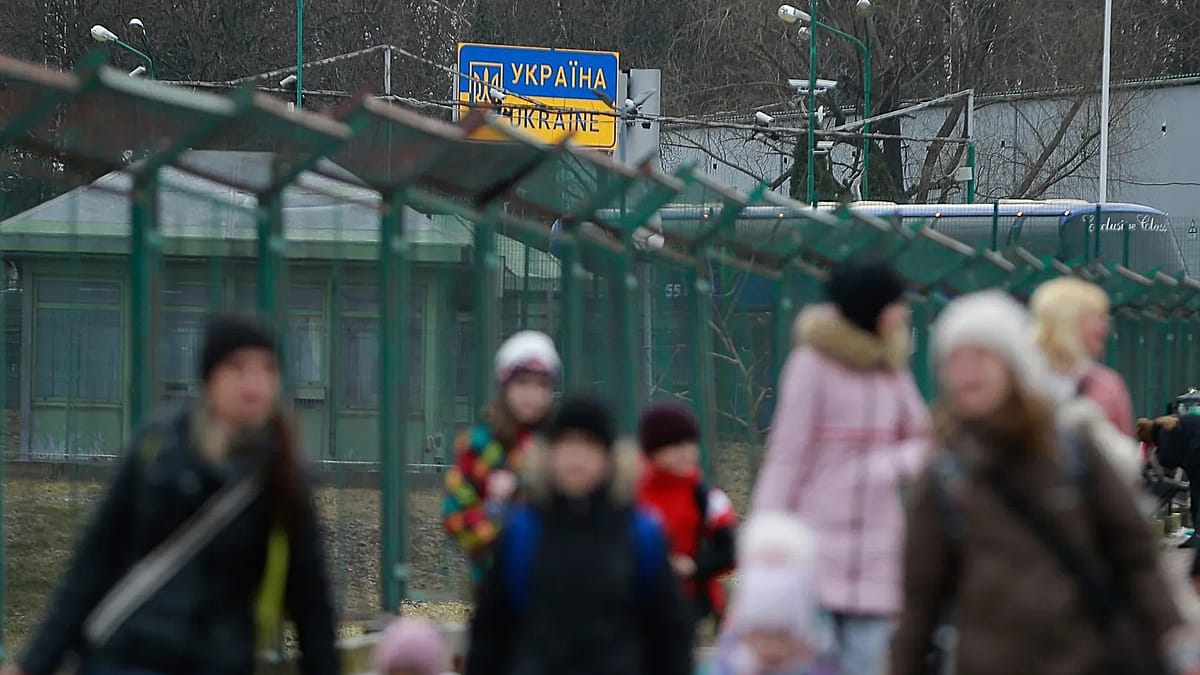
Despite this, some Ukrainian men of draft age have crossed the country’s borders illegally and obtained temporary protection in EU countries in recent years.
Frontex data show that almost 1,000 people illegally crossed Ukraine’s border into the EU this year, and more than 10,000 did so in 2025. Adult men account for 26.6 percent of Ukrainian refugees in Europe, but no data are available showing what proportion of them are of military age or arrived irregularly.
People who are already benefiting from temporary protection in the EU will not be affected by the change in the rules.
Following today’s agreement, EU countries will formally adopt the decision in the coming weeks.
Established after Russia’s full-scale invasion in 2022, the scheme has allowed Ukrainians to live in EU countries without having to apply for asylum. As of 31 May 2026, 4.38 million people who fled Ukraine were under temporary protection, which allows them to reside, work, receive medical assistance, and access education in EU countries.
Denmark, which does not participate in the scheme after securing an opt-out from EU migration policy, has established an analogous system.