
Published on
•Updated
The use of drones in the war in Ukraine and the violation of EU airspace by these aircraft requires a realignment of defence strategy, according to the bloc’s top military official.
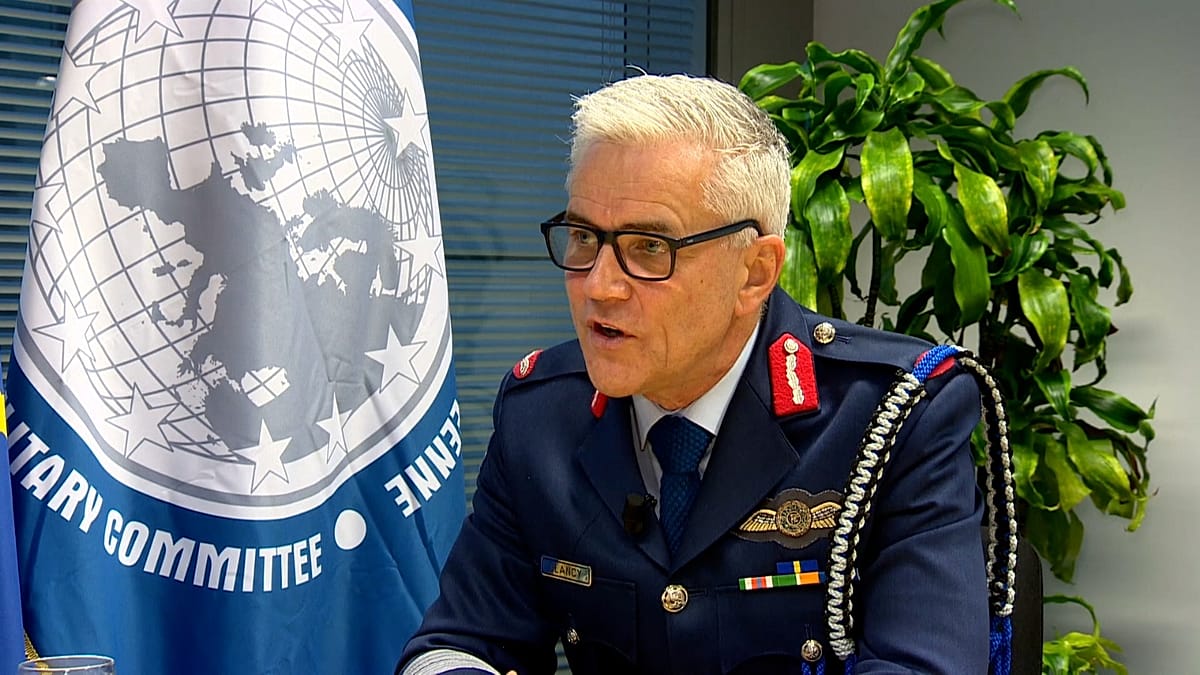
All military, political, and economic structures of the EU must be prepared and ready to defend themselves, the Chairman of the EU Military Committee (CEUMC), Irish General Sean Clancy, told Euronews.
To that end, the EU and the NATO alliance need to work together more closely.
“There is a stronger relationship required between the EU and NATO. There is a need for coherence. There is a need to eliminate insofar as practical duplication. And the drone defence initiative is about actually creating a greater coherence between civil society, the military, and the allies in this instance, of course,” he said. “And the command and control structure of NATO and NATO’s role in terms of the defence and the deterrence in Europe is sacrosanct.”
To better react to hybrid threats, the EU has launched the Drone Defence Initiative, Clancy said. It aims to reinforce Europe’s resilience against emerging military and hybrid threats while enhancing strategic autonomy and operational readiness.
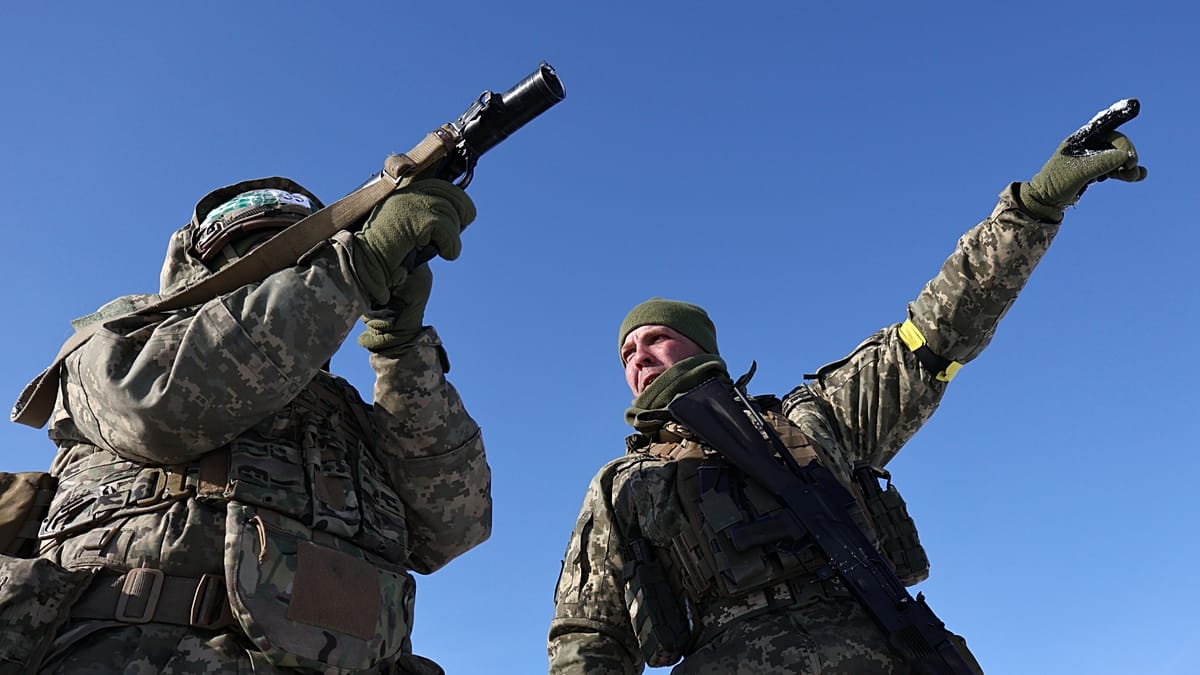
It establishes a multi-layered network capable of detecting, tracking and neutralising hostile drones, while also enabling precision-strike capabilities through advanced drone platforms. Drawing extensively on Ukraine’s battlefield experience, it will be closely connected to the proposed Drone Alliance with Ukraine
Its dual-use dimension would allow applications in civilian contexts such as border protection and disaster response. It is expected to be launched in the spring of 2026, reach initial operational capacity by the end of 2026 and be fully functional by the end of 2027.
With this instrument, Europe recognizes the need for a coherent approach across Europe, as the weaponization of drones was seen in Denmark, Belgium or Poland.
“This is a pan European issue. And the hybrid threats are borderless. They’re non-discriminatory when it comes to actually malign actors or deliberate actions that are undertaken in this in this sphere,” Clancy said. “So this is about actually creating a coherent approach across Europe. The first and force the first responsibility, of course, is on individual Member States.”
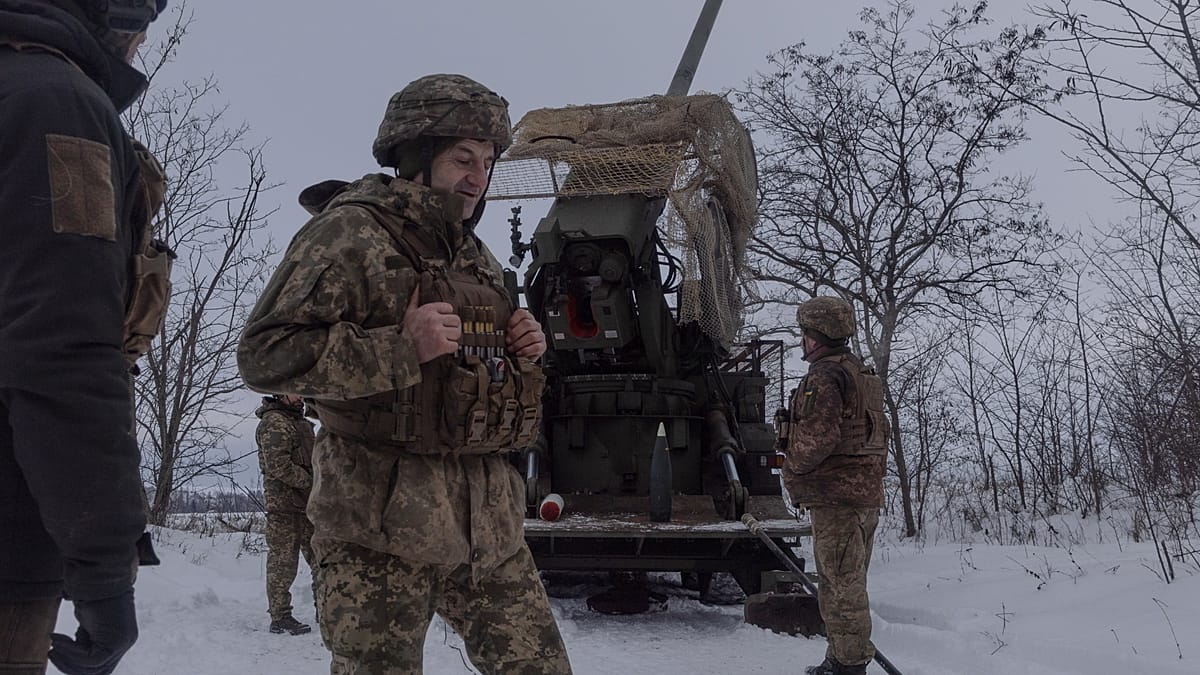
The war in Ukraine has led to a combination of trench warfare and the use of drones that has prevented a front line from moving at any important pace, Clancy said.
That’s why Europe has to prepare for the next evolution of war which should ensure that the bloc has the necessary resources for research, development and innovation, he added.