


Published on •Updated
The European Union remains the least corrupt region globally, but anti-corruption efforts have largely stalled over the past decade, according to Transparency International’s 2025 Corruption Perceptions Index released on Tuesday.
The global average has fallen to a new low of 42, while the EU’s regional average stands at 62 out of 100.
Since 2012, 13 countries in western Europe and the EU have significantly declined, and only seven have significantly improved.
Hungary scored 40 in the index, tying it with Bulgaria as the worst-performing EU member state. Romania scored 45.
The erosion of checks and balances in Hungary creates “a melting pot of corruption risks,” Flora Cresswell, regional advisor for Europe at Transparency International, told Euronews.
“With the lack of media freedom, with the independence of the judiciary being undermined, the wider rule of law system being undermined within the country, the fact that there’s also increased risk in corruption in public spending … This unfortunately means the whole framework of accountability within the country has diminished,” Cresswell explained
Denmark scored 89, Finland 88 and Sweden 80, making them the best-performing EU countries in the index.
‘Taking their eye off the ball’
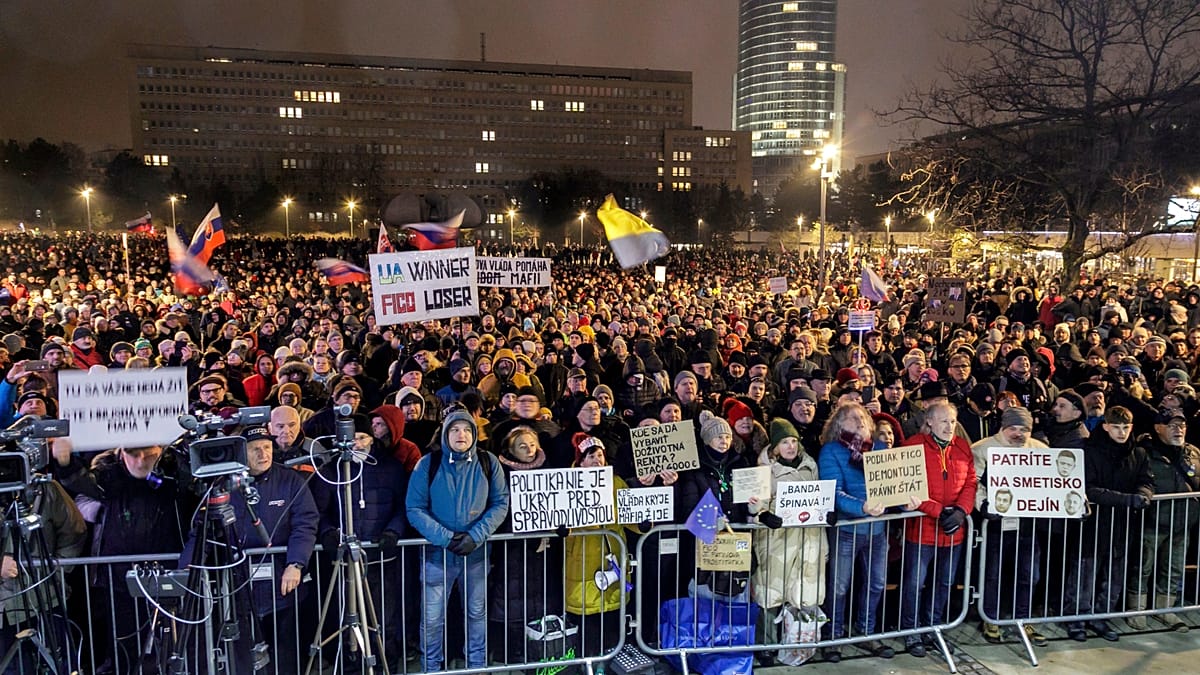
Transparency International observed backsliding trends in Slovakia, which scored 48.
“In the last year in Slovakia, there’s been campaigns within the government against the independent whistleblowing agency, impacts on the ability to investigate and prosecute against corruption being rolled back within the country,” Cresswell said.
France scored 66 and Sweden 78, both experiencing drops due to sanctions enforcement challenges and integrity scandals. The Netherlands scored 78, also showing a decline.
“Another trend is that these countries are just simply taking their eye off the ball when it comes to modernising their anti-corruption framework,” Cresswell said.
“The Netherlands and Sweden could particularly be put in that category where they just have not had strong standards when it comes to lobbying transparency or political finance transparency.”
The Baltic states’ scores increased as they implemented effective anti-corruption strategies and improved data transparency on lobbying and beneficial ownership, Cresswell said.
Anti-corruption directive
In December 2025, the EU agreed its first Anti-Corruption Directive to harmonise criminal laws on corruption.
The provisional agreement between the Council and the European Parliament established EU-wide definitions and sanctions for corruption offences.
It mandates annual publication of EU-wide corruption data and requires member states to adopt and publish national anti-corruption strategies.
Cresswell said the text is “lacking ambition” as elements such as lobbying transparency, conflict of interest rules and enhanced transparency in political finance regulation are not obligatory.
The text is expected to be adopted in March, with member states having two years to transpose the directive.


