The EU’s efforts to return irregular migrants to Afghanistan face a fundamental dilemma: how to solve the long-standing and intractable issue of the repatriation of Afghans while avoiding legitimising the Taliban, a regime the bloc has refused to formally recognise since it seized power in 2021.
ADVERTISEMENT

ADVERTISEMENT
UN and migration experts have warned that it will become increasingly difficult for the EU to maintain its boycott of a government that’s long sought diplomatic legitimacy in Europe while also managing the politically sensitive issue of Afghan returns.
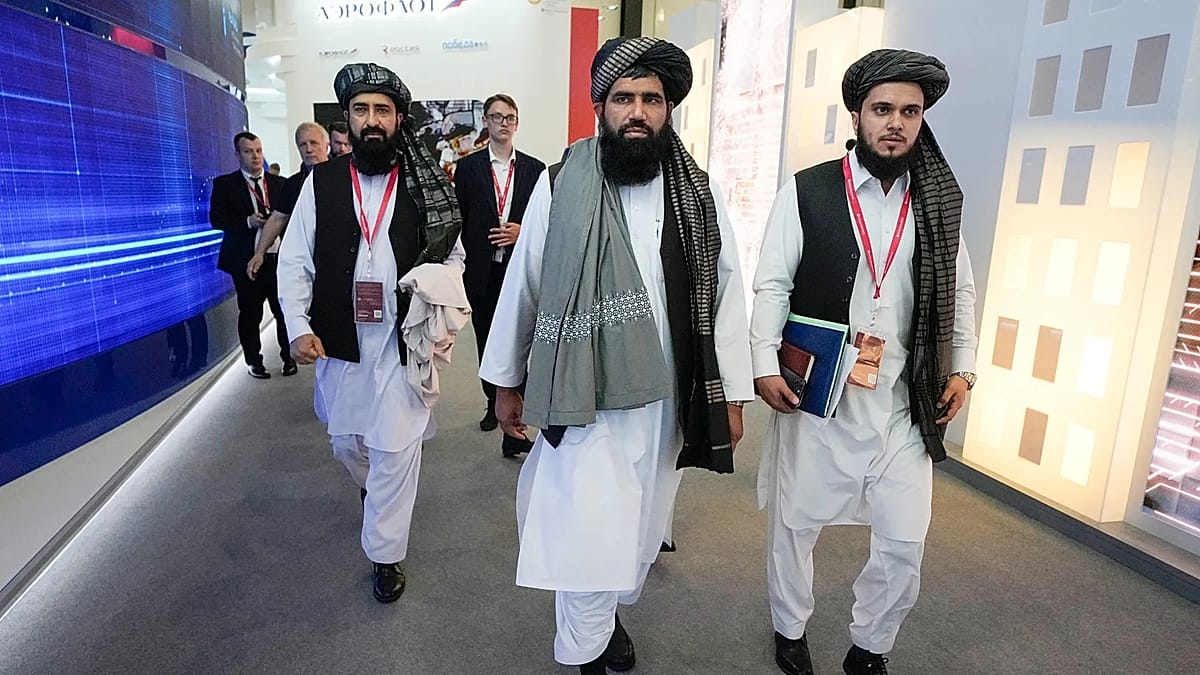
That tension was reflected on Tuesday, when officials from the European Commission and 15 member states quietly met with a Taliban delegation in Brussels in an attempt to speed up the return of irregular Afghan migrants, prioritising those “who have committed serious crimes or pose a security threat.”
The controversial meeting – held five months after a first round of talks in Kabul – marked the first time Taliban representatives had been invited to Brussels. It was immediately met with severe criticism.
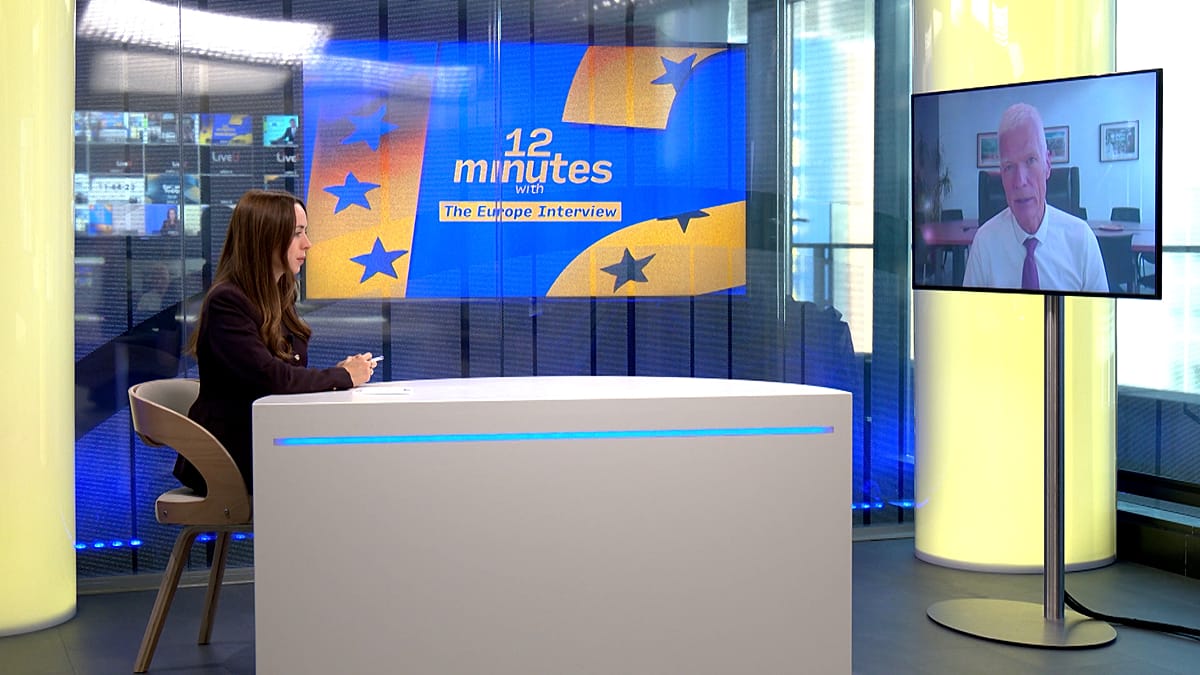
“Given the very dire human rights situation in Afghanistan, we are against forced returns,” UN High Commissioner for Human Rights Volker Türk told Euronews on Thursday. “If they have committed crimes, they need to be put to justice in Europe. […] But you cannot return people to a situation where they may be tortured,” he said.
According to the latest data, 14,270 Afghan nationals were ordered to leave the bloc in the first nine months of last year, but only 340 were actually returned, a rate of about 2 percent – well below the EU average return rate of roughly 29 percent.
International obligation
A day after the controversial meeting, EU Home Affairs Commissioner Magnus Brunner said in a press conference that it is “an international obligation for the Taliban of Afghanistan to take their people back.”
Johan Forssell, the Migration Minister of Sweden, a country which hosts one of Europe’s largest Afghan populations, defended the meeting in the local press, arguing that his government must negotiate to “protect Swedish interests”.
In principle, countries are expected to accept the return of their own nationals, not only those convicted of crimes. But in practice, Afghanistan has not done so, and is unlikely to cooperate without some form of arrangement or incentive.
While the Commissioner ruled out any possible “concessions” to the Taliban, it is clear that the de-facto rulers of Afghanistan will not be swayed easily.
A quest for legitimacy
One of their specific requests that underpins the current talks with the EU concerns the resumption of Afghan consular services in Europe, the spokesperson for Foreign Minister Abdul Qahar Balkhi said after the meeting, adding that the goal is currently “facing numerous challenges.”
Experts say establishing consular services and diplomatic representations in Europe is a key objective for Kabul’s rulers to signal domestic legitimacy and advance broader international normalisation, but also to exert control over dissident voices abroad.
Many of the Afghan embassies and consulates abroad are still disconnected from Kabul, because the staff was appointed by the former government, Amnesty International’s Afghan researcher Zaman Sultani told Euronews.
“The Taliban slowly managed to take over consulates in their region, appointing ambassadors or deputy ambassadors,” he said. “A similar trend is also coming to this part of the world.”
Behrouz Asadi, a prominent human rights activist, told Euronews that “Afghans who flee Afghanistan have been going to these consulates to get their identity certified.” But for the Taliban, it could mean “access to data related to human rights defenders, civil society and political activists who are working against the Taliban,” he said.
“Their demands are already visible: diplomatic presence, access to personal data, political legitimacy and possibly financial or organisational benefits,” Asadi said.
This access is crucial for the Taliban, especially after a recent Afghan law authorised the seizure of property belonging to regime opponents.
‘Operational engagement’
The Brussels meeting proved so controversial that the Commission and EU countries kept it largely under wraps, describing it as “operational engagement” — a policy of liaising with de facto authorities when it is deemed necessary.
Virginie Jacob, senior advisor on Migration at the Brussels-based think tank European Policy Centre (EPC) admits that any further step will be taken in a very discreet way, as liaising with the Taliban is still widely perceived as a red line by European public opinion.
“Framing the ongoing dialogue as ‘operational talks’ is an attempt to downgrade the cooperation and dodge a possible public backlash,” she told Euronews.
According to one EU diplomat, the issue is “quite sensitive” for several member states.
This was evident, for example, in Belgium, whose centre-right Foreign Minister Maxime Prévot personally opposed the decision to invite a Taliban delegation, while representatives from the Migration Ministry, led by hard-right Anneleen Van Bossuyt, took part in the meeting.
Civil society organisations harshly criticised the meeting, including with a public protest led by Amnesty International in front of the European Commission.
“EU countries seem ready to establish diplomatic channels, challenging public opinion, to achieve their goal of increasing deportations,” Jacob said. At this stage, she considers it unlikely that the EU would offer financial compensation to Kabul’s authorities, as has been the case with other third countries incentivised to take back their nationals.
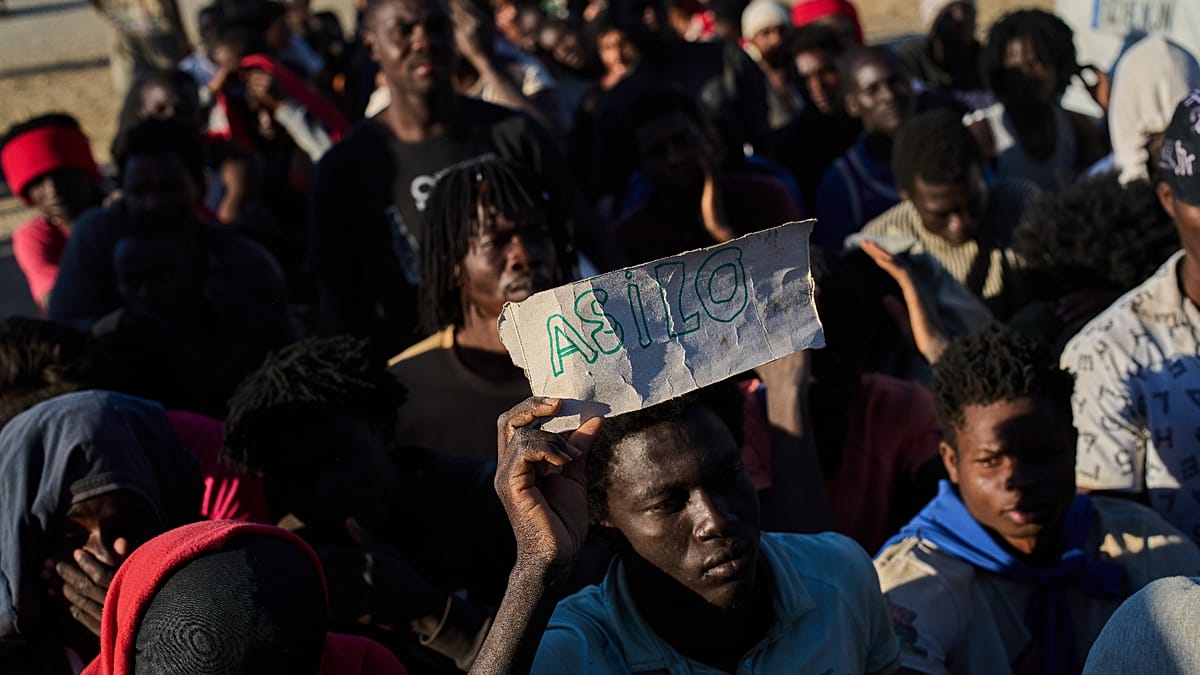
A massive wave of returns, however, could be problematic both for the country itself and for the individuals involved, raising the possibility that a new humanitarian crisis could unfold under what’s already one of the world’s most oppressive regimes.
A UN report published last November concluded that Afghanistan does not have the capacity to absorb returning nationals into its local communities due to the country’s severe conditions.
“The Taliban recently arrested more than 350 people only for trimming their beards, carrying their hair in a western style, or playing and listening to music,” Sultani said. “This country is in no way fit to return people.”
The Afghan Minister of Foreign Affairs has been contacted for this article.