Close Menu
Times Network New Zealand
  • Home
  • Local News
  • World
  • Business
  • Lifetyle
  • Entertainment
  • Technology
  • Travel
  • Food
  • Editor’s Choice
  • Press Release
What's On
Seventeen EU leaders press Irish presidency to protect farm funding in next budget

Seventeen EU leaders press Irish presidency to protect farm funding in next budget

October 4, 2026
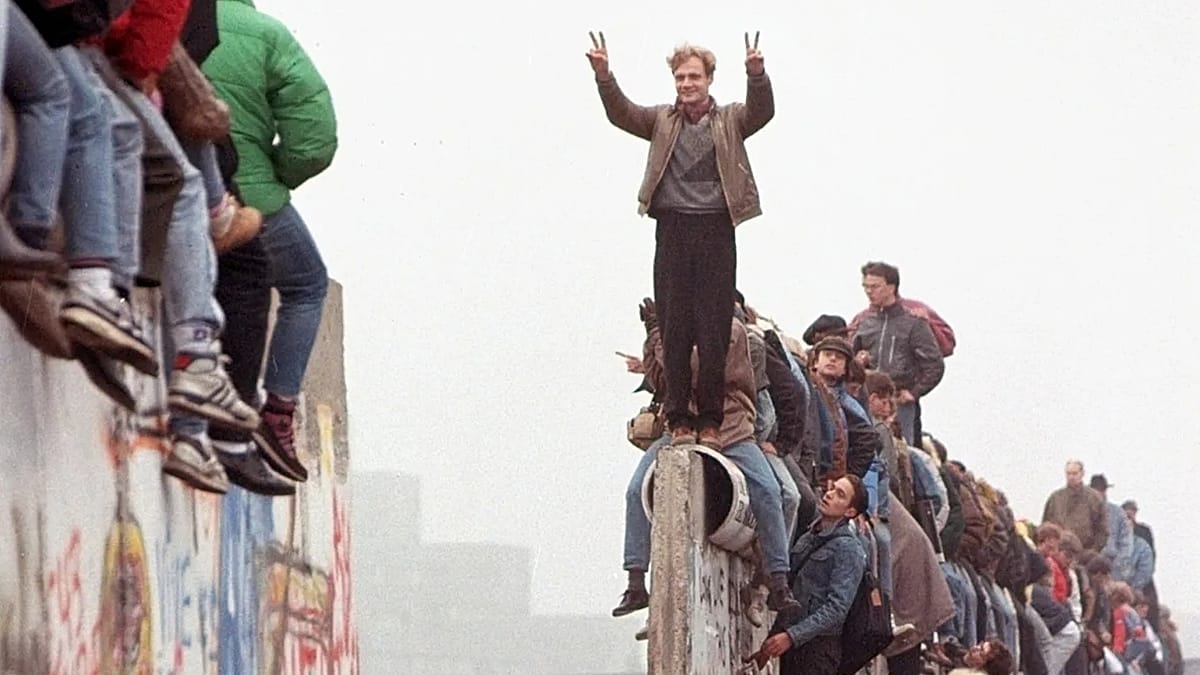
Germany marks 36 years of unity: Why was the country divided and how united is it today?

Germany marks 36 years of unity: Why was the country divided and how united is it today?

October 4, 2026
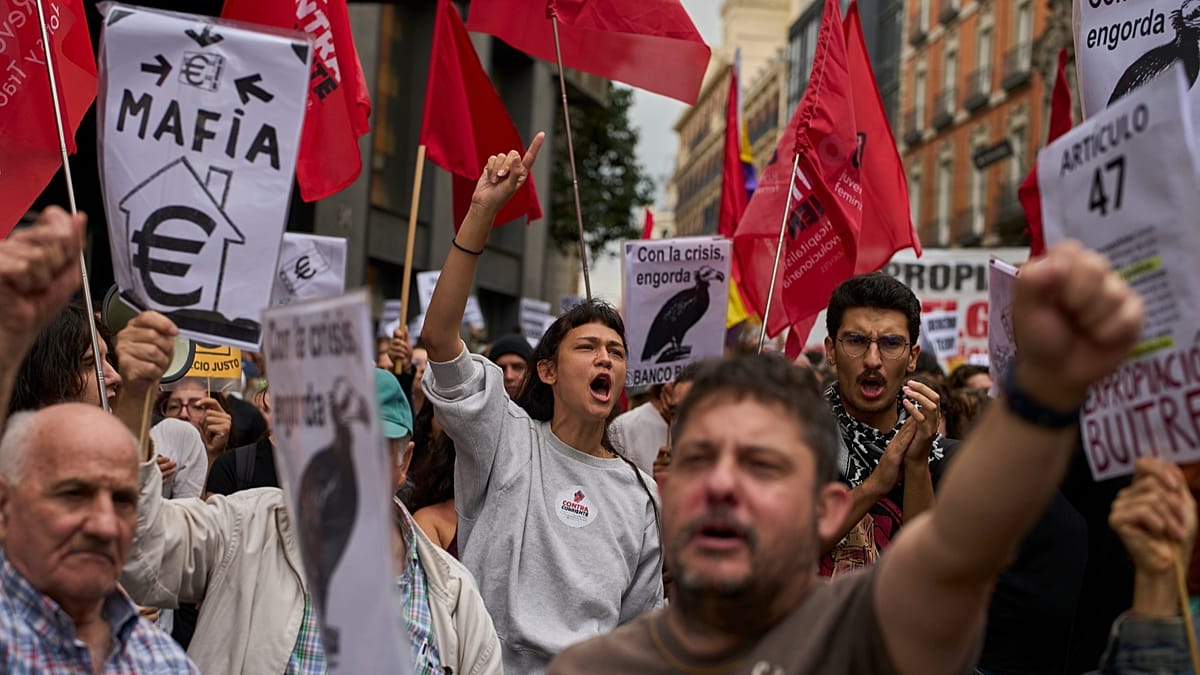
Spain faces housing protests in more than 50 cities after parliament rejects tenant protections

Spain faces housing protests in more than 50 cities after parliament rejects tenant protections

October 4, 2026
Hungarian restaurants struggle: costs match Europe but revenues lag behind

Hungarian restaurants struggle: costs match Europe but revenues lag behind

October 3, 2026
EU farmers face falling produce prices as fuel and fertiliser costs rise

EU farmers face falling produce prices as fuel and fertiliser costs rise

October 3, 2026
Facebook X (Twitter) Instagram
Web Stories
Facebook X (Twitter) Instagram
Times Network New Zealand
Subscribe
  • Home
  • Local News
  • World
  • Business
  • Lifetyle
  • Entertainment
  • Technology
  • Travel
  • Food
  • Editor’s Choice
  • Press Release
Times Network New Zealand
Home » Seventeen EU leaders press Irish presidency to protect farm funding in next budget
World

Seventeen EU leaders press Irish presidency to protect farm funding in next budget

By Press RoomOctober 4, 20264 Mins Read
Seventeen EU leaders press Irish presidency to protect farm funding in next budget
Share
Facebook Twitter LinkedIn Pinterest Email

The leaders of 17 European Union countries have sent a letter to Taoiseach Micheál Martin, in his capacity as current president-in-office of the Council of the European Union, calling for agriculture to be given priority ahead of the revision of the Negotiating Box, the document drawn up by the presidency to steer and progressively narrow down negotiations on the EU’s long-term budget.

ADVERTISEMENT


ADVERTISEMENT

As negotiations on the 2028-2034 Multiannual Financial Framework (MFF) enter a decisive phase, the leaders of Bulgaria, Cyprus, Croatia, Estonia, Greece, Italy, Latvia, Lithuania, Malta, Poland, Portugal, the Czech Republic, Romania, Slovakia, Slovenia, Spain and Hungary have sent “some reflections ahead of the forthcoming revision of the Negotiating Box”.

“We fully recognise that the European Union is facing an evolving strategic environment, which brings with it new challenges but also new opportunities for joint European action,” reads the letter, whose first signatories are Italian Prime Minister Giorgia Meloni and Romanian President Nicușor Dan.

“The next MFF must enable Europe to seize these opportunities while at the same time responding to growing challenges, including security and defence, competitiveness, connectivity, energy security and resilience. At the same time, this must not come at the expense of treaty-based policies, which remain the backbone of European integration and themselves help to address these new challenges,” the European leaders write.

“Therefore, the overall volume set out in the Negotiating Box of the Cypriot presidency remains the relevant basis for dealing effectively with all these financing needs. This is not the time for Europe to lower its ambitions,” the heads of state and government add.

The leaders go on to stress that cohesion policy and the Common Agricultural Policy (CAP) are long-standing policies, but that their objectives are more relevant than ever. “They promote convergence between member states and regions, strengthen the single market and support rural and less developed areas. They also contribute to Europe’s competitiveness and food security, while providing tangible support to millions of European citizens and demonstrating the added value of common European spending.”

In their view, both policies have repeatedly adapted to new economic and social realities while remaining true to their treaty objectives. They also generate direct and indirect benefits for the economies of the entire European Union.

“We therefore believe that overall funding for cohesion policy and the CAP should be preserved in the next MFF. As underlined in our Joint Declaration of 26 May, these policies are already facing real-terms cuts under the Commission’s proposal, despite the overall increase in the size of the MFF. A further reduction would not modernise the EU budget; it would merely weaken it and risk undermining public support for the European project. Moreover, the new MFF already entails a fundamental transformation of its structure, programming and spending approach,” they explain.

The leaders also argue that Europe’s new priorities require appropriate additional resources, while funding for agriculture and cohesion must be safeguarded.

They also say they are ready to work constructively on the revenue side, including on proposals for new own resources that would ease the direct pressure on national budgets. “Such resources should be genuine, fair, simple and non-regressive, in line with our May declaration. We will carefully assess the adjustments to the proposals that the Commission has committed to present,” the letter continues.

According to the leaders of the 17 signatory countries, options that should be considered include a more gradual repayment of NextGenerationEU, which could create additional fiscal space in the next MFF, subject to an assessment of its impact on the overall cost of repayment, as well as limited and targeted European debt instruments for clearly identified strategic priorities, in line with the May declaration.

For the leaders, the current system of rebates should have no place in the next MFF. The rebates were intended to address an excessive burden on the contributions of certain member states. The circumstances that originally justified these corrections, they argue, have fundamentally changed. When assessing national contributions, account should be taken not only of their absolute level but also of the differing levels of prosperity of the member states and the relative effort required of each of them, the leaders conclude, saying they remain open to working with the Council presidency.
Share. Facebook Twitter Pinterest LinkedIn Tumblr Email

Keep Reading

Germany marks 36 years of unity: Why was the country divided and how united is it today?

Germany marks 36 years of unity: Why was the country divided and how united is it today?

Spain faces housing protests in more than 50 cities after parliament rejects tenant protections

Spain faces housing protests in more than 50 cities after parliament rejects tenant protections

Hungarian restaurants struggle: costs match Europe but revenues lag behind

Hungarian restaurants struggle: costs match Europe but revenues lag behind

EU farmers face falling produce prices as fuel and fertiliser costs rise

EU farmers face falling produce prices as fuel and fertiliser costs rise

France and Germany lead push to keep military space powers in national hands

France and Germany lead push to keep military space powers in national hands

Tension rises in Ceuta: two migrant children stabbed and bacteria-contaminated beach

Tension rises in Ceuta: two migrant children stabbed and bacteria-contaminated beach

Russia ‘tearing Kyiv apart’, mayor says, as strikes paralyse traffic

Russia ‘tearing Kyiv apart’, mayor says, as strikes paralyse traffic

Putin says all weapons ‘on agenda’ if Russia’s Kaliningrad attacked

Putin says all weapons ‘on agenda’ if Russia’s Kaliningrad attacked

G7 agrees 100 million-barrel emergency oil release amid US pressure over diesel

G7 agrees 100 million-barrel emergency oil release amid US pressure over diesel

Editors Picks
Germany marks 36 years of unity: Why was the country divided and how united is it today?

Germany marks 36 years of unity: Why was the country divided and how united is it today?

October 4, 2026
Spain faces housing protests in more than 50 cities after parliament rejects tenant protections

Spain faces housing protests in more than 50 cities after parliament rejects tenant protections

October 4, 2026
Hungarian restaurants struggle: costs match Europe but revenues lag behind

Hungarian restaurants struggle: costs match Europe but revenues lag behind

October 3, 2026
EU farmers face falling produce prices as fuel and fertiliser costs rise

EU farmers face falling produce prices as fuel and fertiliser costs rise

October 3, 2026
Latest News
Seventeen EU leaders press Irish presidency to protect farm funding in next budget

Seventeen EU leaders press Irish presidency to protect farm funding in next budget

October 4, 2026
Germany marks 36 years of unity: Why was the country divided and how united is it today?

Germany marks 36 years of unity: Why was the country divided and how united is it today?

October 4, 2026
Spain faces housing protests in more than 50 cities after parliament rejects tenant protections

Spain faces housing protests in more than 50 cities after parliament rejects tenant protections

October 4, 2026
Facebook X (Twitter) Pinterest TikTok Instagram
© 2026 Times Network New Zealand. All Rights Reserved.
  • Privacy Policy
  • Terms
  • Advertise
  • Contact

Type above and press Enter to search. Press Esc to cancel.