
Times Network New Zealand
  • Home
  • Local News
  • World
  • Business
  • Lifetyle
  • Entertainment
  • Technology
  • Travel
  • Food
  • Editor’s Choice
  • Press Release
What's On
European Commission piles up concessions for Paris and Rome hoping to seal Mercosur signature

European Commission piles up concessions for Paris and Rome hoping to seal Mercosur signature

January 8, 2026
How Ukraine is shaping the European response to Trump’s Greenland threats

How Ukraine is shaping the European response to Trump’s Greenland threats

January 8, 2026
Venezuela’s sovereignty is not negotiable — and France should rearm

Venezuela’s sovereignty is not negotiable — and France should rearm

January 8, 2026
Is Havana next? After Maduro’s removal, Cuba loses an ally and fears economic disaster

Is Havana next? After Maduro’s removal, Cuba loses an ally and fears economic disaster

January 8, 2026
How an information vacuum about Maduro’s capture was filled with deepfakes and AI

How an information vacuum about Maduro’s capture was filled with deepfakes and AI

January 8, 2026
Facebook X (Twitter) Instagram
Web Stories
Facebook X (Twitter) Instagram
Times Network New Zealand
Subscribe
  • Home
  • Local News
  • World
  • Business
  • Lifetyle
  • Entertainment
  • Technology
  • Travel
  • Food
  • Editor’s Choice
  • Press Release
Times Network New Zealand
Home » Amid severe mental health strains, how are EU countries responding?
World

Amid severe mental health strains, how are EU countries responding?

By Press RoomOctober 23, 20252 Mins Read
Amid severe mental health strains, how are EU countries responding?
Share
Facebook Twitter LinkedIn Pinterest Email
Amid severe mental health strains, how are EU countries responding?

One in five adults across OECD and EU countries experiences mild-to-moderate depressive symptoms, according to the OECD’s Mental Health Promotion and Prevention report.

The symptoms often go unrecognised and untreated, increasing the risk of progression to more severe conditions and raising overall societal costs.

Czechia, Hungary, Ireland, Italy, Luxembourg, and Portugal report a higher prevalence of moderate or severe depressive symptoms among native-born individuals.

Women are more vulnerable to mental illnesses during turning point events, such as pregnancy and postpartum.

The prevalence of postpartum depression was estimated at 16.6% for Central-Eastern Europe, 16.3% for Southern Europe, and 13.8% for Northern Europe, according to the study.

The total cost of mental health problems was estimated at 4% of GDP across the 27 EU countries and the UK in 2015.

The medical cost of treating mental illnesses may be as much as 20 times higher, depending on the level of severity.

A German study found that in 2019, the six-month treatment cost of mental disorders was estimated at €511 for mild symptoms, €2,417 for moderate symptoms, and €10,485 for severe symptoms.

The cost of treatment, travelling long distances, and waiting times to see a medical professional are major barriers for people seeking help for mental health issues.

On average, two-thirds of individuals who need mental health care are estimated to lack access to treatment in OECD countries and the 27 EU member states.

Mental health initiatives across the EU

However, some EU countries have initiatives for access to mental health support that can reduce the severity and duration of symptoms by up to 87%.

By the end of 2023, 14 out of 27 member states had mental health services that can be accessed directly without referral at the national or regional level.

For example, the Netherlands has created youth walk-in centres, such as the programme @Ease, which trains students and front-line professionals to help young adults with mental distress.

Meanwhile, in Belgium, there has been a reduction in access barriers by reimbursing the cost of psychological therapy either in part or in full, as well as the establishment of networks for mental health professionals across schools, workplaces, and social services.

These interventions have resulted in a rise in school attendance and reduced work absenteeism, with reported gains ranging from 50% to 61%.

Some other examples are post-partum depression screenings in Poland and online tools in Germany.
Share. Facebook Twitter Pinterest LinkedIn Tumblr Email

Keep Reading

European Commission piles up concessions for Paris and Rome hoping to seal Mercosur signature

European Commission piles up concessions for Paris and Rome hoping to seal Mercosur signature

How Ukraine is shaping the European response to Trump’s Greenland threats

How Ukraine is shaping the European response to Trump’s Greenland threats

Venezuela’s sovereignty is not negotiable — and France should rearm

Venezuela’s sovereignty is not negotiable — and France should rearm

Is Havana next? After Maduro’s removal, Cuba loses an ally and fears economic disaster

Is Havana next? After Maduro’s removal, Cuba loses an ally and fears economic disaster

How an information vacuum about Maduro’s capture was filled with deepfakes and AI

How an information vacuum about Maduro’s capture was filled with deepfakes and AI

Do Europeans believe their pensions will still exist when they retire?

Do Europeans believe their pensions will still exist when they retire?

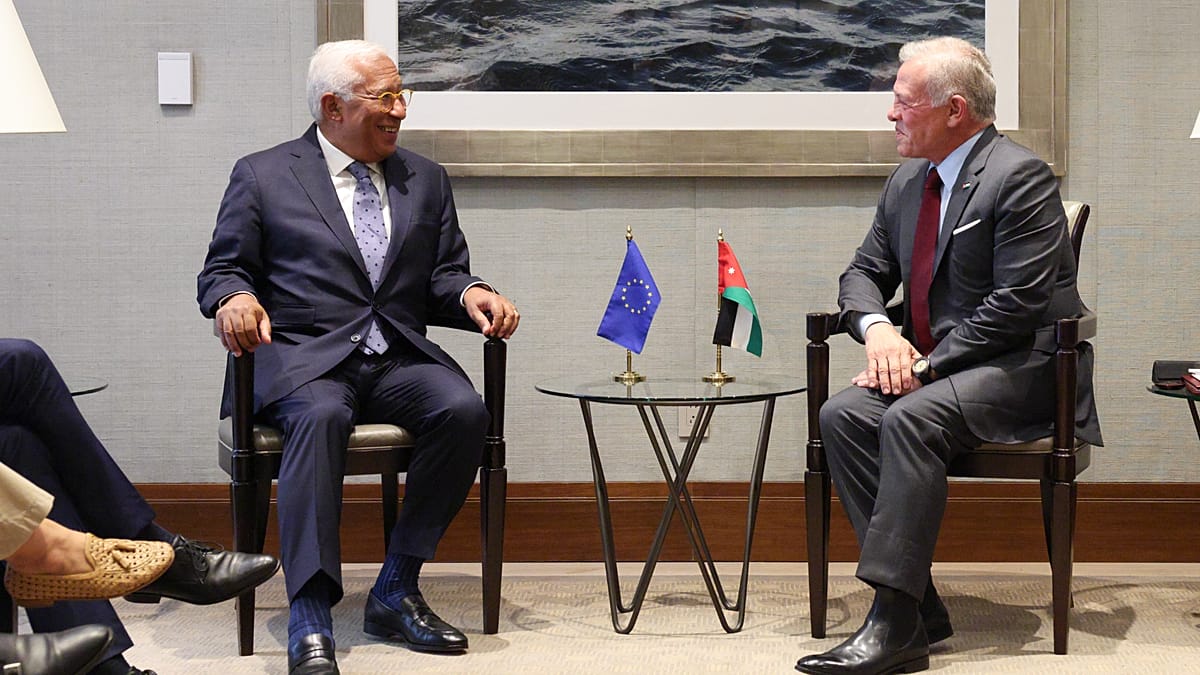
What to expect for the first ever EU-Jordan summit

What to expect for the first ever EU-Jordan summit

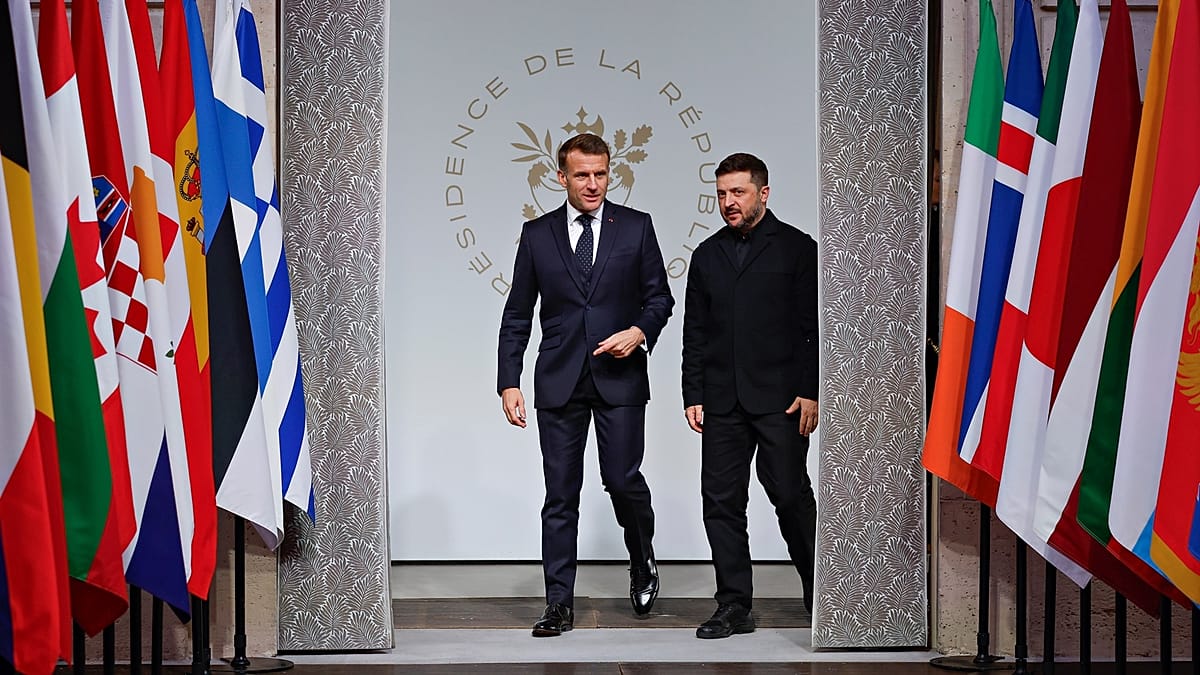
France and UK confirm boots on the ground after ceasefire in Ukraine

France and UK confirm boots on the ground after ceasefire in Ukraine

Confused and divided: Where do Europe’s citizens stand on the Ukraine peace plan?

Confused and divided: Where do Europe’s citizens stand on the Ukraine peace plan?

Editors Picks
How Ukraine is shaping the European response to Trump’s Greenland threats

How Ukraine is shaping the European response to Trump’s Greenland threats

January 8, 2026
Venezuela’s sovereignty is not negotiable — and France should rearm

Venezuela’s sovereignty is not negotiable — and France should rearm

January 8, 2026
Is Havana next? After Maduro’s removal, Cuba loses an ally and fears economic disaster

Is Havana next? After Maduro’s removal, Cuba loses an ally and fears economic disaster

January 8, 2026
How an information vacuum about Maduro’s capture was filled with deepfakes and AI

How an information vacuum about Maduro’s capture was filled with deepfakes and AI

January 8, 2026
Latest News
European Commission piles up concessions for Paris and Rome hoping to seal Mercosur signature

European Commission piles up concessions for Paris and Rome hoping to seal Mercosur signature

January 8, 2026
How Ukraine is shaping the European response to Trump’s Greenland threats

How Ukraine is shaping the European response to Trump’s Greenland threats

January 8, 2026
Venezuela’s sovereignty is not negotiable — and France should rearm

Venezuela’s sovereignty is not negotiable — and France should rearm

January 8, 2026
Facebook X (Twitter) Pinterest TikTok Instagram
© 2026 Times Network New Zealand. All Rights Reserved.
  • Privacy Policy
  • Terms
  • Advertise
  • Contact

Type above and press Enter to search. Press Esc to cancel.