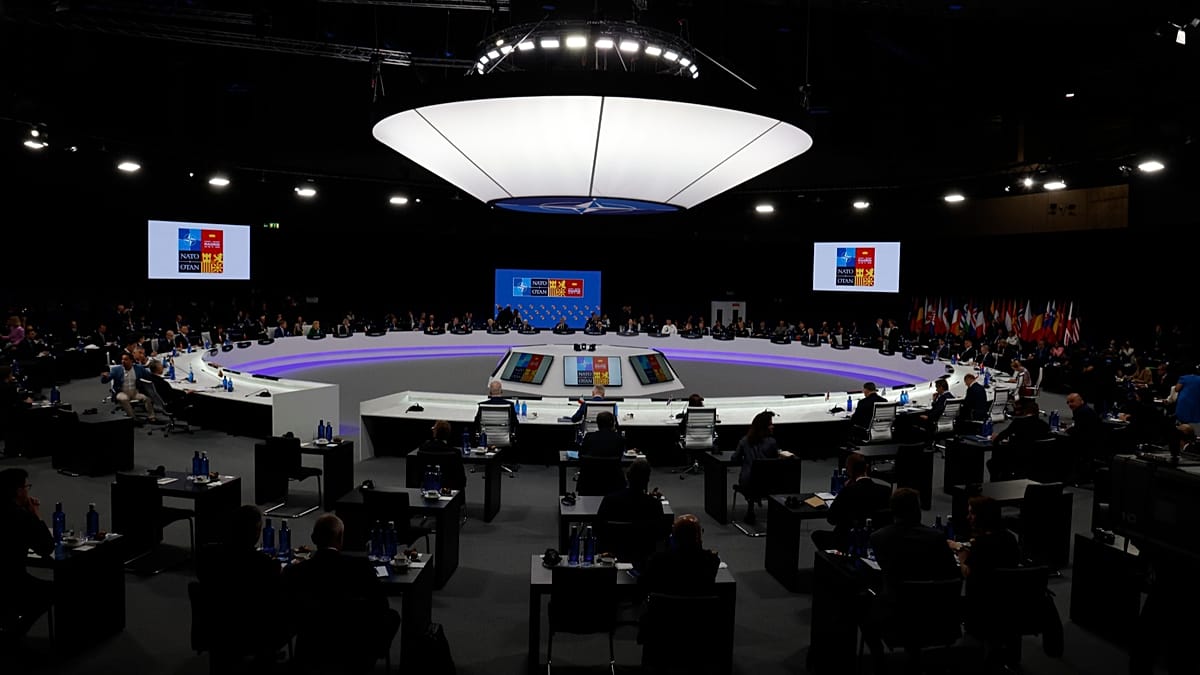
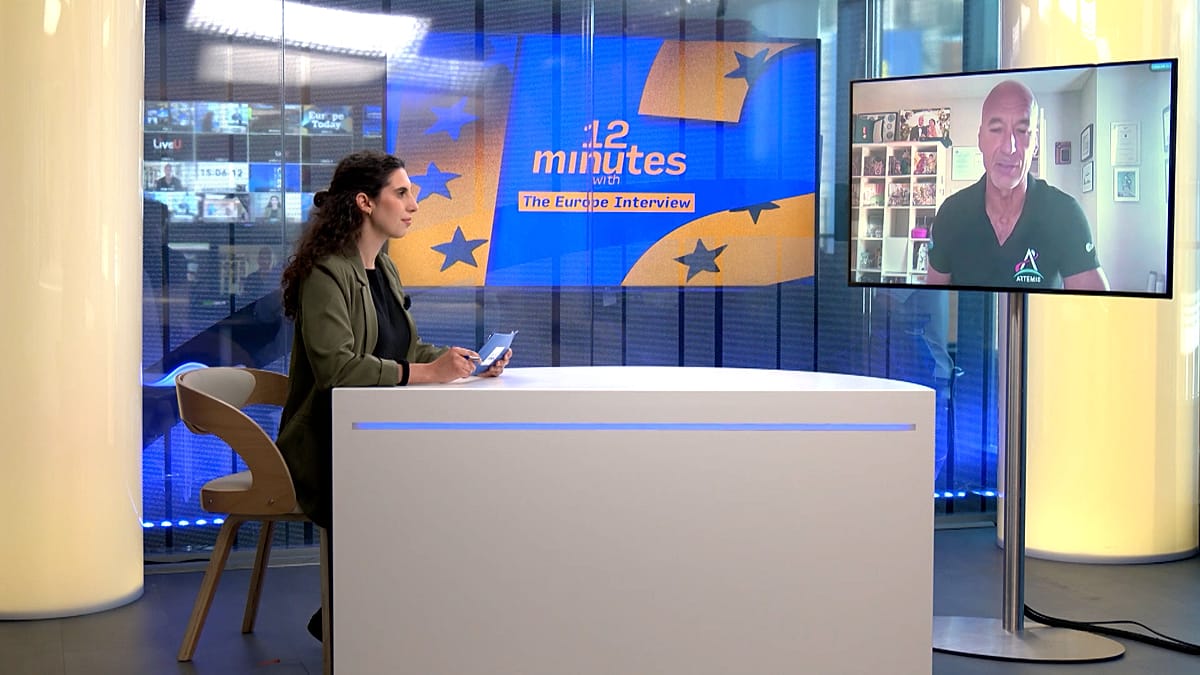
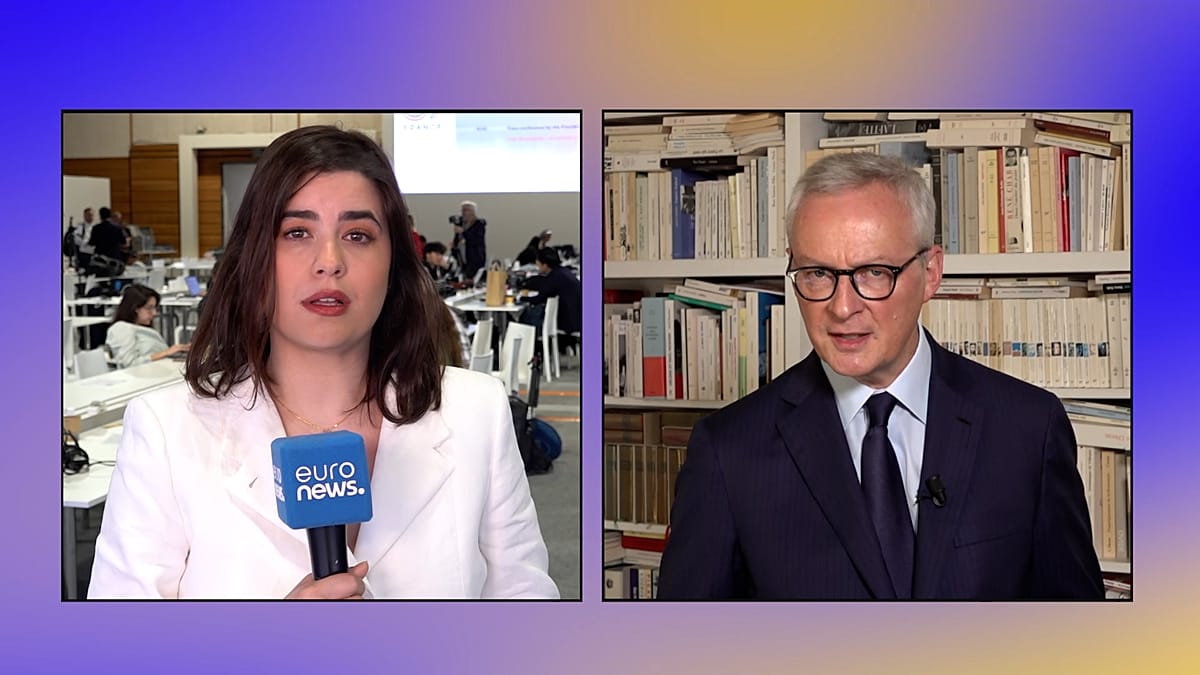
Working with a coalition of six core European countries instead of 27 is the best way to reinforce Europe, former French Economy Minister Bruno Le Maire told Euronews on the sidelines of the G7 summit in Évian, France.
ADVERTISEMENT

ADVERTISEMENT
His comments come as the European Union looks for ways to streamline its decision-making process and become more agile on key issues from defence to foreign policy.
“The single lesson that all the European leaders must draw from the past months, and I would say from the last two years, is that if they want to be relevant and strong, they need to be united. And they don’t need to unite with 27 member states,” he said in a Euronews interview.
“They need to give a new impetus to the European construction by building a European [project] with six core countries,” Le Maire, who was the longest-serving economy and finance minister since World War II and the shortest-serving minister for armed forces, note
Le Maire listed France, Germany, Italy, Spain, Poland, and the Netherlands — the EU’s six largest economies — as the states that should band together to discuss key issues facing the bloc, ranging from the Iran conflict and support for Ukraine to chip manufacturing on European soil and nuclear energy.
“Six countries instead of 27 countries is the best way of reinforcing Europe, of facing the threats posed by many empires around the world, and getting some concrete results,” he said.
Le Maire pointed to the pressure from the US administration against the EU, including tariffs and threats over regulatory standards, in response to Brussels’ antitrust fines and digital regulations targeting American tech giants like Google and Amazon.
“We can no longer accept being blackmailed […]. The way President Trump and the US administration are saying, ‘You should get rid of the taxation of Google, Amazon, Facebook, and Microsoft, otherwise, I will hit you with new tariffs,’ is 100% unacceptable among allies,” he said.
“If we want to resist that kind of threat, that kind of blackmail […] the six strongest European member states must stand united […]. If we are divided, you cannot resist that pressure,” he said.
“If you stand united, explaining that it will be difficult for the US to gain access to the European market if they do not respect Europe as a partner, that is the best way of getting some concrete results.”
Too much talk, too few decisions
Often held up by a principle of unanimity, Le Maire told Euronews that involving 27 countries to form a consensus on EU decision-making means “long talks and very few decisions”, while what is needed now is “strong decisions and fewer talks.”
He envisioned a structure in which the six core countries move forward on matters, and “then the 21 other member states, if they want to join, they will join,” adding, “first of all, let’s move on.”
The idea of this coalition is not new. In fact, it already exists in some shape or form.
Earlier this year, the finance ministers of Germany, France, Italy, the Netherlands, Poland and Spain launched a new coalition, dubbed the “E6”, to push for “decisive action and swift progress” in four strategic areas: defence, supply chains, the Savings and Investments Union, and strengthening the euro internationally.
“We are providing the impetus, and other countries are welcome to join us,” German Finance Minister Lars Klingbeil said at the time. The President of the European Commission, Ursula von der Leyen, endorsed this two-speed Europe concept as a way of bolstering the European economy.
In May, the E6 signed a joint letter calling for an acceleration of the Capital Markets Union (CMU) in an attempt to get a deal through a politically stagnant Brussels.
The CMU aims at creating a single, integrated market for capital across all 27 member states to service companies, investors and consumers.