

Author: Press Room

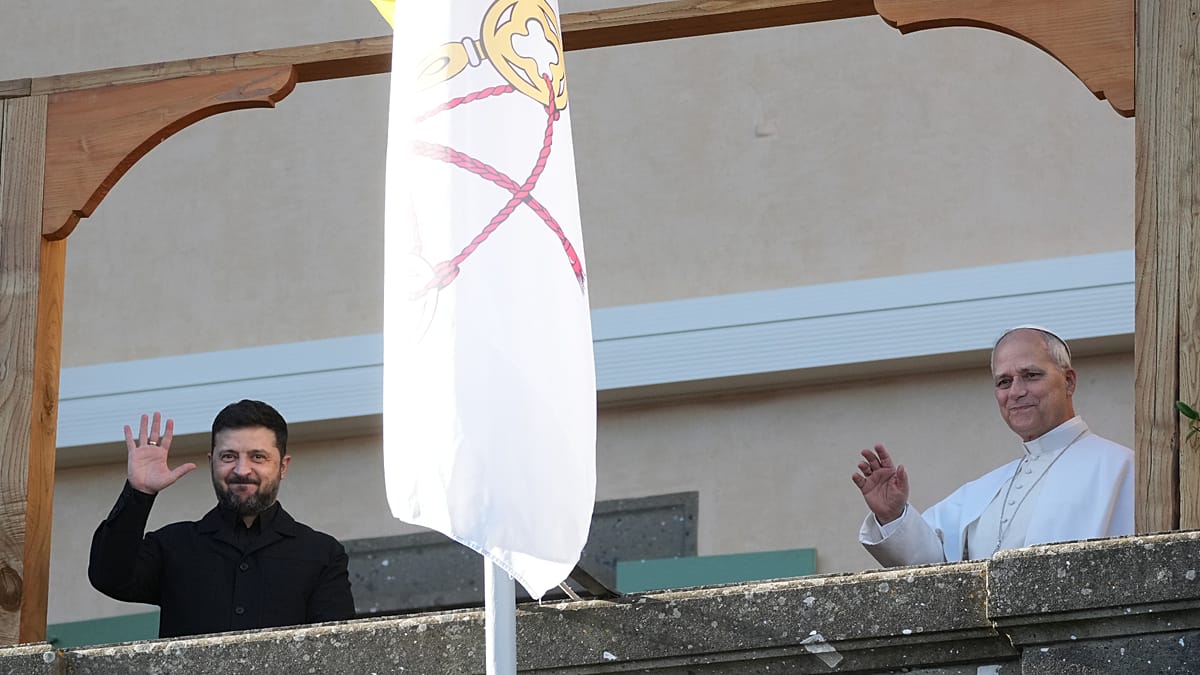
Pope Leo XIV held a call with Ukrainian President Volodymyr Zelenskyy late on Monday afternoon, just days after he spoke with Russian leader Vladimir Putin, the Vatican said. ADVERTISEMENT ADVERTISEMENT During his conversation with Putin, the pontiff had called for a humanitarian truce in Oleshky, a city under Russian siege, to allow food and medical aid to arrive and for civilians to be evacuated safely. According to a statement from the Vatican’s Press Office, Oleshky was also the focus of his talks with Zelenskyy. “During the conversation, the Holy Father drew attention to the serious situation in the city of…
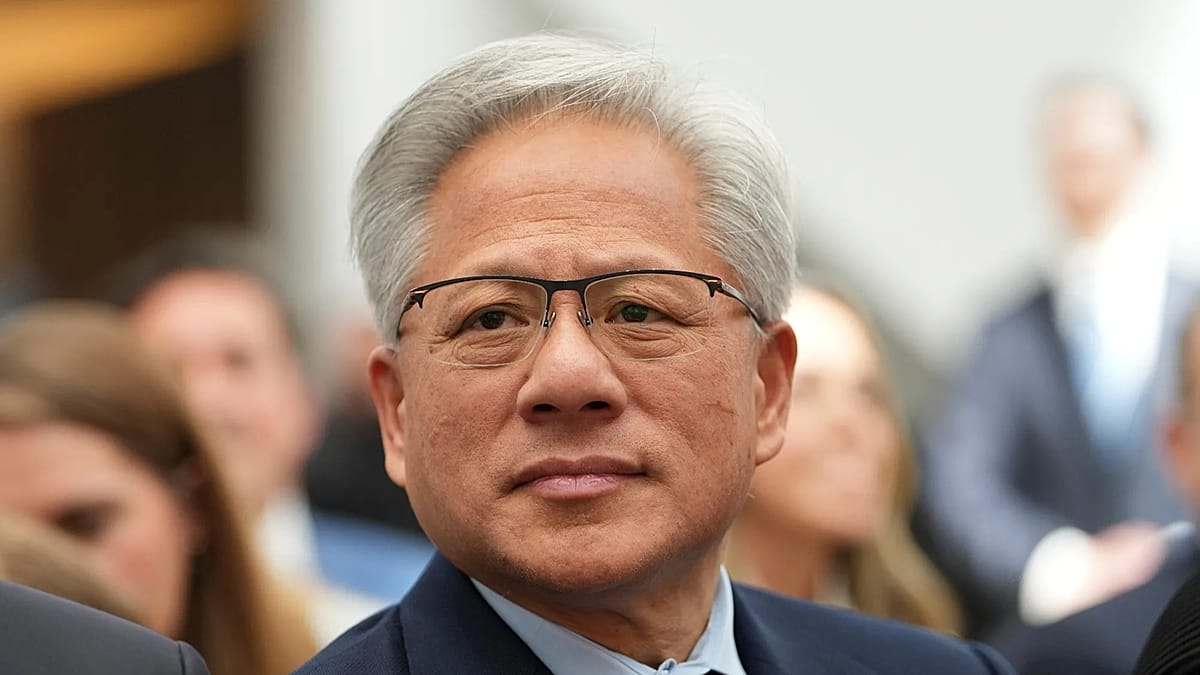
Published on 19/10/2026 – 23:12 GMT+2 Nvidia CEO Jensen Huang warned that Germany is falling behind in the artificial intelligence race as he spoke to members of the media in London last week. ADVERTISEMENT ADVERTISEMENT Despite its strong potential and wealth of talent, Huang believes progress in Europe is being blocked by too much hesitation and analysis and has called on policymakers to be quicker to put AI into practice. In response to concerns about the country’s technological competitiveness, the German government has been planning closer cooperation with the US company. At the Invest in Germany investment summit in Berlin…
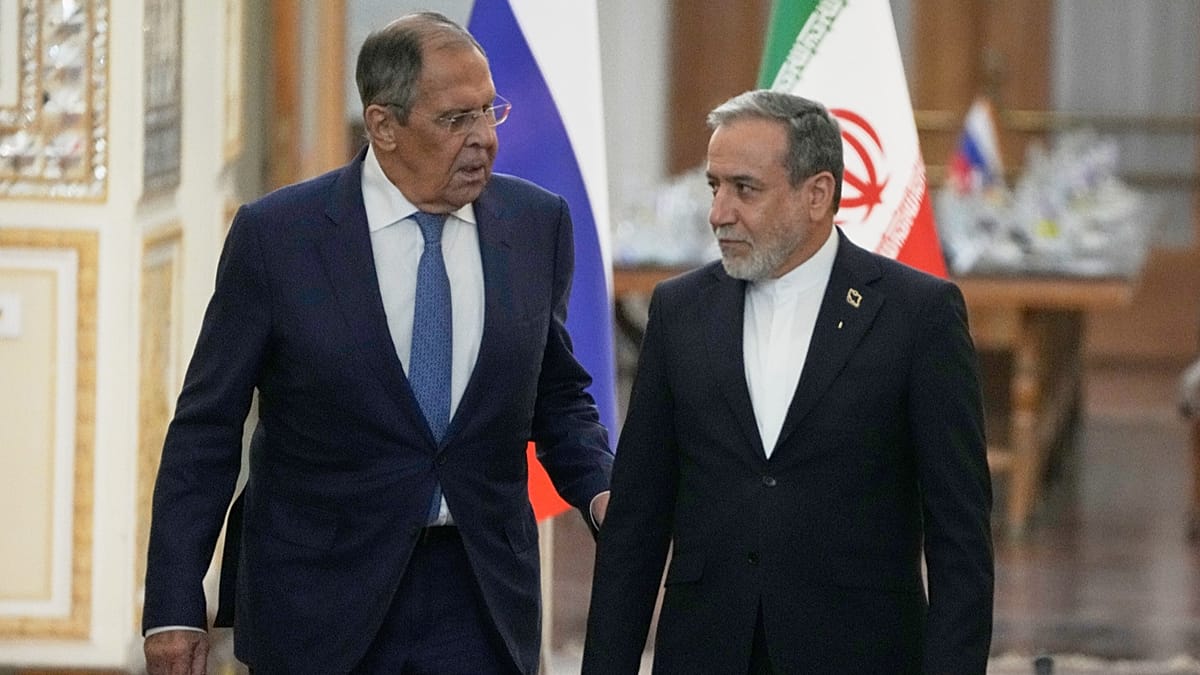
Published on 19/10/2026 – 21:20 GMT+2 “I am confident that Iran’s cause, like Russia’s, is a just cause,” Russian Foreign Minister Sergei Lavrov said on Monday at a joint press conference in Tehran with his Iranian counterpart, Abbas Araghchi. ADVERTISEMENT ADVERTISEMENT Lavrov accused Washington and Israel of launching what he described as an unprovoked military campaign against the country whilst reaffirming Moscow’s commitment to continue supporting Tehran. His remarks came hours after US President Donald Trump defended easing economic pressure on Moscow, arguing that further sanctions could jeopardise negotiations to end the war in Ukraine. He said he also wanted…
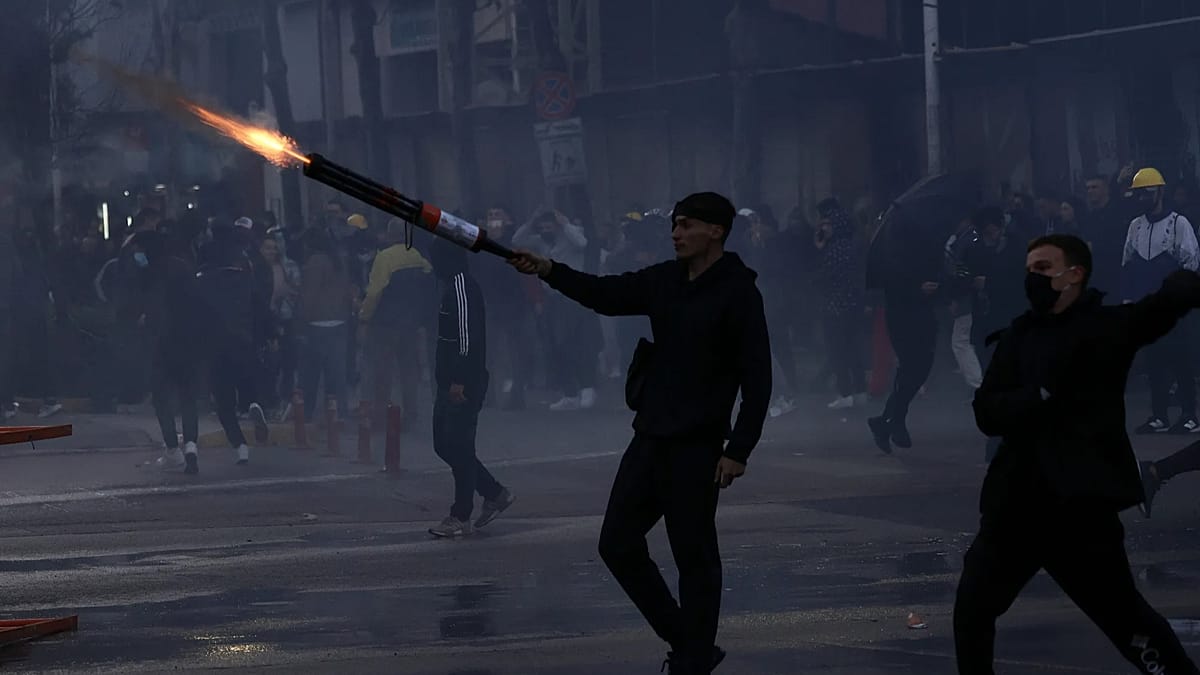
Published on 19/10/2026 – 19:51 GMT+2 Edi Rama has accused some of those taking part in anti-government protests in Albania as having crossed a “red line” as demonstrations continued across the country on Monday. ADVERTISEMENT ADVERTISEMENT Anti-government “Flamingo” protests have been ongoing in Albania for months amid calls for Rama to resign as prime minister, but clashes ramped up early last week as a student movement calling for action over high tuition fees launched fresh demonstrations. “Protests are a right, whereas violence is a crime, and this red line will be drawn firmly at this critical stage of our democratic…
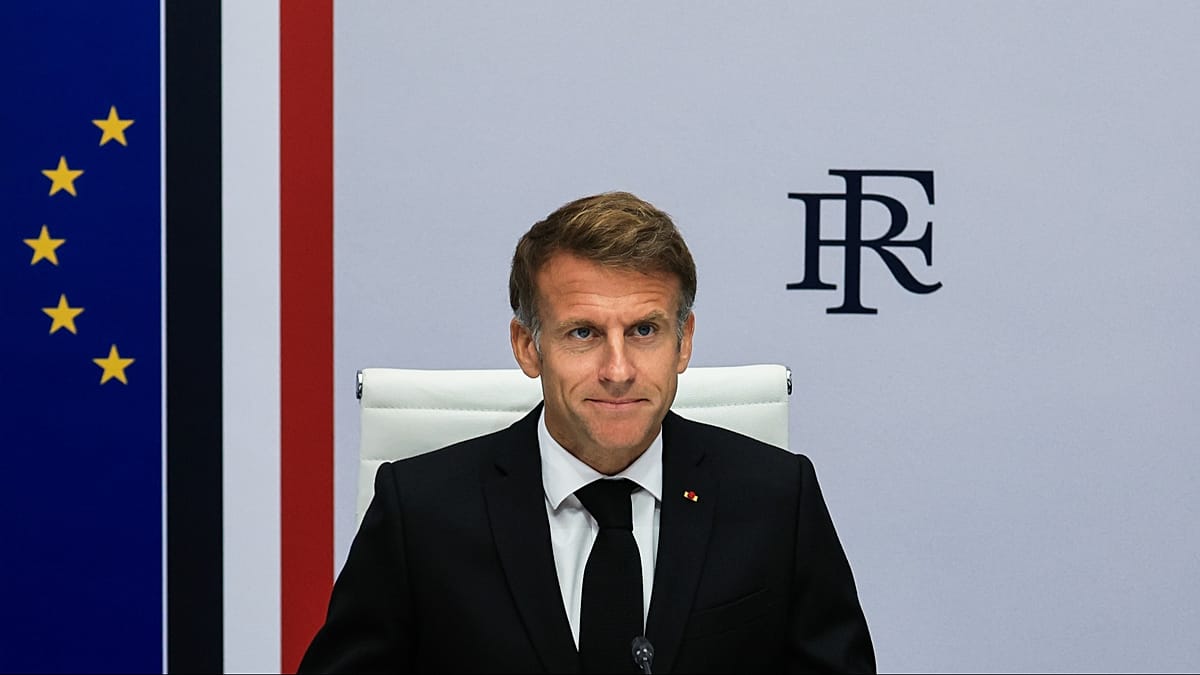
With only months left in his presidency, Emmanuel Macron faces mounting social unrest and political criticism that could ultimately shape his legacy. ADVERTISEMENT ADVERTISEMENT After student protests over living conditions erupted into violence last Saturday, Macron has come under fire from across the political spectrum over his handling of the security situation and his response to grievances over education, the cost of living and inflation. The unrest comes as France grapples with record public debt, soaring fuel prices and escalating international conflicts. The Yellow Vests movement, which has helped coordinate the protests, announced a “second act” on Monday, with further…
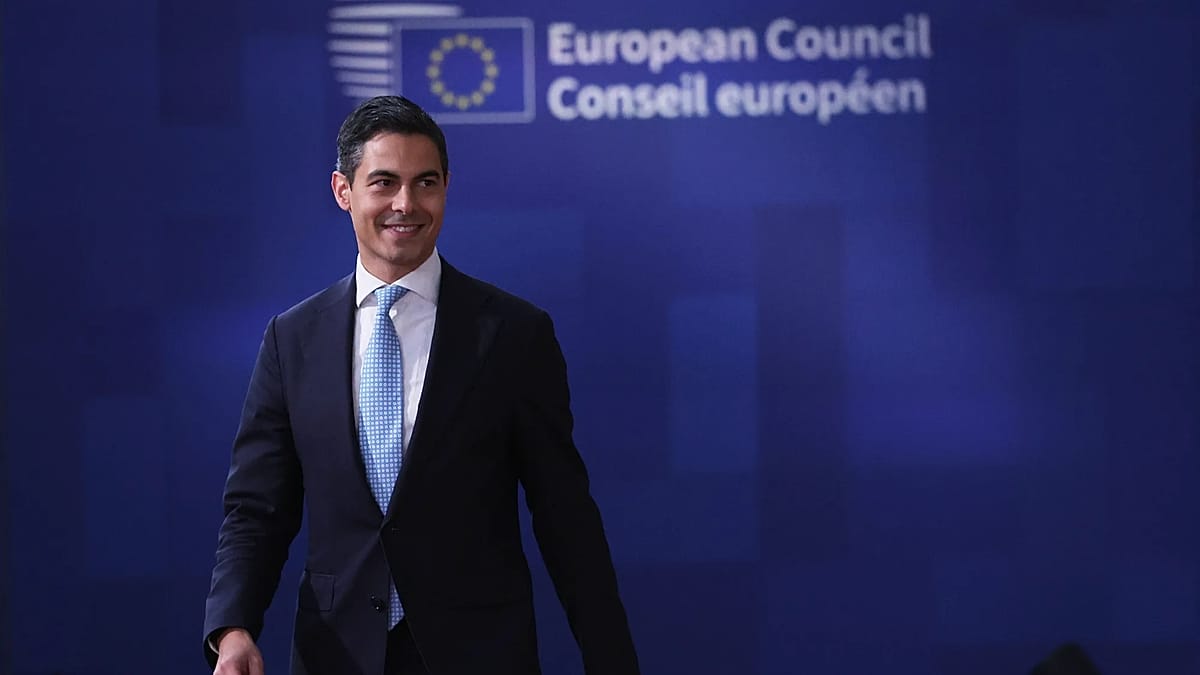
Published on 19/10/2026 – 17:55 GMT+2 Dutch Prime Minister Rob Jetten and his partner, Argentine field hockey player Nicolás Keenan, are expecting their first child, the couple announced on Monday. ADVERTISEMENT ADVERTISEMENT “Someone very special is on the way. See you in 2027, little one,” they wrote in a post on Instagram. “There are no words big enough to thank our eggdonor, our surrogate mum Lisa and both their families. None of this would be possible without you,” they added. Jetten’s party, D66, has also released a statement, saying the pregnancy was made possible thanks to a couple they are…
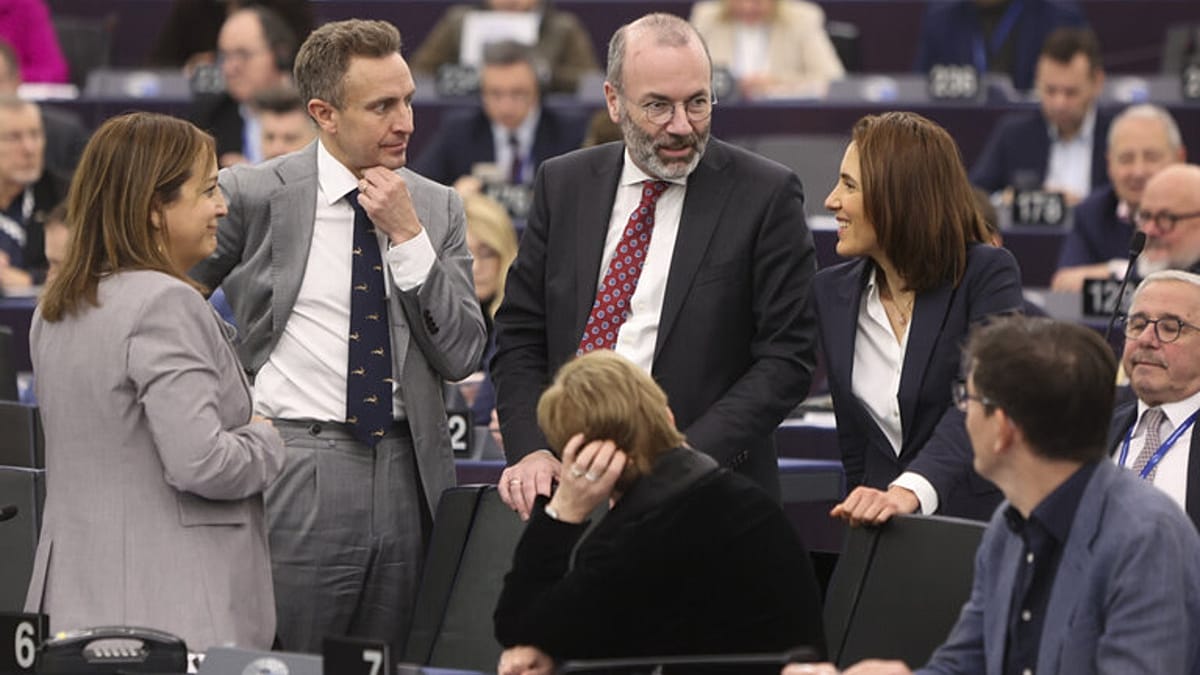
Published on 19/10/2026 – 17:19 GMT+2•Updated 17:20 The three political groups underpinning the European Parliament’s centrist majority are set to re-elect their leaders on Tuesday, with little prospect of surprises despite growing tensions within their alliance. ADVERTISEMENT ADVERTISEMENT The European People’s Party (EPP), the Socialists and Democrats (S&D) and the liberal Renew Europe group will hold internal leadership elections in Strasbourg on 20 October, with the outcomes all but a foregone conclusion. The EPP is expected to re-elect German Manfred Weber, who has led the group since 2014 and faces no challengers. “He has an iron grip on the group.…
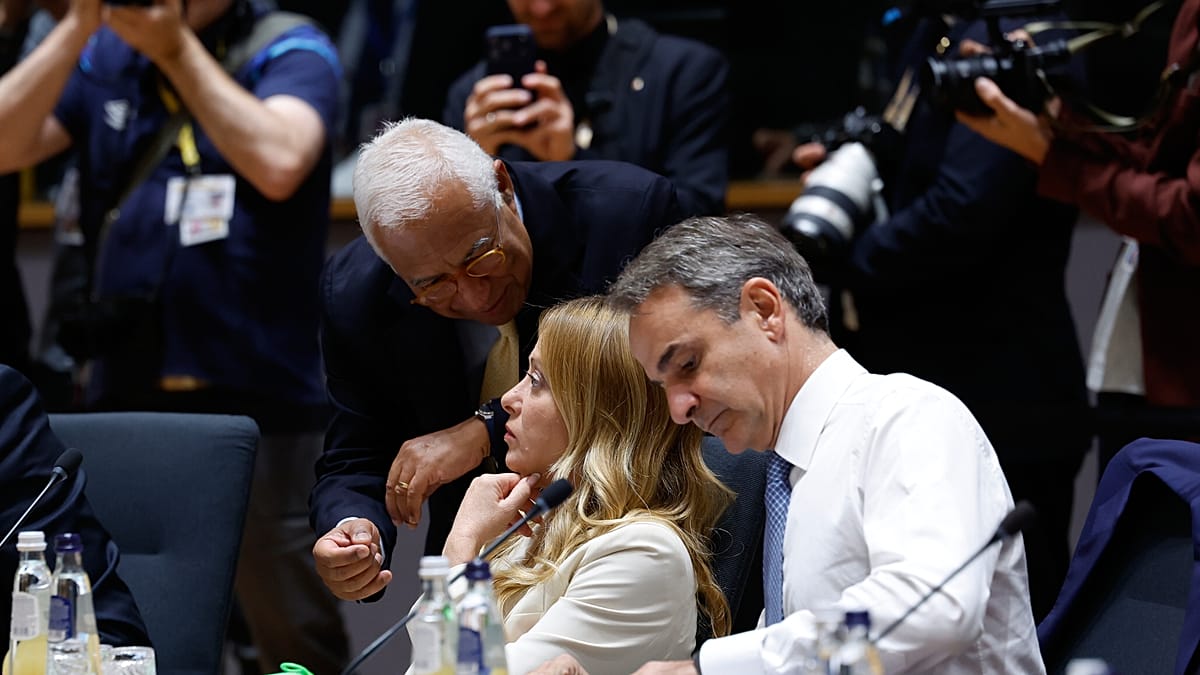
Published on 19/10/2026 – 15:09 GMT+2 Preparations are under way to hold a European Council summit in Rome in March 2027 to mark the 70th anniversary of the Treaties of Rome, amid speculation over an early election in Italy. ADVERTISEMENT ADVERTISEMENT It would be the first time an anniversary celebration has been combined with a formal European Council summit held outside Brussels. EU leaders’ summits are normally held in Brussels. In exceptional circumstances, European Council President António Costa can propose another venue, provided all member states agree unanimously. “President Costa has put forward the idea to organise a formal European…
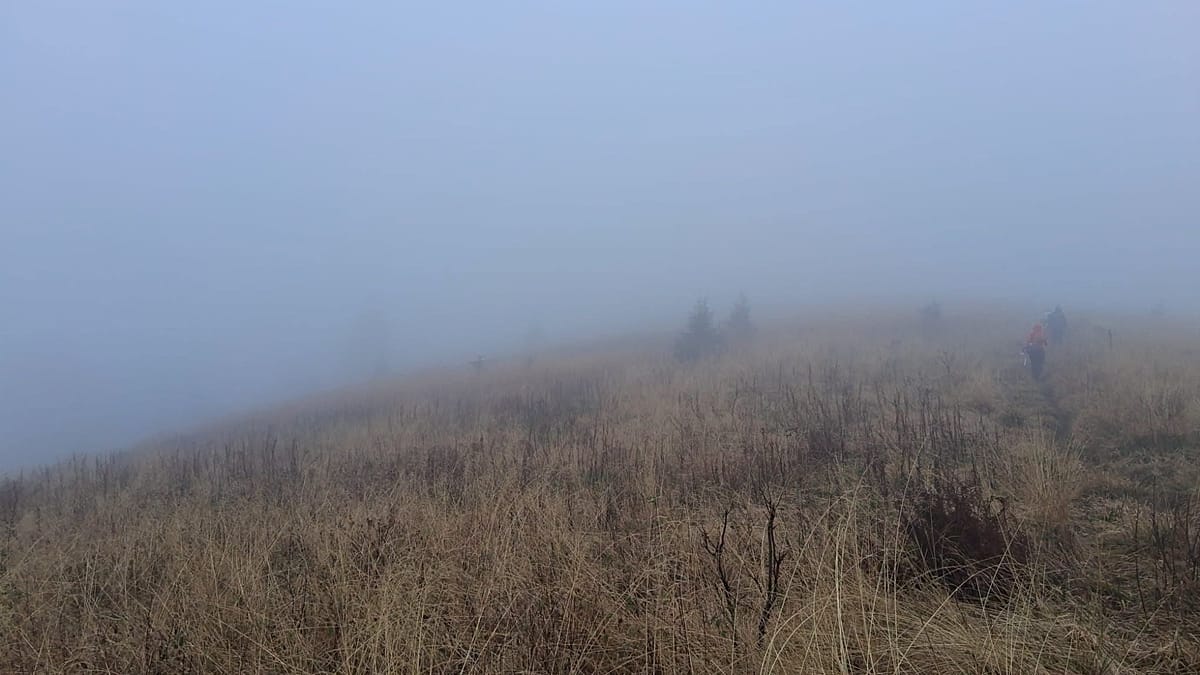
Published on 19/10/2026 – 12:14 GMT+2 A mother left her two children alone on the Bieszczady Mountains hiking trail in southern Poland on Saturday because they were “whining” and she wanted to reach the summit alone. ADVERTISEMENT ADVERTISEMENT “We are near the point where the blue and yellow trails split above Muczne. We are hiking with a group from the PTTK branch in Rzeszow. Suddenly we hear a piercing sob and a child’s scream. We stop, and two boys – a crying eight-year-old and his fourteen-year-old brother – are standing, bewildered, by the side of the trail,” the Rzeszow branch…
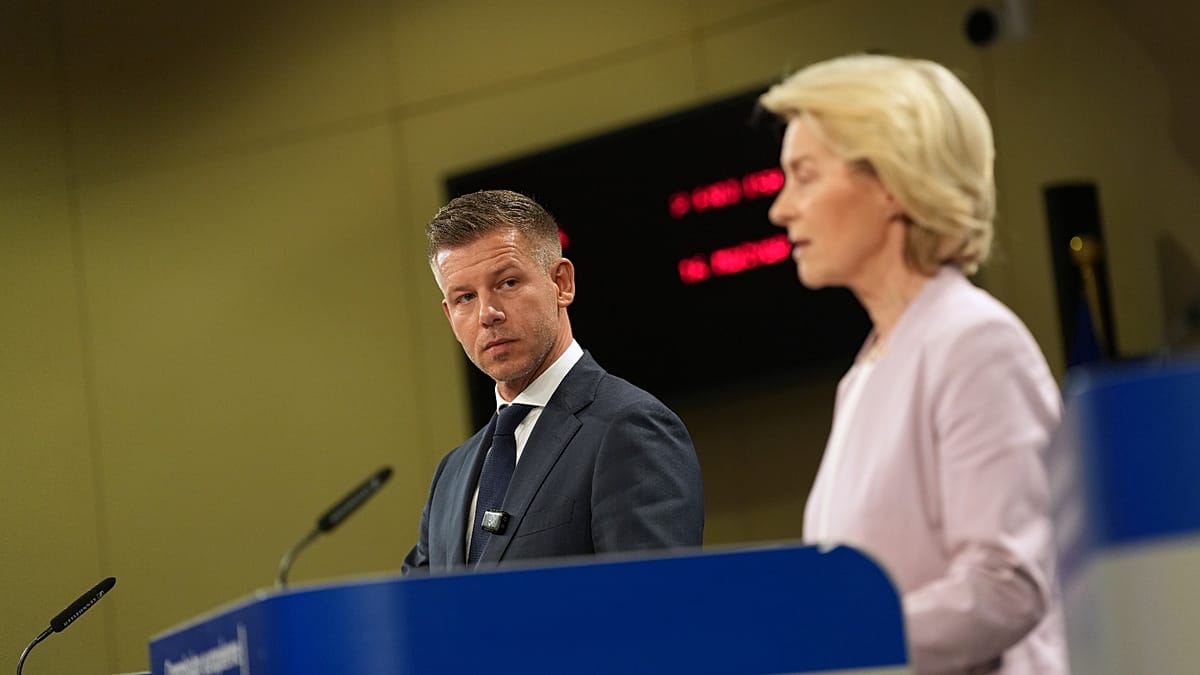
Published on 19/10/2026 – 12:16 GMT+2•Updated 12:24 European Commission President Ursula von der Leyen, European Council President António Costa and French President Emmanuel Macron will travel to Budapest on Friday to mark the 70th anniversary of Hungary’s 1956 anti-Soviet uprising. ADVERTISEMENT ADVERTISEMENT The ceremony, hosted by Hungarian Prime Minister Péter Magyar, marks a significant thaw in relations between Brussels and Budapest after years of acrimony under his predecessor, Viktor Orbán. It will be von der Leyen’s first visit to Hungary since 2024, when she attended a European Political Community summit in Budapest. Under Orbán, Hungary repeatedly blocked EU initiatives to…
