

Author: Press Room

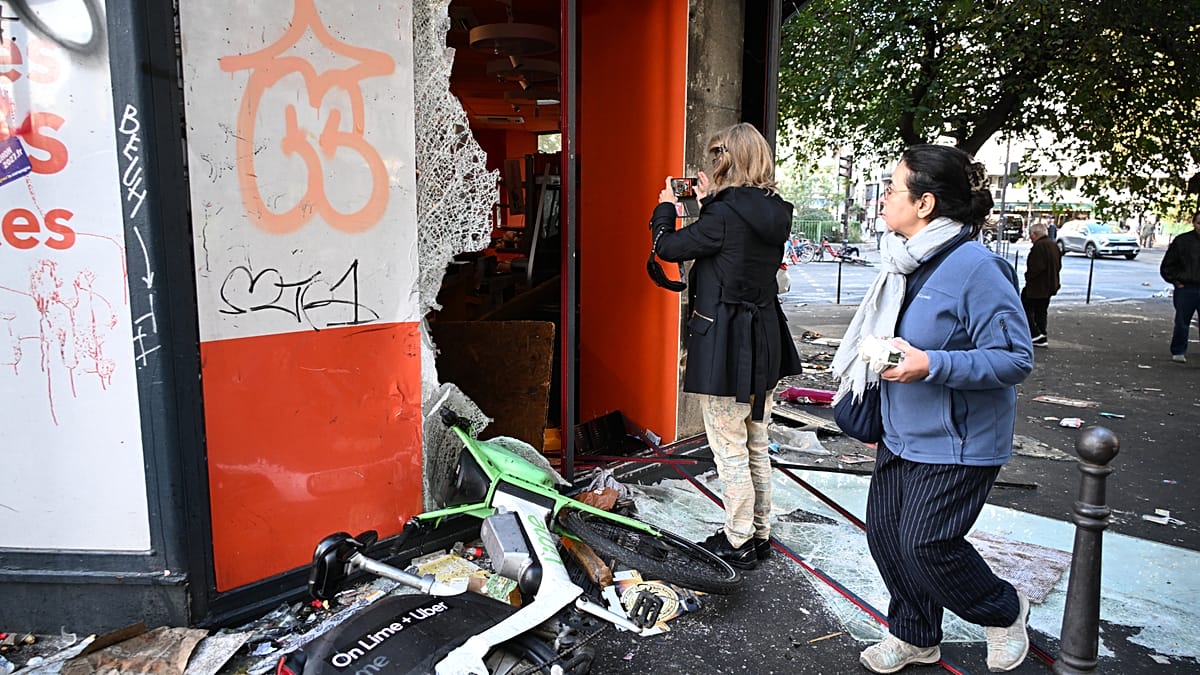
Young people who took part in the weekend’s looting in France have posted videos on TikTok and X boasting about the goods they took and about beating the riot police. ADVERTISEMENT ADVERTISEMENT “Thank you Paris, thank you Paname,” a young man says in one video on TikTok, using a slang name for the capital. “You’re killers, guys, we tore it all up.” His eyes are red, apparently from tear gas, and he goes on to list his haul. “I grabbed some new Under Armour,” he says, referring to the American sportswear brand. He then turns to the CRS riot police.…

Russia’s President Vladimir Putin has reportedly proposed a three-way summit with US President Donald Trump and Chinese leader Xi Jinping next month to negotiate an end to the full-scale invasion of Ukraine, according to US media. ADVERTISEMENT ADVERTISEMENT The proposal was reportedly made during a telephone conversation between Putin and Trump on 9 October, which also produced a controversial agreement involving Russian diesel exports to US and international markets. Citing people familiar with the discussions, the Wall Street Journal reported on Sunday that the Kremlin suggested holding the meeting on the sidelines of the Asia-Pacific Economic Cooperation summit in Shenzhen…

Kyiv has become a “true frontline city” as Russia intensifies its aerial campaign against Ukraine, the European Union’s ambassador to the country Katarína Mathernová told Euronews, warning that relentless attacks are increasingly disrupting everyday life in the capital ahead of winter. ADVERTISEMENT ADVERTISEMENT Speaking exclusively to Euronews’ Europe Today programme, Mathernová, who has lived in Ukraine since September 2023, said the situation had deteriorated sharply since late August, when Russia began launching frequent daytime attacks alongside its overnight bombardments. “What happened since the end of August of this year is that Kyiv became a true frontline city,” she said. Air-raid…
UN humanitarian chief Tom Fletcher has warned of worsening conditions in conflict zones, describing places such as Sudan and Gaza as an “atrocities lab”, where new weapons are being developed and tested amid devastating human suffering.
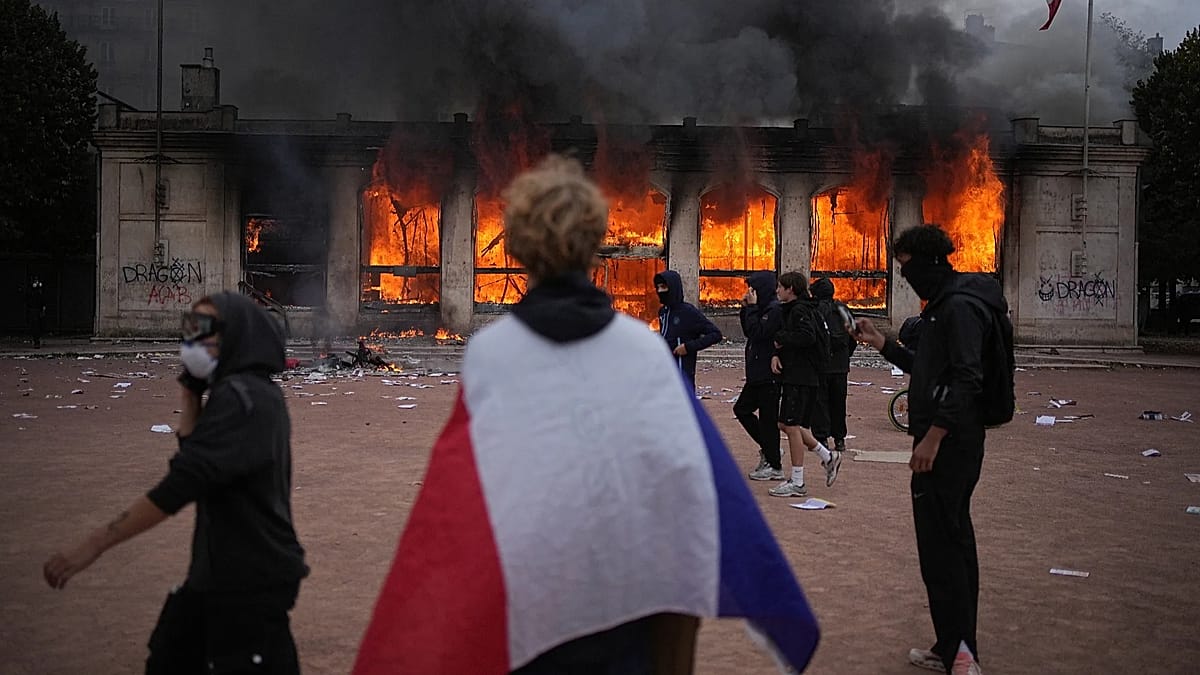
Published on 18/10/2026 – 12:02 GMT+2 Cost-of-living protests descended into violence across parts of France on Saturday as demonstrators clashed with police officers and set buildings and vehicles alight. ADVERTISEMENT ADVERTISEMENT More than half a million people are thought to have joined the demonstrations, including 110,000 in the French capital, Paris. Violence also broke out in cities such as Lyon, Marseille, Bordeaux, Rennes, Strasbourg, Grenoble, Nice, Toulouse, and Limoges, where the town hall was almost completely destroyed in a fierce blaze. French Interior Minister Laurent Nuñez said on Sunday that more than 500 police officers, gendarmes, and firefighters were injured…
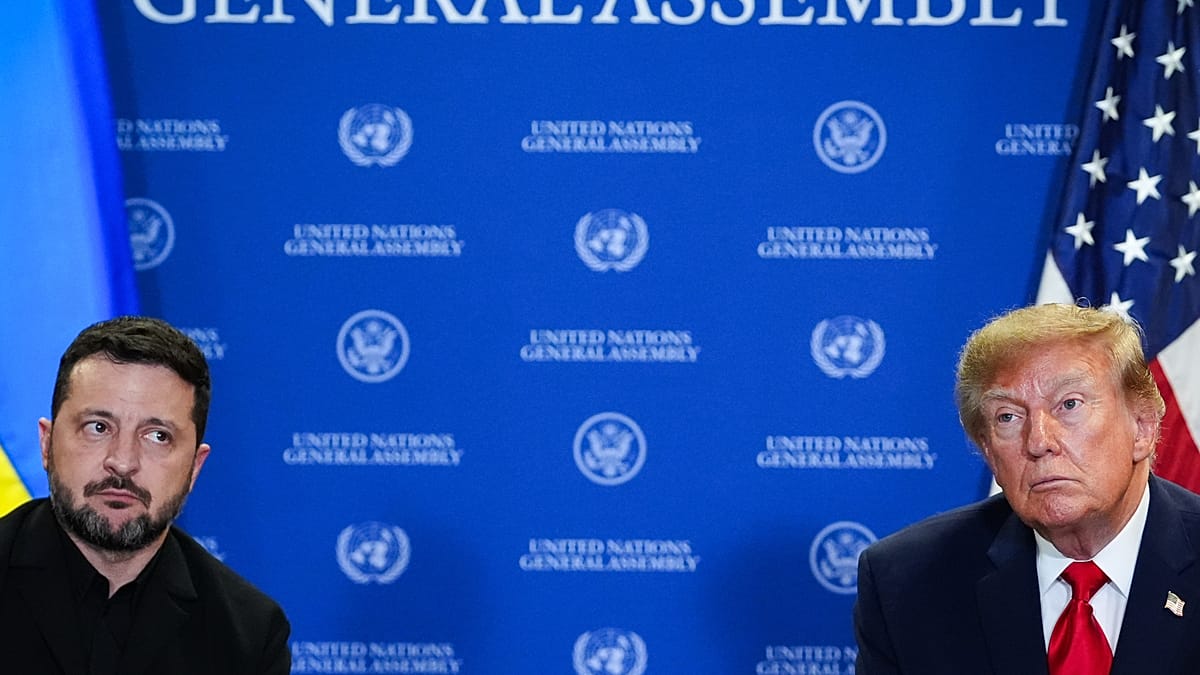
Welcome back to Off the Record after another hectic week. ADVERTISEMENT ADVERTISEMENT I like to joke with our Deputy Head of EU News, Maia de la Baume, that things cannot get crazier with each passing week. Every time, I’m proved wrong. It’s bad news for my immune system, which has finally succumbed to a cold. This week, I spent some time in Warsaw before the European Council summit in Brussels, which wrapped up as I sat down to file this newsletter next to my Kleenex. Ukrainian President Volodymyr Zelenskyy was in Brussels for the summit on Friday, looking to shore…
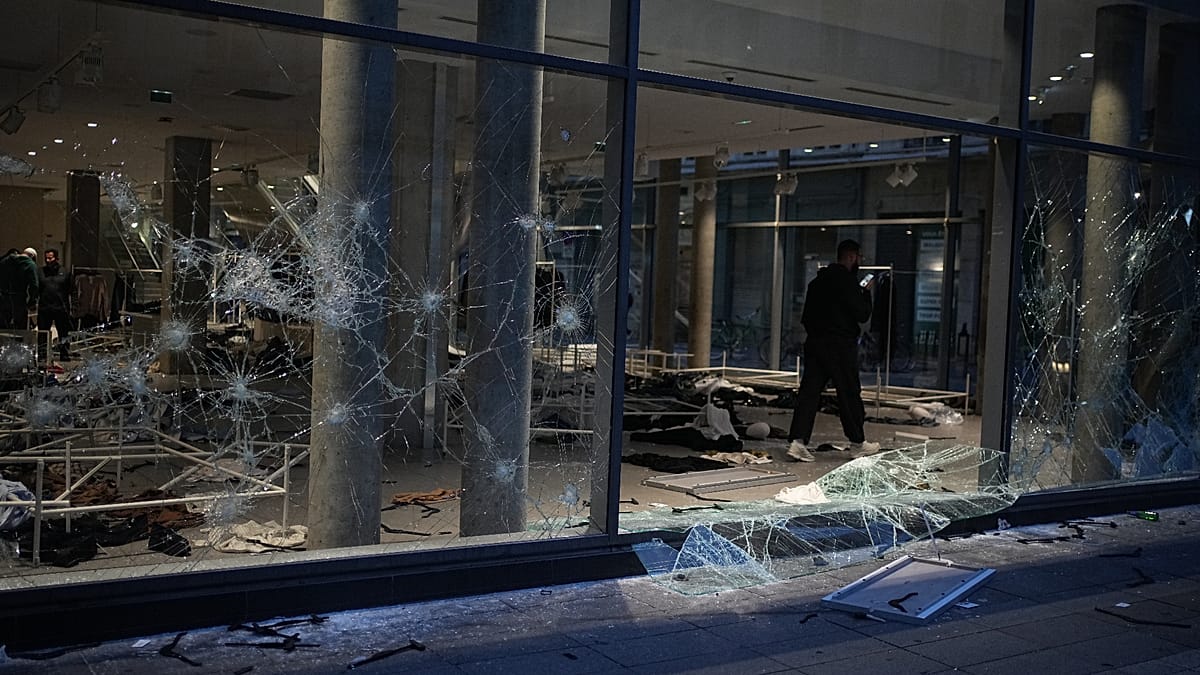
Central Lyon was left littered with debris, shattered shop windows and looted stores on Sunday morning after violence erupted during Saturday’s cost-of-living protests. ADVERTISEMENT ADVERTISEMENT The city’s tourist office was also left burnt out, while graffiti appeared on nearby streets. Cleaning crews worked to clear the wreckage along Rue de la République, and workers boarded up damaged shopfronts. The unrest came amid nationwide demonstrations over rising prices, with France’s presidential election scheduled for next year.
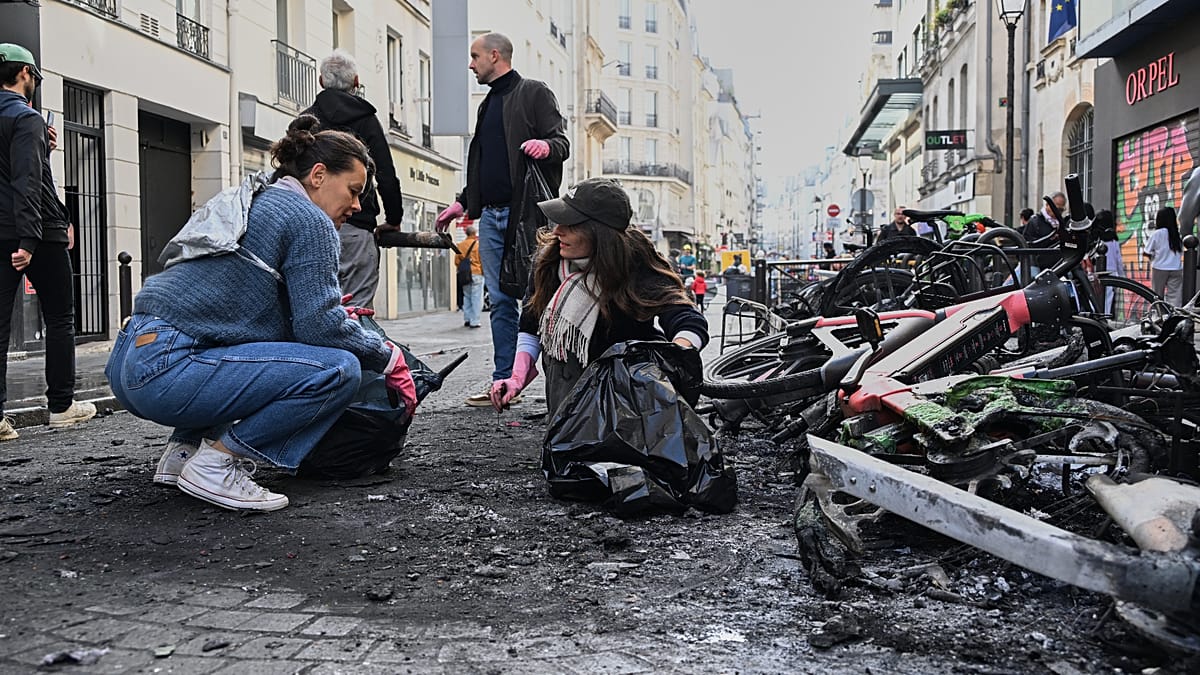
Paris woke up to widespread damage on Sunday after violence overshadowed Saturday’s protests over the cost of living. Streets were littered with debris, burnt bicycles and damaged vehicles, while shops across the city had smashed windows and signs of looting. ADVERTISEMENT ADVERTISEMENT Businesses including Nike, Sephora and Burger King were among those left damaged, and windows at the Paris Opera ticket office were also shattered. Cleaning crews worked to clear the streets as workers began repairing shopfronts. The unrest came amid nationwide demonstrations against rising prices.
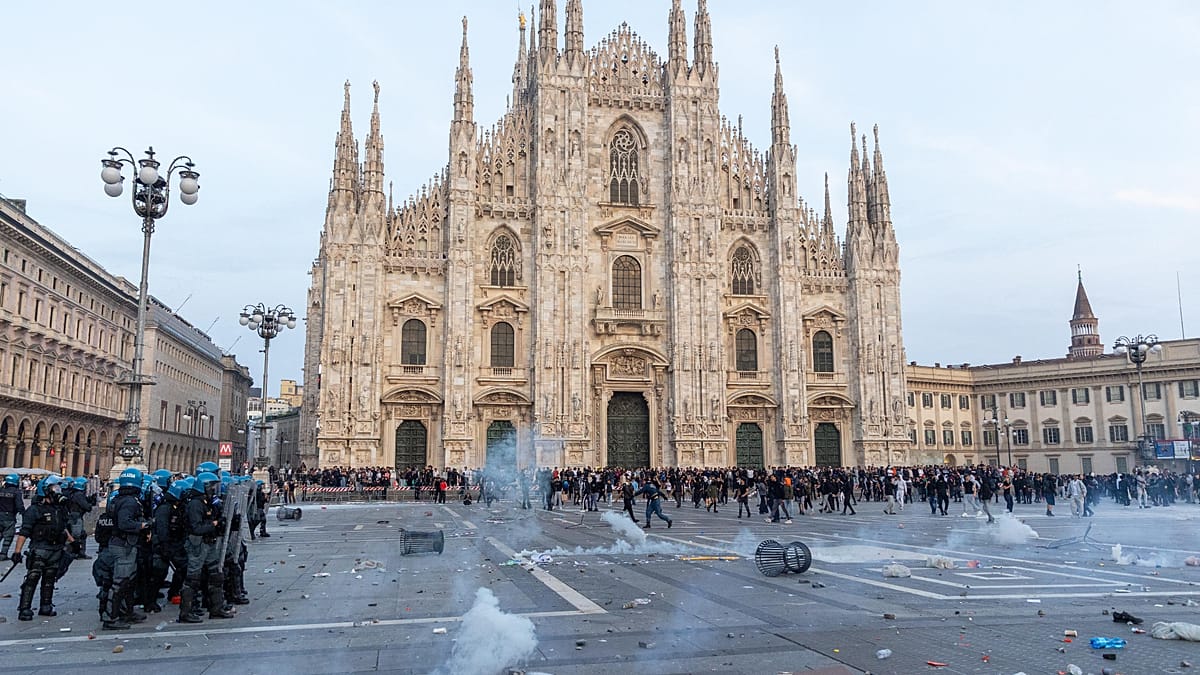
In the wake of the protests that erupted in France, demonstrations against the rising cost of living have also taken place in Italy, spilling over into violent clashes with the police. ADVERTISEMENT ADVERTISEMENT The worst tensions were reported in Milan, where the march first degenerated in Via Broletto and then in the city centre, particularly in Piazza Duomo, turning into scenes reminiscent of urban guerrilla warfare. In the Lombardy capital, 25 people were injured and taken to various Milan hospitals, ten of them police officers. None of the injured was in a condition requiring emergency red-code transport. Clashes in Milan:…
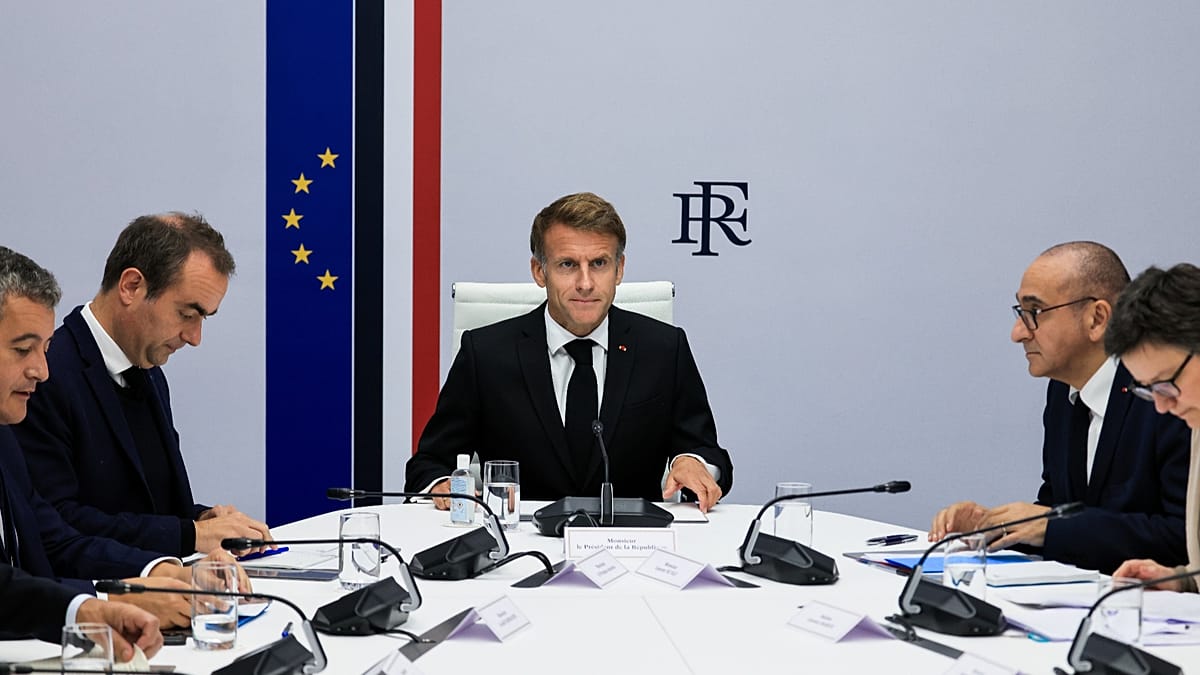
French President Emmanuel Macron vowed to hold accountable those who “sought to bring down the Republic” after protests descended into looting and rioting across major cities on Saturday, deepening the country’s political crisis. ADVERTISEMENT ADVERTISEMENT In a televised address on Sunday, Macron said “nothing justified” the scenes of unrest across France, where a historic town hall in Limoges was engulfed in flames. “Those who looted will have to pay for the damage, and those who sought to bring down the Republic will be held accountable,” the French President said. Macron acknowledged the public’s frustration and anger over the unrest, while…
