

Author: Press Room

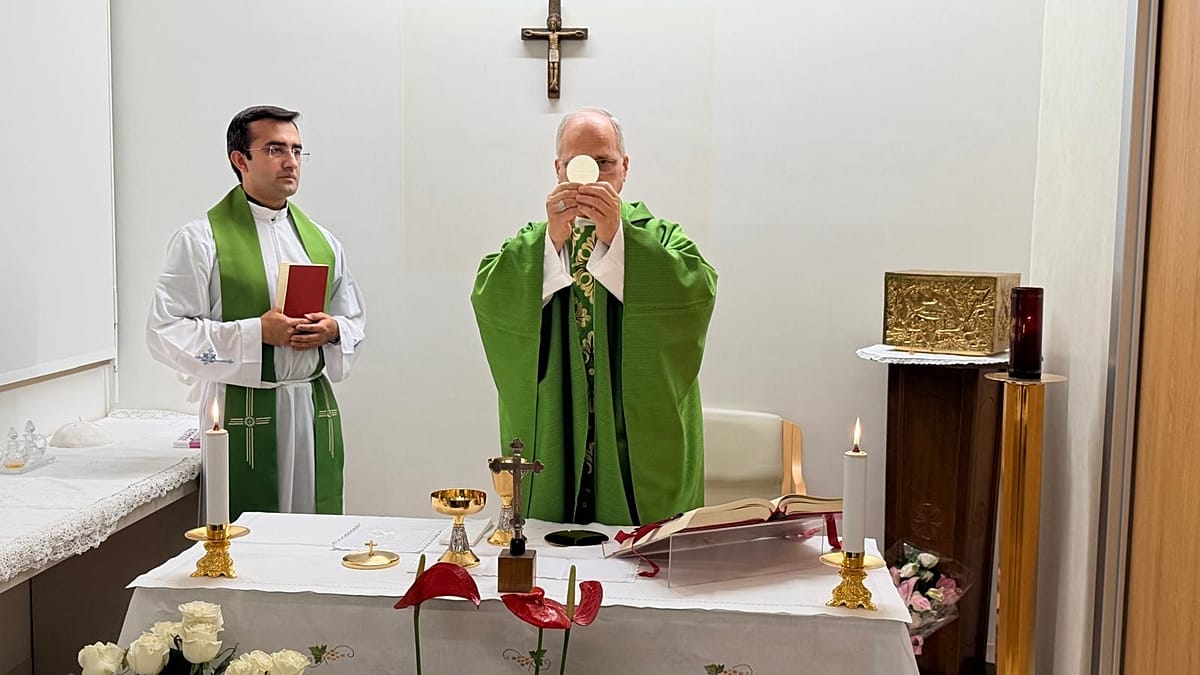
The Vatican has released the first photographs of Pope Leo XIV since he underwent surgery to remove a cancerous tumour from his right lung. ADVERTISEMENT ADVERTISEMENT The images, published on Friday, show the pontiff celebrating Mass at Rome’s Gemelli Hospital, where he is recovering following the operation. The Vatican said the Pope’s condition was continuing to improve, with his post-operative recovery allowing him to carry out daily activities independently and remain in good spirits.
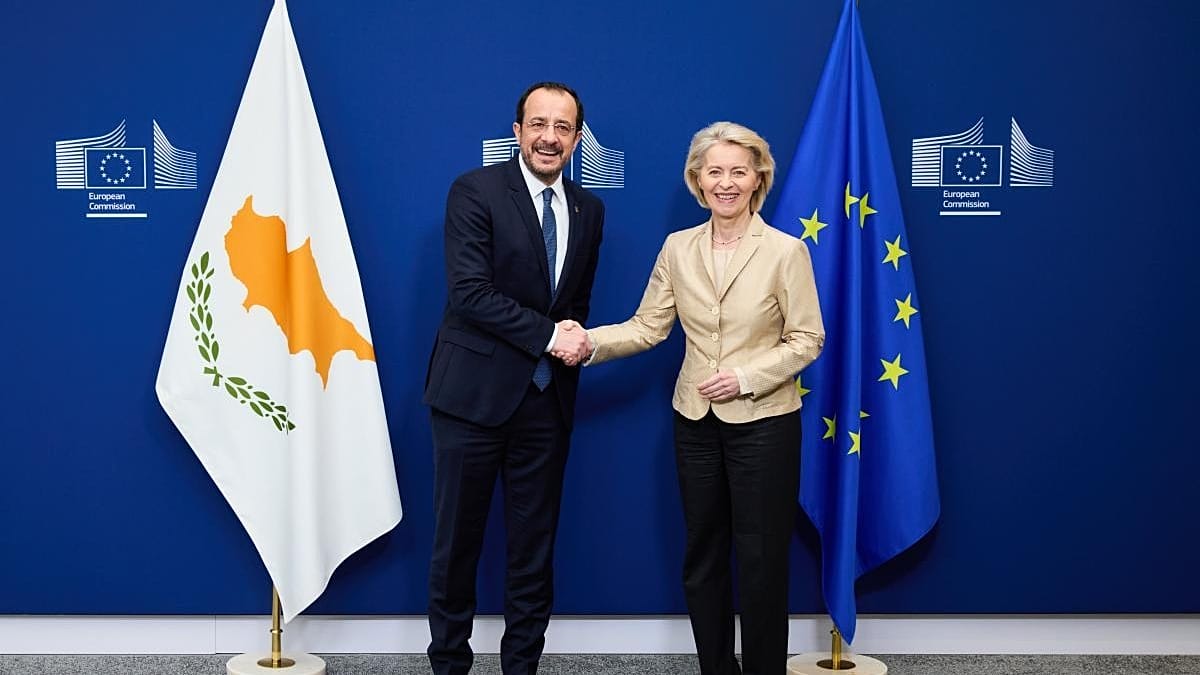
A high-level meeting between the European Union and Turkey is expected to take place in October, focusing on efforts to restart talks on the Cyprus issue and the future of EU-Turkey relations, Cypriot President Nikos Christodoulides said on Friday. ADVERTISEMENT ADVERTISEMENT Speaking to journalists, he said he had been informed of the planned meeting following recent discussions in New York with UN Secretary-General António Guterres, as well as talks between Guterres and EU leaders. The meeting, being organised at the request of the UN Secretary-General, aims to explore ways to create the conditions needed to resume negotiations on the Cyprus…
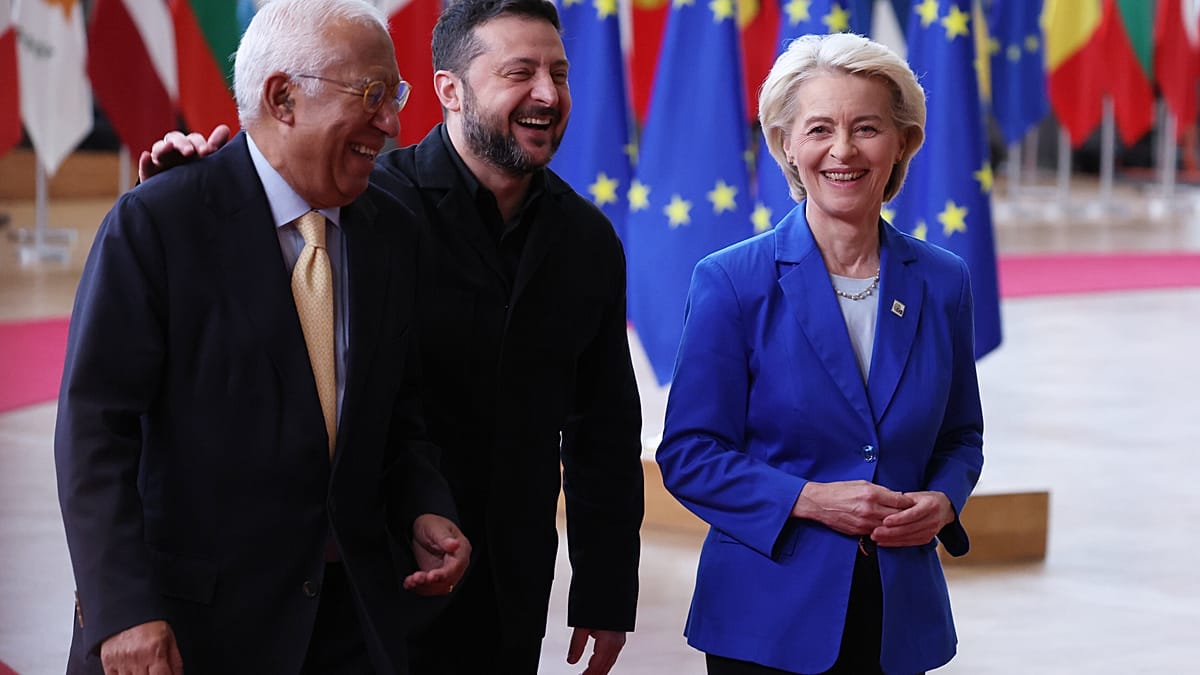
Published on 16/10/2026 – 18:30 GMT+2 The European Commission announced on Friday a joint task force with Ukraine to speed up accession work, after Hungary lifted its veto on opening further negotiating clusters. ADVERTISEMENT ADVERTISEMENT EU and Ukrainian officials will sit on the task force, which is meant to help Kyiv complete its accession homework. Earlier this week, member states agreed to open two more clusters. The remaining two are now expected by the end of the year. “Ukraine is among the countries making most progress towards EU membership. Following the opening of two more negotiating clusters this week, I…
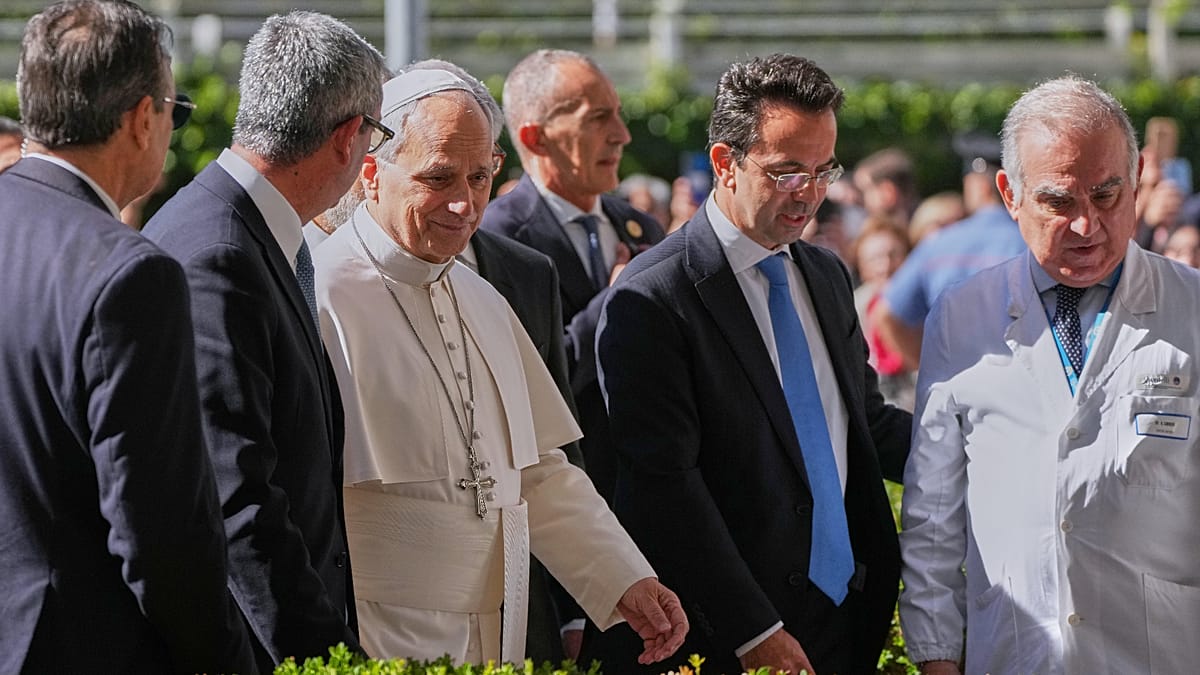
Pope Leo XIV spoke by phone with Russian President Vladimir Putin on Friday, calling for a ceasefire in a Russian-occupied city in southern Ukraine while recovering in hospital from lung cancer surgery. ADVERTISEMENT ADVERTISEMENT The Vatican said that Pope Leo “expressed his deep concern about the grave humanitarian situation in the city of Oleshky, in the Kherson region, and called for a ceasefire to allow the delivery of food and medical assistance, and the voluntary and safe evacuation of the civilian population”. Vatican Secretary of State Cardinal Pietro Parolin said it was “the Holy Father who took the initiative” to…
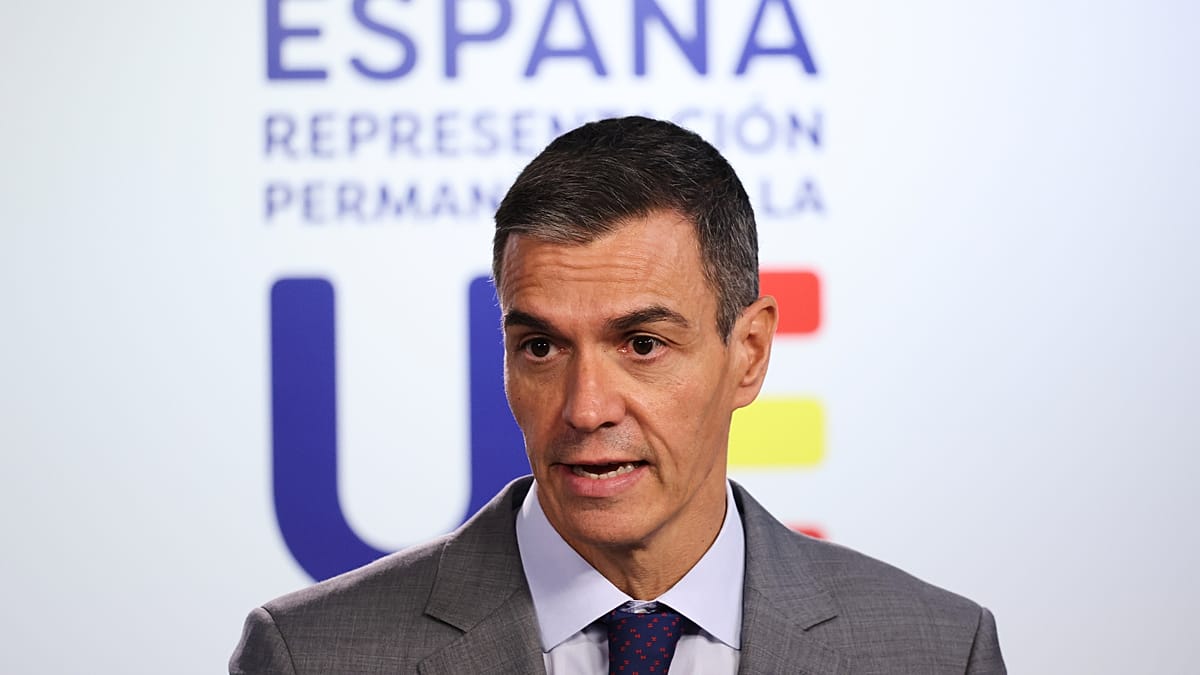
Spanish Prime Minister Pedro Sanchez on Friday rejected criticism from several European leaders over Spain’s migration policy and defended his government’s approach to tackling irregular immigration and managing migration flows. ADVERTISEMENT ADVERTISEMENT “If you look at the facts, at the figures – which is kind of always what happens with the far right – it’s like night and day,” he said in Brussels, where he is attending the European Council summit. “What is being said has nothing to do with reality (…) one thing is the blah, blah, blah and another is reality.” Sanchez was responding to comments by Czech…
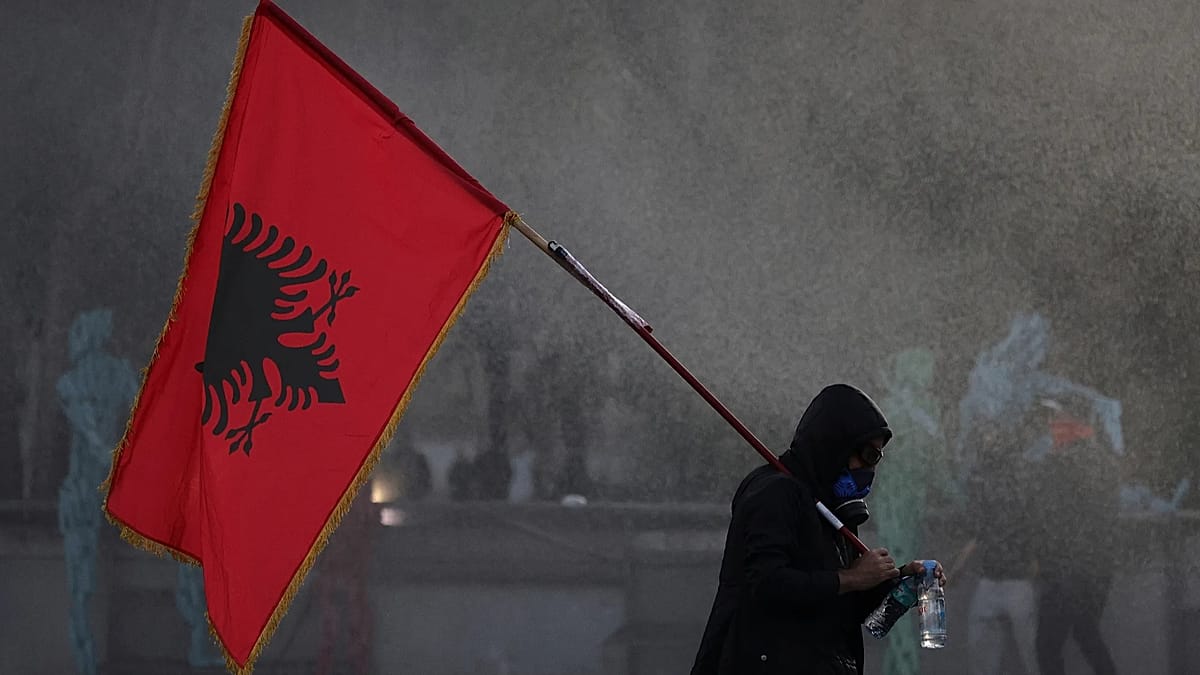
Published on 16/10/2026 – 19:25 GMT+2 Albanian Prime Minister Edi Rama called for calm on Friday, blaming unnamed “foreign hands” for the unrest as protesters demanded his resignation for a fourth consecutive day. ADVERTISEMENT ADVERTISEMENT “These are foreign hands that do not wish for Albania to be at peace,” he said in a Facebook video. “All of this is the work of the very same hand, the hand that has gripped the Albanian opposition by the throat, the hand that has burned and destroyed Albania more than once.” Thousands of young protesters took to the streets of Albania’s capital, also…
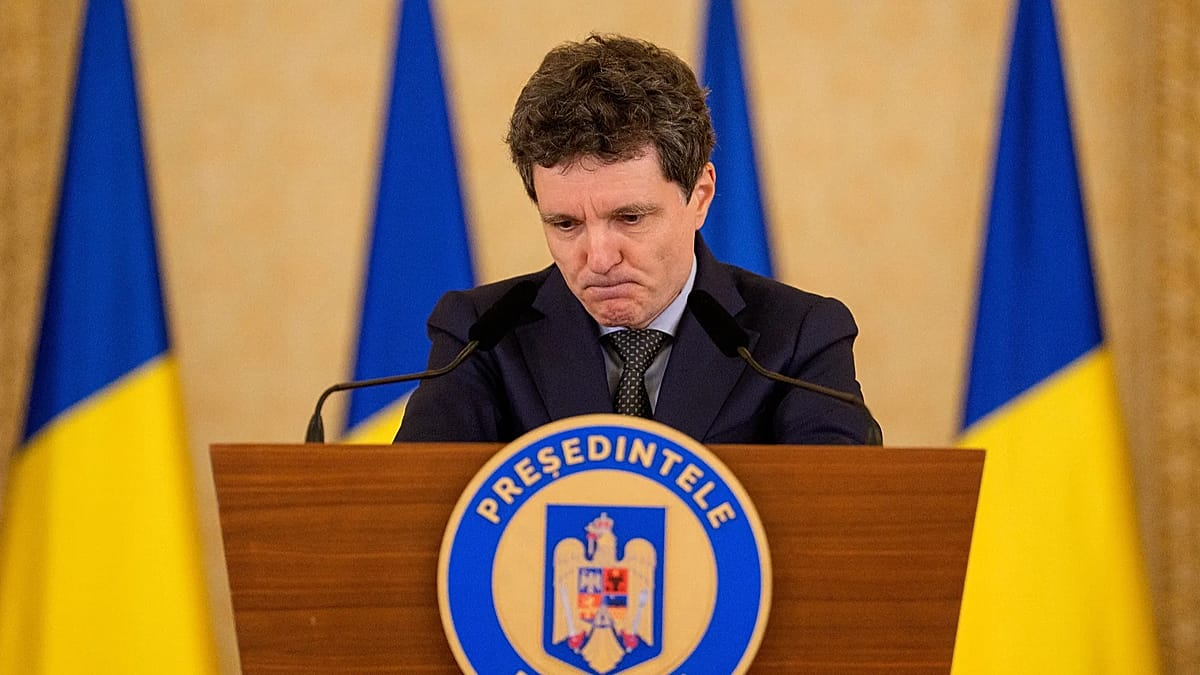
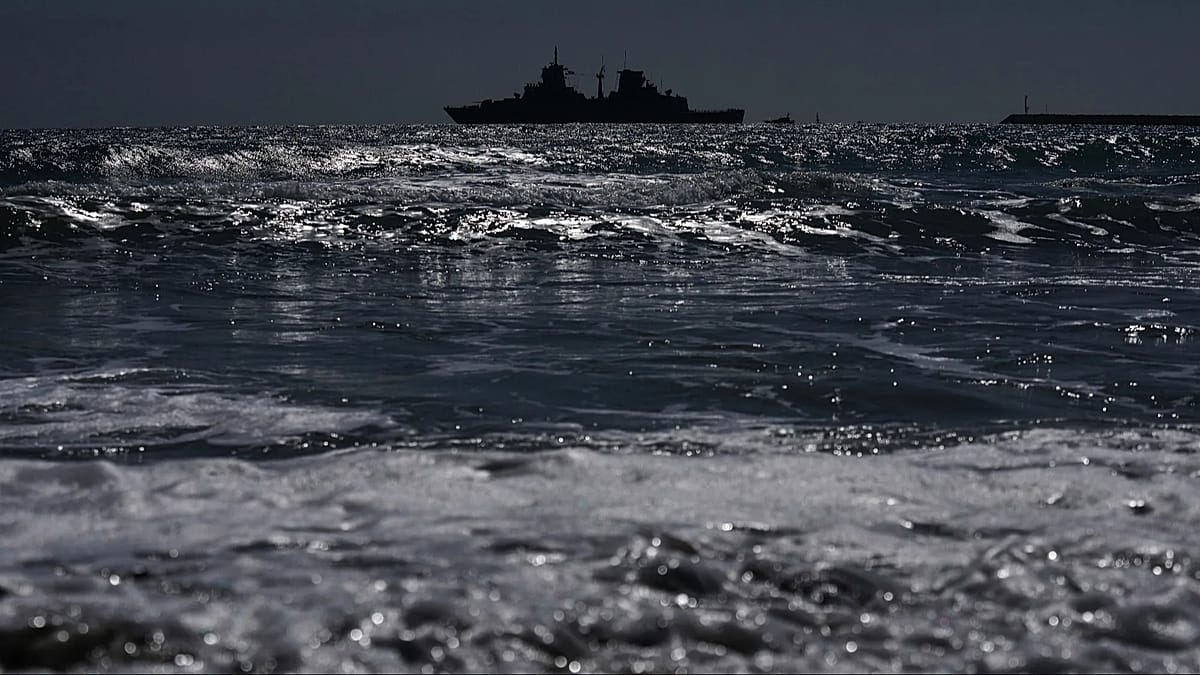
Romanian President Nicușor Dan has said the Black Sea would only become safe after Russia’s war in Ukraine ends, as he called for greater NATO oversight in the region following drone strikes on commercial vessels in an interview with Euronews. ADVERTISEMENT ADVERTISEMENT “I’m very optimistic that we’ll have the support and the capabilities in order to be better protected, because it’s an important economic question for Ukraine and for the whole region,” he said on the sidelines of an EU summit in Brussels held Friday. The Romanian leader said frequent drone incursions into his country’s territory had begun roughly a…
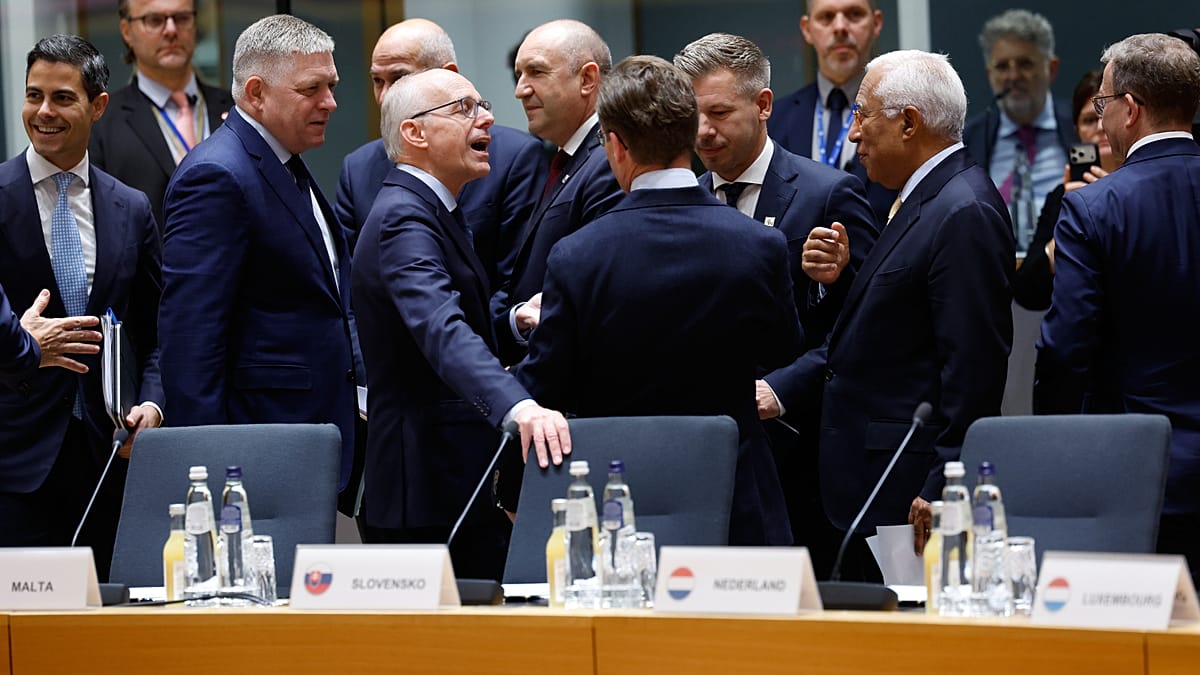
EU leaders gathered in Brussels on Thursday and Friday with a packed agenda, from the long-term budget and financial support for Ukraine to migration, energy and China. ADVERTISEMENT ADVERTISEMENT The summit alternated between entrenched positions on the bloc’s budget, a warm welcome for Ukrainian President Volodymyr Zelenskyy, and clashes over energy and migration policies. Here are the five highlights. Rallying behind Ukraine The bitter row between Zelenskyy and US President Donald Trump dominated the second day of the summit. Leaders closed ranks behind Zelenskyy and promised to keep sanctions in place for as long as Russia pursues its full-scale invasion.…
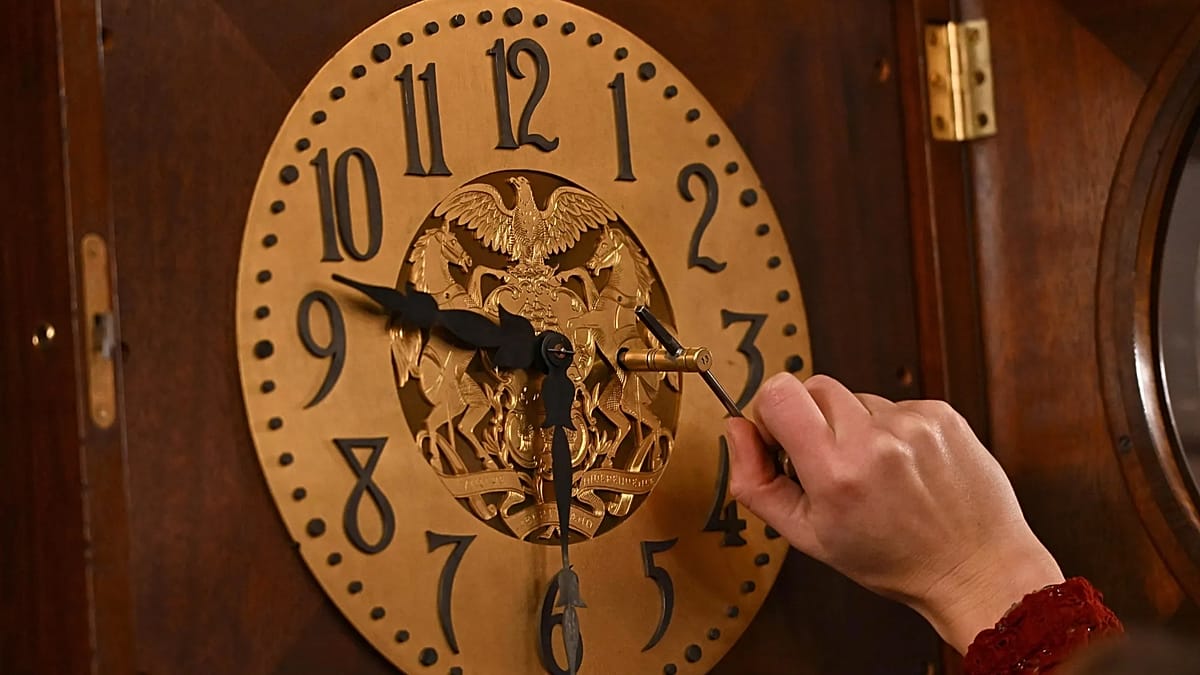
The world’s official time standard will stop adding leap seconds from 20 May 2027. The General Conference on Weights and Measures (CGPM) decided to end the practice on Thursday 15 October 2026. ADVERTISEMENT ADVERTISEMENT The resolution was adopted at the conference’s 28th meeting in Versailles, where delegates discussed the future of world time. Until now, leap seconds have been added from time to time to keep atomic time in line with the Earth’s rotation. But from 20 May 2027, Coordinated Universal Time (UTC) will run continuously, with no interruptions. Why the leap second is being scrapped The old rules were…
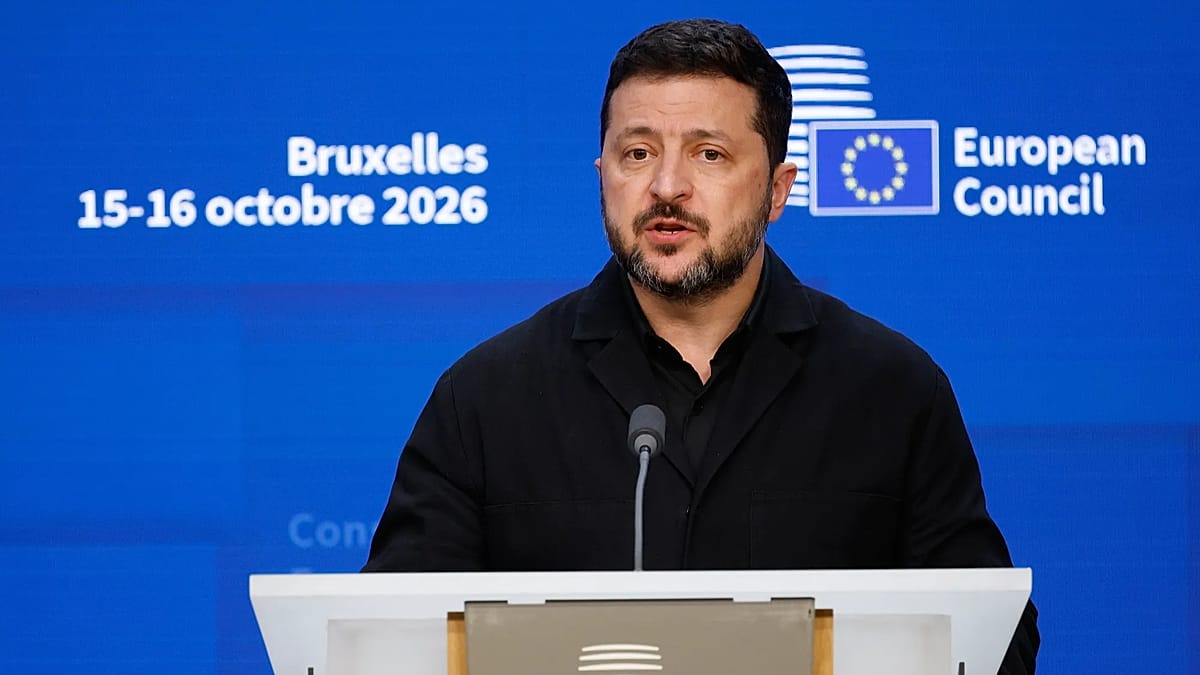
Published on 16/10/2026 – 16:12 GMT+2 Ukrainian President Volodymyr Zelenskyy has rejected Donald Trump’s claim that he is more difficult to deal with than Vladimir Putin, telling Euronews that negotiating with the US president is easier than dealing with the Russian leader. ADVERTISEMENT ADVERTISEMENT Speaking to Euronews on Friday at an EU summit in Brussels, Zelenskyy was asked about Trump’s criticism and whether European leaders supported Ukraine’s continued strikes on Russian oil refineries despite pressure from Washington to halt them. “Well, it’s easier dealing with him than with Putin. I’m talking about Trump,” Zelenskyy said. “I’ve had several meetings with…
