
The European Commission is set to propose an electrification target for 2040, arguing that widespread adoption of electric technologies could save roughly €200 billion in fossil fuel imports by 2040, cut fossil fuel demand and greenhouse gas emissions, according to an internal document seen by Euronews.
ADVERTISEMENT

ADVERTISEMENT
The EU spent an additional €50 billion on fossil fuel imports in just 111 days to offset the loss of imported oil and gas from the critical Strait of Hormuz since 28 February, reinforcing the economic and industrial case for faster electrification, according to the Commission.
While a concrete target is still to be redacted, the 34-page draft document, which may still change before its publication on 17 July, argues that recent geopolitical shocks, including the latest Middle East conflict, have exacerbated Europe’s ongoing vulnerability to imported oil and gas.
“(The European Commission will) propose an electrification target of [X]% of final energy consumption by 2040, enshrined in EU legislation as part of the Energy Union package for the decade ahead,” reads the document.
Brussels is preparing to unveil sweeping energy reforms in response to renewed geopolitical tensions in the Middle East, which have deepened the energy crisis that began in 2022. Its long-awaited Electrification Action Plan aims to reduce Europe’s reliance on imported fossil fuels while strengthening industrial competitiveness.
The Commission wants that by 2040 a specific share of all the energy Europeans use comes from electricity rather than fossil fuels — electric cars instead of petrol or diesel cars, heat pumps instead of gas boilers or electric industrial equipment instead of coal or gas-powered machinery.
The Commission will examine mandating the use of heat pumps in public buildings by revising the bloc’s public procurement rules, according to the document.
Geothermal energy — the heat naturally generated within the Earth — has also been recognised as “an underutilised resource” for high-efficiency renewable electricity and a heating and cooling solution with reduced network costs.
“It could cost-effectively meet at least 1% of Europe’s electricity needs and 25% of its heating and cooling demand, if an enabling framework were put in place,” reads the document.
Sanjeev Kumar, policy director at the European Geothermal Energy Council (EGEC), described a potential mandate for heat pumps in public buildings as “great news”, noting that geothermal heat pumps are already the default option, providing an opportunity to use them in thermal heating and cooling networks.
“With electrification, it’s not what you do more so how you do it. Geothermal benefits everyone with cheap, reliable, and abundant local energy. It’s the closest we have to a silver bullet,” Kumar told Euronews.
Stalled progress
Brussels argues that Europe has already built much of the supply side, with around 70% of electricity now generated from domestic clean sources but warns that demand has failed to keep pace as many barriers remain.
A long-standing European challenge, electricity remains significantly more expensive than gas in most EU countries and high upfront costs discourage households and businesses from switching to heat pumps, installing solar panels or energy storage systems.
Grid constraints and connection delays among EU countries are slowing investment in clean technologies — a trillion-euro challenge that Brussels is currently trying to address by boosting permits to transport more renewable energy across the electric grid. Brussels is also scrambling to get proper financing for such a mammoth endeavor.
Unless these barriers are removed, the document warns that Europe risks falling behind Asian economies, where electrification rates already exceed 30%, compared with the EU’s 23%, which has been stagnant for the past decade.
Recognising that electrification cannot succeed without stronger infrastructure, the Commission will propose to increase energy storage capacity, targeting 200 GW by 2030, up from around 55 GW in 2026.
Greater investment in district heating and cooling networks — shared systems that deliver heating or cooling to many buildings from a central source — is also foreseen, given its potential to reduce the burden on the electricity grid. However, logistical decisions are primarily made by national and local governments, with high upfront costs involved.
How the Commission intends to fix it
The Commission intends to target the three major consumers of fossil fuels — industry, transport and buildings.
Brussels will propose legislation to reform electricity bills, reduce taxes and levies that disproportionately burden electricity prices and gradually phase out fossil fuel subsidies.
It also sets indicative national targets to reduce electricity-to-gas price ratios to levels that make technologies such as heat pumps and electric industrial processes economically attractive.
For example, households should pay no more than 2.5 times as much for electricity as for the equivalent amount of gas and industrial consumers should pay no more than twice as much for electricity as for gas. Currently, only Finland and Sweden have electricity-to-gas price ratios below 2, the document stresses.
Industry would receive financial support through revenues from an expanded Emissions Trading System, the EU’s carbon market and a proposed €100 billion from the “Industrial Decarbonisation Bank”, alongside new industrial heat auctions and incentives for waste heat recovery, the document reveals.
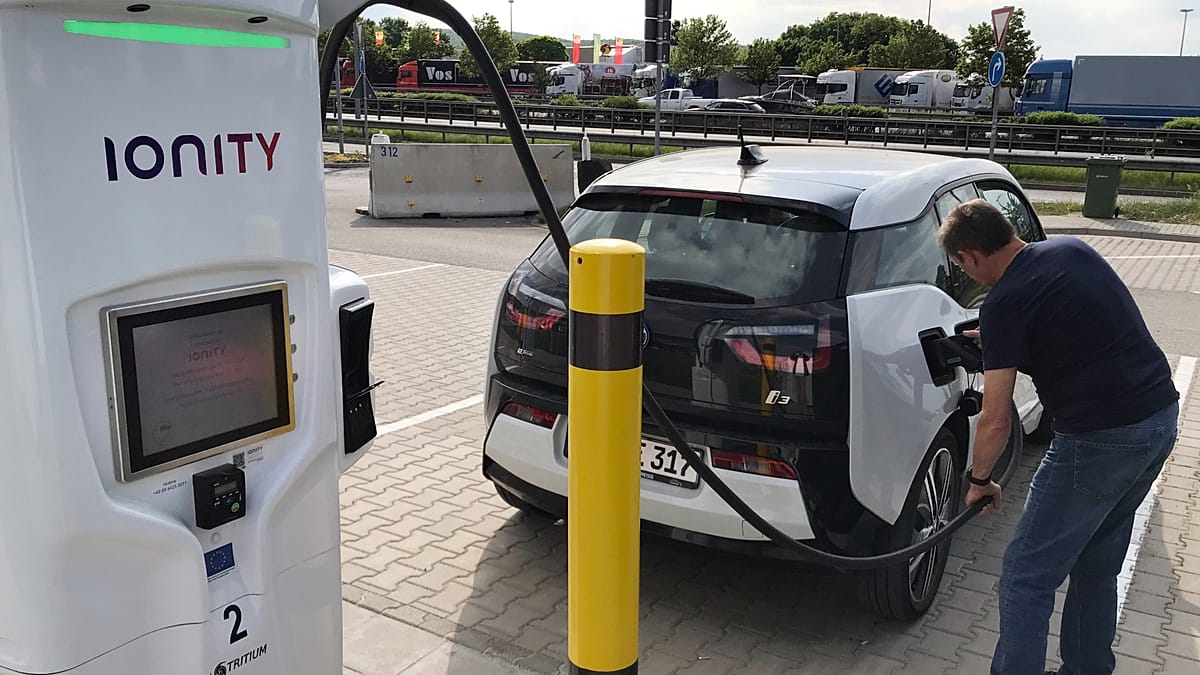
On transport, the Commission intends to accelerate electric vehicle adoption through tax incentives, expanded charging infrastructure, support for heavy-duty electric trucks, electrified ports and greater use of vehicle-to-grid technologies.
Buildings, which have lately been in the spotlight as the recent heatwaves exposed their inability to repel heat, would see major support for heat pumps through lower VAT, financing schemes, public procurement reform and a proposed mechanism to reduce purchase costs and accelerate installation rates.
Applauded proposal to phase out fossil fuels
Seda Orhan, head of energy at the NGO Climate Action Network Europe, said the Commission’s upcoming plan “is stronger than expected”, particularly regarding the proposal to phase out fossil fuel subsidies beyond 2030. However, it could be even stronger, Orhan argued.
“An electrification target is a useful compass, but it should be anchored in the post-2030 framework together with ambitious and binding renewable energy and energy efficiency targets, alongside a clear framework to phase out fossil fuels,” Orhan added.
The environmentalist also stressed the need for “fairness and addressing energy poverty” by prioritising targeted support to ensure low-income and vulnerable households, as well as those living in the worst-performing buildings.
Nonetheless, the Commission’s electrification plan will depend on politically sensitive reforms, including removing fossil fuel subsidies, restructuring electricity pricing and persuading EU countries to invest heavily in grids, storage and public support schemes — a task already proving challenging.
Many of the proposed measures will require new legislation and implementation by member states, making lengthy negotiations likely.
Jan Rosenow, Professor of energy and climate policy at the University of Oxford, said two elements will be determinant for the success of the EU’s electrification plan: “Whether the target lands at a level that forces the pace rather than ratifying the status quo, and whether the electricity bills proposal genuinely rebalances the taxes and levies that keep electricity expensive.”
“Get those right and this is the moment Europe’s electrification rate starts climbing again,” Rosenow commented.