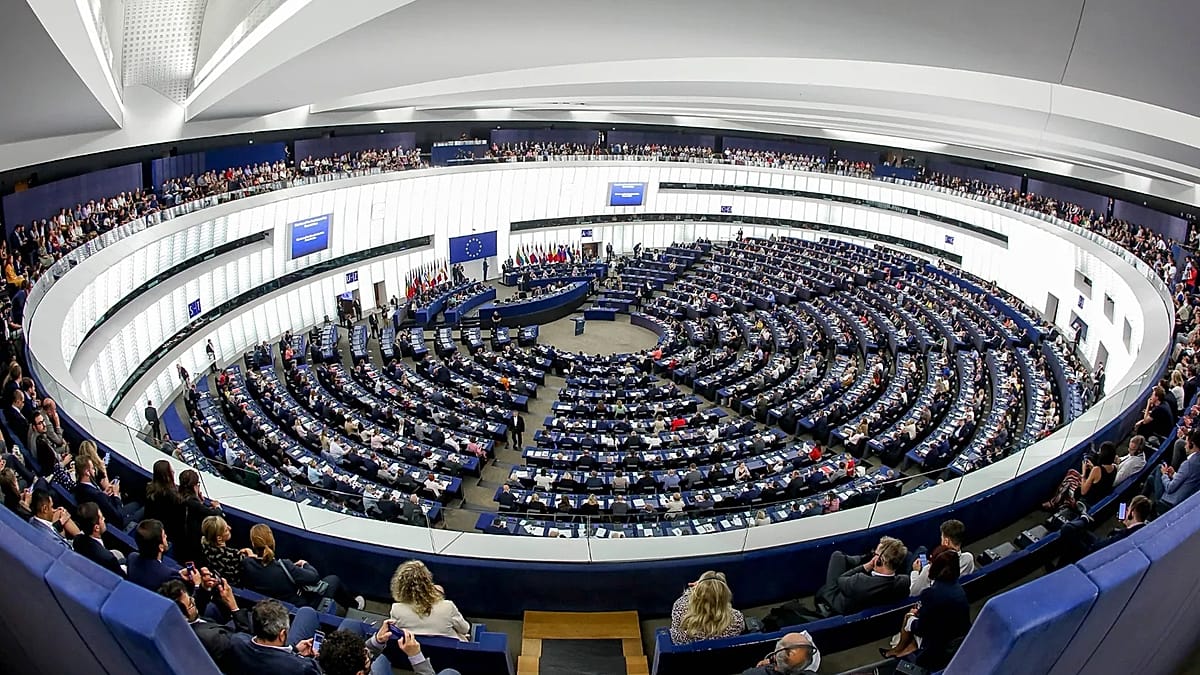

The plan, unanimously adopted, aims to systematically dismantle drug-related organised crime. To do this, it asks major EU ports to form alliances and coordinate more closely in tackling organised crime. It will also target trafficking finances and introduce blanket bans on certain chemicals used to produce synthetic drugs.
ADVERTISEMENT

ADVERTISEMENT
At the health level, it proposes city-level monitoring, take-home overdose reversal medicines, and increased funding for treatment services aimed at marginalised groups most at risk of drug-related harm.
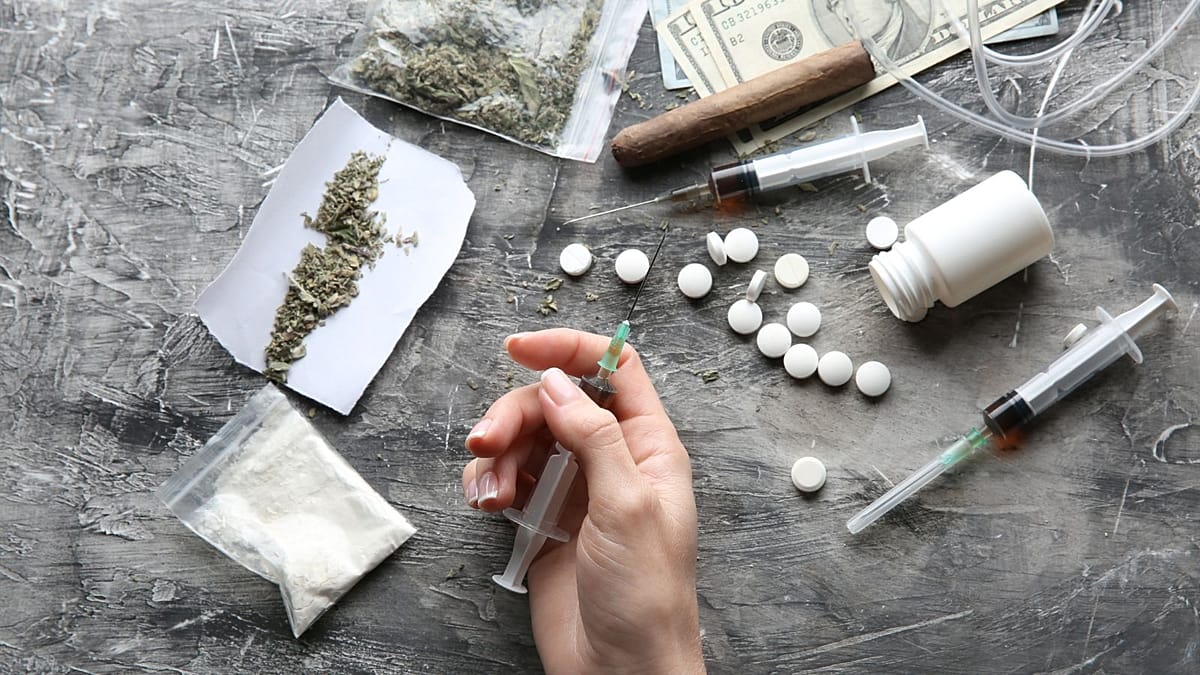
It is a response to a growing crisis in the EU. A recent report by the European Union Drugs Agency (EUDA) revealed that drug use in Europe has reached unprecedented levels, with more than 83 million adults having used illicit substances. The situation is volatile, marked by high availability of potent, diverse and often adulterated substances. The agency recorded more than 7,600 overdose deaths annually.
Certain types on the increase
Europe’s drug crisis is no longer defined solely by consumption, but by a fast-moving market in which stronger substances and flexible trafficking networks test law enforcement and public health systems.
“There are many reasons for that. It’s hard to bring it down to one single factor, because the market really responds to multiple issues, and that is the increasing levels of organised crime […], the wider availability of substances […]; we also see that Europe is increasingly emerging as a production hub […]’, said Dr Lorraine Nolan, Executive Director of EUDA.
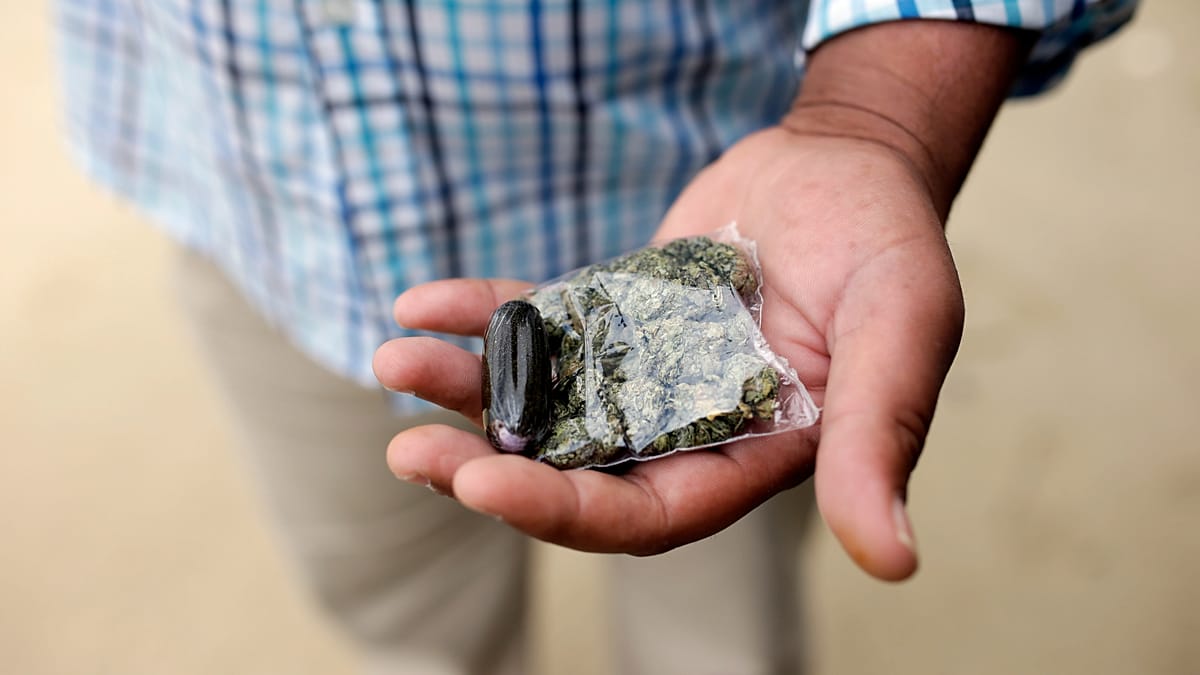
According to EUDA data, cannabis remains the most used illicit drug, with around 15.4 million young adults aged 15 to 34 reporting use in the previous year.
Cocaine is the second most used, with about 2.5 million young adults. However, the market is becoming increasingly complex and harmful: availability remains high, cocaine residues are rising in 57 per cent of monitored European cities, and synthetic substances are becoming more prominent.
Trafficking is getting more sophisticated
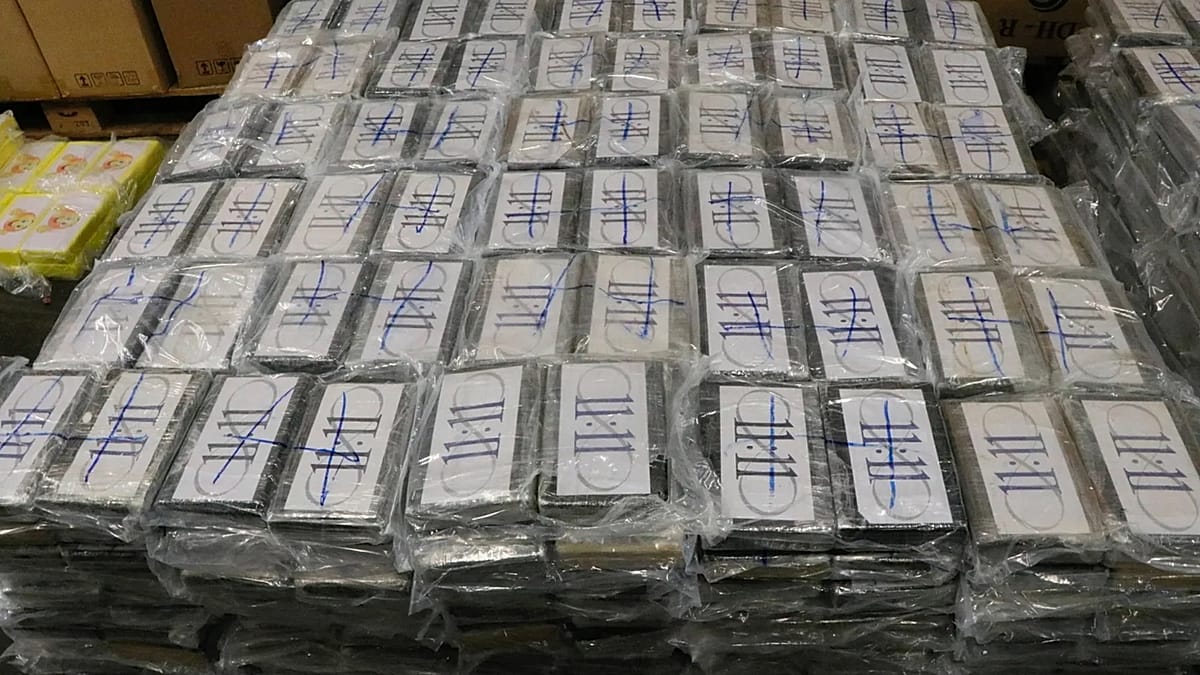
Over five years, at least 1,826 tonnes of illicit drugs were seized in connection with EU seaports. Criminal networks continue to rely on commercial container shipping through major ports such as Antwerp and Rotterdam, but are shifting activity to smaller ports to avoid detection.
Annual cocaine seizures reached 330 tonnes, while the number of individual seizures rose to 97,000. Criminal groups are increasingly splitting shipments into smaller consignments, reducing the risk of major losses when individual loads are intercepted.
Europe is becoming an important production hub as well as a destination market. In a single year, authorities dismantled 42 cocaine extraction sites, 110 amphetamine laboratories and around 4,000 illicit cannabis cultivation sites. Combined with the 1.6 million drug-law offences recorded annually across the EU, EUDA’s findings reveal a market that is increasingly resilient, adaptable and difficult to disrupt.
The health burden
At least 7,600 drug-induced deaths were recorded across the EU in a single year, with most involving multiple substances. Emergency departments and harm-reduction programmes keep facing growing pressure from trends such as rising crack cocaine use and the spread of new synthetic opioids.
Opioids remain the drugs most frequently linked to fatal overdoses, often in combination with other synthetic substances. The EUDA warned specifically about growing use of synthetic opioids such as nitazenes and orphines, which have been linked to fatal poisonings and emergency hospital admissions across the bloc. These require extreme medical intervention due to the narrow margin between a single dose and a fatal overdose.
Wastewater monitoring also indicates rising cocaine consumption in many European cities, while crack cocaine is placing increasing pressure on harm-reduction and treatment services.
Additionally, treatment programs specifically designed for ketamine addiction have quadrupled over a five-year period, requiring rapid structural adaptation from clinics.
“[Increases in consumption] are putting additional pressure on health services. Treatment providers need to respond to a wider range of substances and often more complex health and social needs. But I would like to then turn it around and frame it back in the framework of prevention, treatment, social reintegration…”, the World Federation Against Drugs (WFAG) explained.
“When people are supported into recovery, education and employment, it not only supports their own life, but also reduces very much the long-term costs for health care and social services and welfare systems”, the federation added.
The strategy
To fight illicit drugs, the Commission proposed the new EU drug strategy in December 2025. It builds on the previous 2021-2025 drug strategy, strengthening the focus on security and preparedness.
According to WFAG, the old strategy did not fail; it made significant progress in monitoring and law enforcement. “But we also need to acknowledge that the drug market is constantly changing […] so these developments, of course, create new challenges that require our responses to also evolve”, the federation explains.
The strategy is structured around five pillars. The first focuses on preparedness to better anticipate and monitor the drug situation. Concretely, this means faster monitoring and data collection on drug trends, and more coordinated cross-border information sharing.
“The biggest positive shift is the ambition to be proactive, rather than reactive. The strategy takes a more integrated approach across prevention, treatment, power reduction, which also includes environmental and social harm”, WFAG explained.
Prevention and awareness programmes target drug use and dependence. Individuals with drug disorders can benefit from broader access to treatment, social support, and reintegration programmes. While failing to prevent drug addiction puts enormous costs on society, “it is also something that is not always presented as such because it cannot be immediately shown with numbers”, the federation explained.
The third pillar boosts internal security through stronger measures fighting organised crime, including public-private cooperation to detect drugs in postal services, a dedicated EU ports strategy, and stronger actions to dismantle production laboratories. The EU also imposes stricter controls on the use of precursors, which are chemicals legally used in batteries and cosmetics but illegally used in drug production.
Harm-reduction measures focus on protecting individuals from the worst consequences of drug use, such as overdose and infectious diseases, while also protecting young people from recruitment into criminal networks.
The last pillar highlights the global nature of the fight: stronger international cooperation and law enforcement partnerships with non-EU countries.
Alongside the strategy, the EU Action Plan on drug trafficking sets 19 practical actions to combat organised crime networks, including stronger detection tools; public-private cooperation against illicit trafficking by post; and tighter rules for high-speed boats transporting illicit drugs.
Member states and EU agencies
Member states need to prepare and adapt their national structures to implement the strategy across health and social services and law enforcement.
“While there are gaps, I think I would describe it as an aggressively improving situation with very committed member states that work in partnership with us […]”, Nolan said.
The first pillar requires national governments to upgrade existing data systems, step up preventive measures and accelerate the deployment of medical countermeasures during sudden escalations. On public health, countries must step up prevention programmes, expand access to evidence-based treatments, and strengthen national recovery facilities to ensure affordable, high-quality health and social care. The security pillar encourages improvements to national detection, investigative, and prosecution systems through targeted measures, including efforts to address asset recovery and infiltration into legal businesses.
Member states must prioritise different aspects of their national systems based on their specific situations. For Belgium and the Netherlands, the biggest challenge will be stepping up security and port resilience as they remain focal points for trafficking. Germany, Italy and France count the higher number of people injecting drugs, calling for stronger preventive treatments, social care and awareness-warning initiatives.
EUDA will help member states as “a key partner in the delivery of the strategy under each of the five pillars”, Nolan said.
“[…] our role really is one where we promote evidence-lead responses and interventions. We also work with the National Local Points on monitoring […]. In terms of the implementation framework, we have been given a role in relation to assisting in measuring the outcomes that arise from the implementation of the strategy”.
Nolan explained that cooperation between Frontex and Europol remains crucial to assist member states. Frontex will protect the bloc’s internal security by fighting drug trafficking at the external borders, while Europol, as the intelligence hub, will monitor the drug market and coordinate cross-border investigations.
“More than ever before, we are working in a time when that partnership is absolutely critical. We are looking for every opportunity to increase that, to stay focused on the objectives of both the strategy and the implementation framework”, Nolan told Euronews.