
Times Network New Zealand
  • Home
  • Local News
  • World
  • Business
  • Lifetyle
  • Entertainment
  • Technology
  • Travel
  • Food
  • Editor’s Choice
  • Press Release
What's On
What Canada, accustomed to extreme winters, can teach Europe

What Canada, accustomed to extreme winters, can teach Europe

January 10, 2026
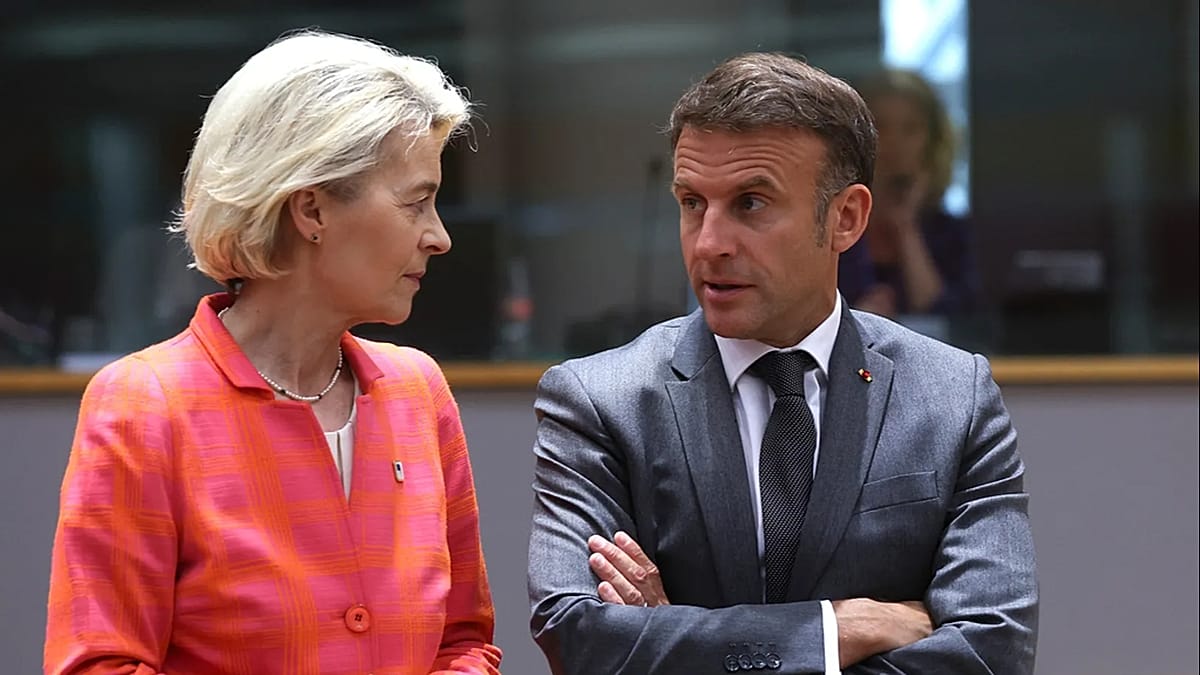
Mercosur: How Macron’s domestic weakness undercut his Brussels clout

Mercosur: How Macron’s domestic weakness undercut his Brussels clout

January 10, 2026
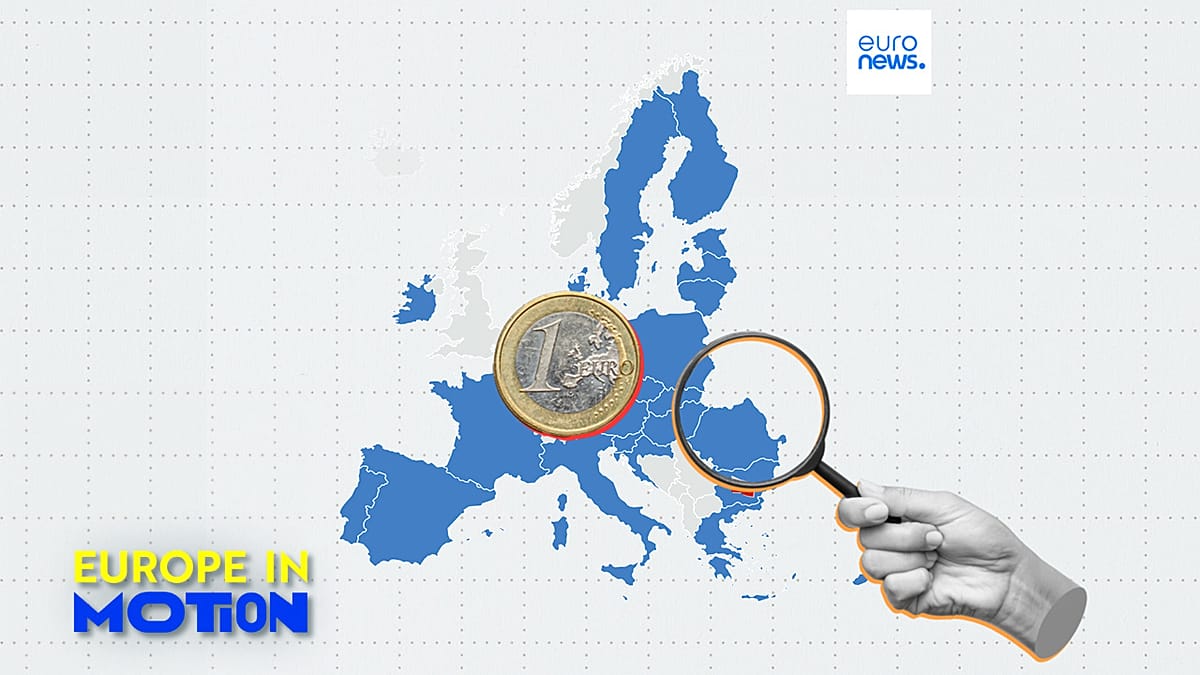
As Bulgaria joins the euro, how do the other 20 member states see the currency?

As Bulgaria joins the euro, how do the other 20 member states see the currency?

January 10, 2026
Repair and reuse: inside Europe’s refurbished tech market

Repair and reuse: inside Europe’s refurbished tech market

January 10, 2026
EU rejects violence against protesters in Iran, backs ‘legitimate aspiration’ for change

EU rejects violence against protesters in Iran, backs ‘legitimate aspiration’ for change

January 10, 2026
Facebook X (Twitter) Instagram
Web Stories
Facebook X (Twitter) Instagram
Times Network New Zealand
Subscribe
  • Home
  • Local News
  • World
  • Business
  • Lifetyle
  • Entertainment
  • Technology
  • Travel
  • Food
  • Editor’s Choice
  • Press Release
Times Network New Zealand
Home » EU agrees new sanctions on Russia as US threatens ‘substantial pickup’ in pressure
World

EU agrees new sanctions on Russia as US threatens ‘substantial pickup’ in pressure

By Press RoomOctober 23, 20253 Mins Read
EU agrees new sanctions on Russia as US threatens ‘substantial pickup’ in pressure
Share
Facebook Twitter LinkedIn Pinterest Email
EU agrees new sanctions on Russia as US threatens ‘substantial pickup’ in pressure

Published on
22/10/2025 – 22:43 GMT+2

The European Union has agreed to impose a new round of sanctions against Russia just as the United States threatened a “substantial pickup” in restrictions, piling pressure on the Kremlin to agree to an immediate ceasefire in Ukraine.

“We are going to, either announce after the close this afternoon or first thing tomorrow morning, a substantial pickup in Russia sanctions,” US Treasury Secretary Scott Bessent said on Wednesday, without providing further details.

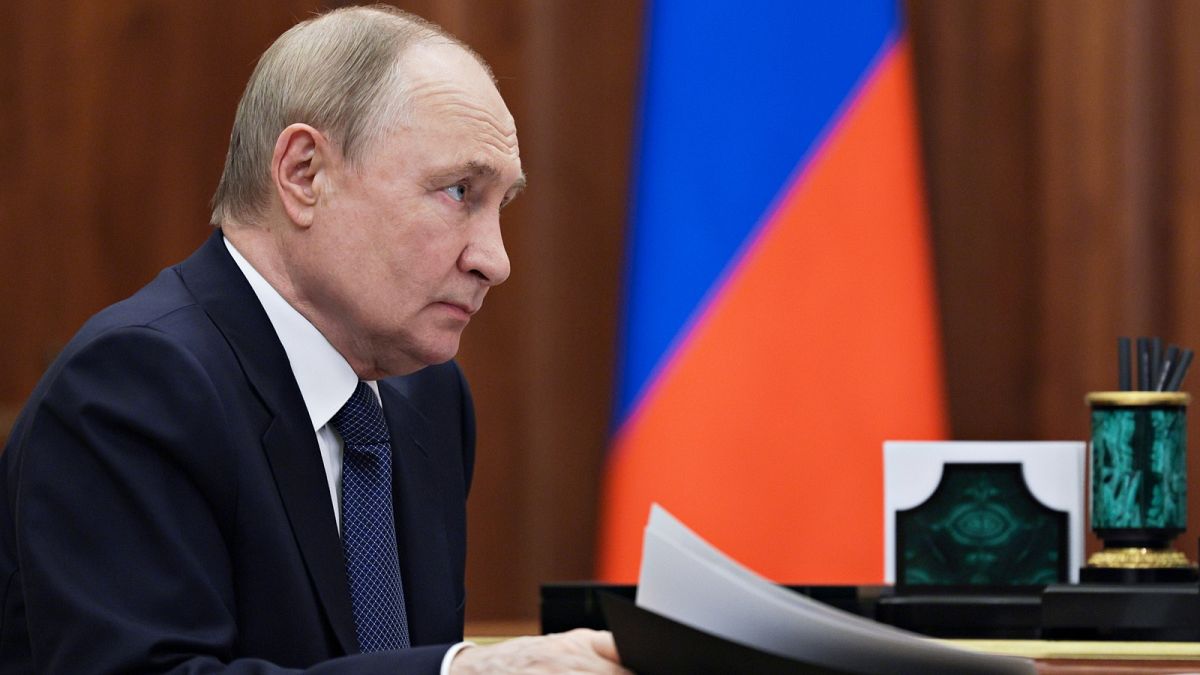
His comments come after the indefinite cancellation of a meeting between US President Donald Trump and Russian President Vladimir Putin in Budapest. The White House called it off after detecting that Russia’s maximalist position remained unchanged.

For the past year, Europeans have been pleading with the Americans to tighten the screws on the Russian economy, a step that Trump has, until now, refused to take.

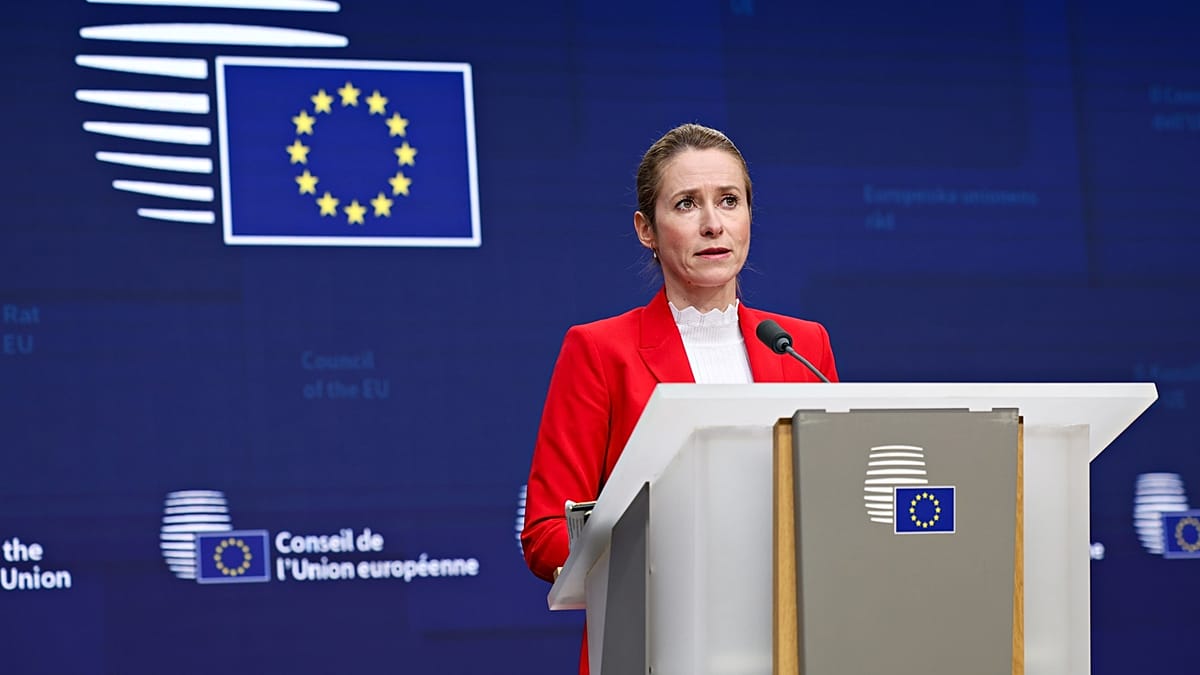
At the same time in Brussels, ambassadors agreed on the 19th package of sanctions since February 2022, according to the Danish presidency of the EU Council.

The deal was made possible after Robert Fico, the prime minister of Slovakia, relented and lifted his veto over unrelated demands about high energy prices and the future of the automotive industry, which he was poised to bring to a summit on Thursday.

It introduces the bloc’s first-ever ban on imports of Russian liquefied natural gas (LNG) as of 1 January 2027. The prohibition will allow the remaining suppliers (Belgium, France, the Netherlands, Spain and Portugal) to invoke force majeure and break long-term contracts with Moscow that could otherwise lead to multi-billion-euro lawsuits.

The sanctions forbid all transactions with Rosneft and Gazprom Neft, two leading providers of Russian oil, and blacklist an additional 117 vessels from the “shadow fleet”, which is used to circumvent the price cap on oil, bringing the total to 558 ships.

The vessels are denied access to EU ports and EU services.

A host of financial measures are applied, targeting several Russian banks, payment systems, special economic zones, cryptocurrency platforms and 45 entities accused of enabling circumvention, including 12 in China and Hong Kong.

A key novelty is a mechanism that can allow capitals to curb the movement of Russian diplomats across the passport-free Schengen area.

Members of Russia’s diplomatic and consular missions, including administrative and technical staff and family members, will now be obliged to notify their intention to travel to or transit through another member state beyond their host nation.

The notification should be issued at least 24 hours before arrival, and detail the means of transport and the date and point of entry/exit. The receiving state will then have the possibility to either allow or deny passage.

In its reasoning to propose the mechanism, the European External Action Service (EEAS) had argued that Russian diplomats are “often involved in activities that contribute to Russia’s aggression against Ukraine, notably by spreading the Russian rhetoric on the causes of the war, its unfolding and the role of the Union”.

Russian diplomats who move across the bloc are at risk of engaging in “coordinated information manipulation and interference or other acts targeted at manipulating public opinion”, said the original document drafted by the EEAS.

The 19th package is expected to be formally adopted on Thursday.
Share. Facebook Twitter Pinterest LinkedIn Tumblr Email

Keep Reading

What Canada, accustomed to extreme winters, can teach Europe

What Canada, accustomed to extreme winters, can teach Europe

Mercosur: How Macron’s domestic weakness undercut his Brussels clout

Mercosur: How Macron’s domestic weakness undercut his Brussels clout

As Bulgaria joins the euro, how do the other 20 member states see the currency?

As Bulgaria joins the euro, how do the other 20 member states see the currency?

Repair and reuse: inside Europe’s refurbished tech market

Repair and reuse: inside Europe’s refurbished tech market

EU rejects violence against protesters in Iran, backs ‘legitimate aspiration’ for change

EU rejects violence against protesters in Iran, backs ‘legitimate aspiration’ for change

EU member states back Mercosur deal, French MEPs vow fight in Parliament

EU member states back Mercosur deal, French MEPs vow fight in Parliament

Podcast: What does Maduro’s capture mean for the EU?

Podcast: What does Maduro’s capture mean for the EU?

Donald Trump intends to visit Hungary’s Orbán during key election campaign

Donald Trump intends to visit Hungary’s Orbán during key election campaign

EU troops might be needed to stop a US showdown in Greenland

EU troops might be needed to stop a US showdown in Greenland

Editors Picks
Mercosur: How Macron’s domestic weakness undercut his Brussels clout

Mercosur: How Macron’s domestic weakness undercut his Brussels clout

January 10, 2026
As Bulgaria joins the euro, how do the other 20 member states see the currency?

As Bulgaria joins the euro, how do the other 20 member states see the currency?

January 10, 2026
Repair and reuse: inside Europe’s refurbished tech market

Repair and reuse: inside Europe’s refurbished tech market

January 10, 2026
EU rejects violence against protesters in Iran, backs ‘legitimate aspiration’ for change

EU rejects violence against protesters in Iran, backs ‘legitimate aspiration’ for change

January 10, 2026
Latest News
What Canada, accustomed to extreme winters, can teach Europe

What Canada, accustomed to extreme winters, can teach Europe

January 10, 2026
Mercosur: How Macron’s domestic weakness undercut his Brussels clout

Mercosur: How Macron’s domestic weakness undercut his Brussels clout

January 10, 2026
As Bulgaria joins the euro, how do the other 20 member states see the currency?

As Bulgaria joins the euro, how do the other 20 member states see the currency?

January 10, 2026
Facebook X (Twitter) Pinterest TikTok Instagram
© 2026 Times Network New Zealand. All Rights Reserved.
  • Privacy Policy
  • Terms
  • Advertise
  • Contact

Type above and press Enter to search. Press Esc to cancel.