In Brussels, hyperbole is frequent, but to call this a make-or-break week for the bloc is no exaggeration.
The European Union has reached a decision point on three crucial issues that could shape its global image and international standing.
From Ukraine peace talks to issuing an unprecedented reparations loan that sparked Moscow’s ire and sealing the deal on Mercosur after 20 years in the making, all three are marred by uncertainty.
At stake is the 27-member bloc’s credibility to shape its foreign policy and trade agenda, facing a more aggressive Trump administration looking to put America first and to shape global relations in alignment with its interests, a more assertive China extending its economic might into highly innovative sectors and the security threat posed by Russia.
European leaders will meet in Brussels on Thursday for their final gathering of the year. With the clock ticking, the next four days will prove crucial for the EU.
Decisions “one way or the other,” as one diplomat suggested, will have consequences. Another diplomat said this would be the most consequential European summit since leaders agreed at an emergency gathering in summer 2020 to launch a historic programme to issue debt collectively after the coronavirus pandemic.
Since he was appointed head of the European Council, which represents the group of 27 leaders, António Costa has been an effective time manager and kept meetings to the point.
This time, it could be different as the Thursday summit could turn into a long night in the most Brussels way. You know when it starts, but not when it finishes.
Ukraine in focus as Europe pushes for fair peace
Meanwhile, European leaders gathered in Berlin on Monday to hold talks with Ukrainian President Volodymyr Zelenskyy, who is also speaking in parallel with a US delegation that includes President Donald Trump’s son-in-law Jared Kushner and special envoy Steve Witkoff.
Both were instrumental in securing a ceasefire in Gaza, but Russia’s war in Ukraine has proven far more complicated.
Europeans have been trying to muscle their way back to the negotiating table after a controversial draft arrangement cut directly between Moscow and Washington last month sparked concerns about an unfair deal for Ukraine.
The initial plan suggested sweeping territorial concessions and sidelining Europeans on key issues, including the continent’s overall security structure and the commercial use of the Russian frozen assets held in the EU.
Both Ukraine and the EU have refused to enter discussions about territories without first obtaining explicit security guarantees.
Last week, Kyiv said it would produce an updated plan with European input to be presented before the US.
For Europe, it is a delicate balancing act between swaying the terms in Ukraine’s favour, pushing back against Russia and keeping the US president engaged. European diplomats also acknowledge the bloc cannot be seen as “warmongering’ in the eyes of the Trump administration, or that could damage Ukraine.
One idea floated is that Ukraine, in its new 20-point plan, streamlined from the Moscow-negotiated 28-point deal, could give up its longstanding aspiration to join NATO in exchange for security guarantees and accelerated EU membership.
Reports suggested an entry date of 1 January 2027.
A diplomat told Euronews that it would not be realistic or desirable as the process is merit-based, and enlargement implies an extensive reform agenda.
But by putting a date on paper, Ukraine is moving the conversation from “if” to “when” and placing the ball in the EU’s court. For the US, it is a way to offload further responsibilities onto the bloc.
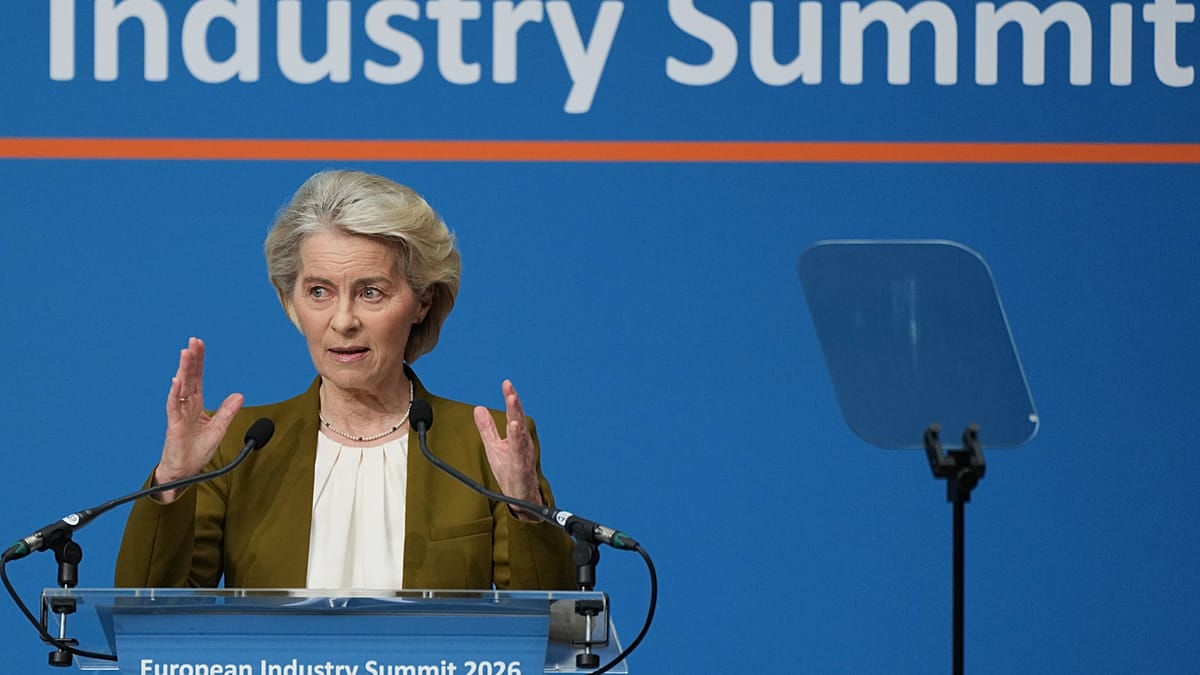
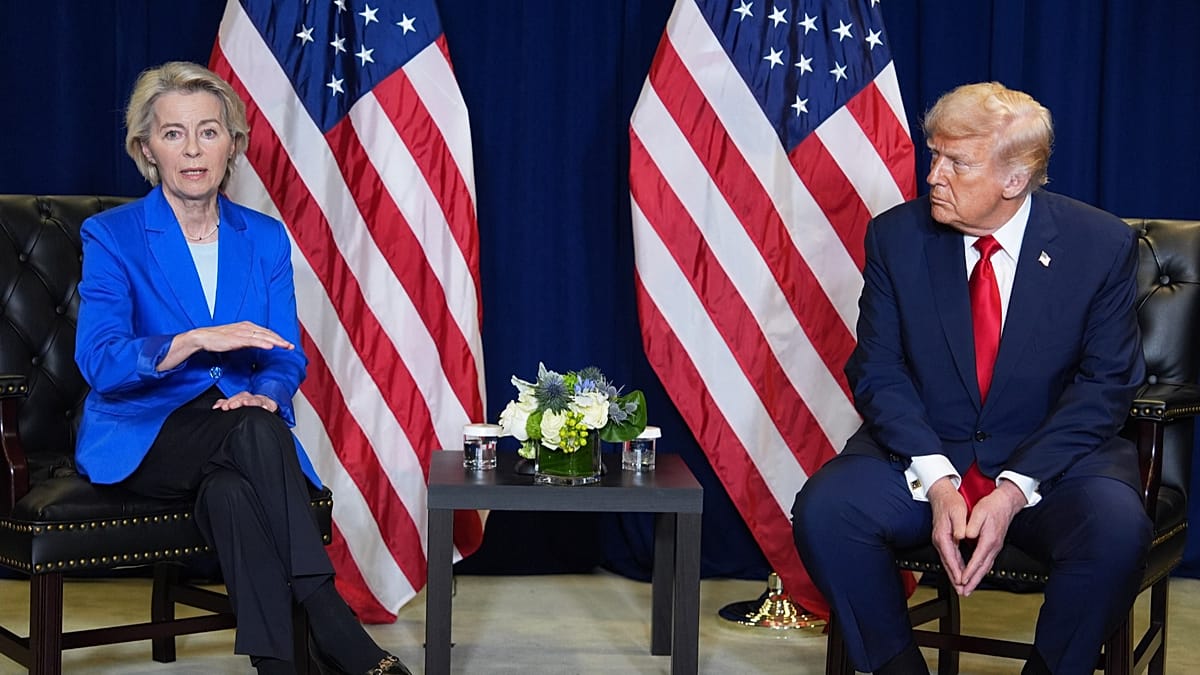
European Commission President Ursula von der Leyen argues the country belongs in the EU, but it must follow through the steps that come with accession.
The Commission has resisted portraying Ukraine’s membership as politically motivated. Putting a date before reforms are completed and the process is done would contradict that.
Time out for reparation loan for Ukraine
Even if Kyiv, the Trump administration and the EU end up stabilising a peace settlement that the three can agree on, it does not guarantee that Moscow’s war will end immediately.
In fact, Russia is likely to reject a deal that is acceptable for Ukraine at this stage and won’t pay compensation for the damage inflicted either.
Europeans have not given up the idea of using the immobilised frozen assets, held for the most part in Belgium, to issue a reparations loan to Ukraine.
That would see Russia — and not the European taxpayer — cover the cost and establish a direct financial channel. Europeans also argue that it would set a precedent under the principle of “you break, you pay.”
Still, Belgium, which holds €185 billion of the €210 billion in Russian assets frozen held in Europe, is resisting the idea and calling for alternatives.
The hardline adopted by Belgian Prime Minister Bart de Wever reflects the Belgian government’s concerns about retaliation and possible legal setbacks. However, it also demonstrates a broader mood among the Belgian political class and public opinion, which does not consider it a good idea.
A European diplomat told Euronews that de Wever’s resistance is no bluff: according to them, it has cross-party political support, and it plays well with the Belgian electorate.
“Do not underestimate that,” the diplomat said. A poll published Monday suggested 63% of Belgians support de Wever’s position as he continues to call for a plan B.
For the majority of the Council, representing the 27 leaders, there is no plan B.
Certainly not as good or effective as converting the assets into a reparations loan to the tune of €90 billion for 2026 and 2027. EU foreign policy chief Kaja Kallas told reporters Monday the reparations loan is coming under pressure from all sides — including the US.
Some officials worry that the Trump administration will use the frozen assets for commercial purposes as part of a post-war investment deal with Russia. That would be in line with Trump’s mercantilist foreign policy at times.
To avoid that, the EU agreed last week to keep the Russian assets permanently immobilised under its jurisdiction, using a legal workaround under Article 122 of the Treaty on the Functioning of the European Union (TFEU), which is used for economic emergencies.
Still, there is a growing impression that the EU has exhausted the options to make the reparations loan work if the Belgians and others, including Italy, which is pushing for alternatives, block it.
Inking the Mercosur deal to counter the Trump tariff hammer
Since the Trump administration introduced sweeping tariffs worldwide, including a 15% rate on the EU, effectively tripling duties on products made in Europe, Brussels has argued that it must diversify trade ties and open new markets for European products.
After a psychodrama that has now extended for more than 20 years, the EU is closer than ever to sealing the Mercosur agreement, which would open up trade with Brazil’s powerhouse economy, as well as Argentina, Paraguay and Uruguay.
Beyond the trade opportunities, the EU argues it has become a geopolitical imperative at a time when multilateralism and its benefits are coming under intense scrutiny.
The EU looks at itself as the champion of rules-based trade.
While the deal seemed on track after the Commission and Germany threw their weight behind it, and new safeguards were incorporated to appease the anger of European farmers, whose lobby is very powerful in shaping the EU’s agricultural policy and budget subsidies, France is now calling for a delay in the vote.
A qualified majority, necessary to pass it, remains uncertain.
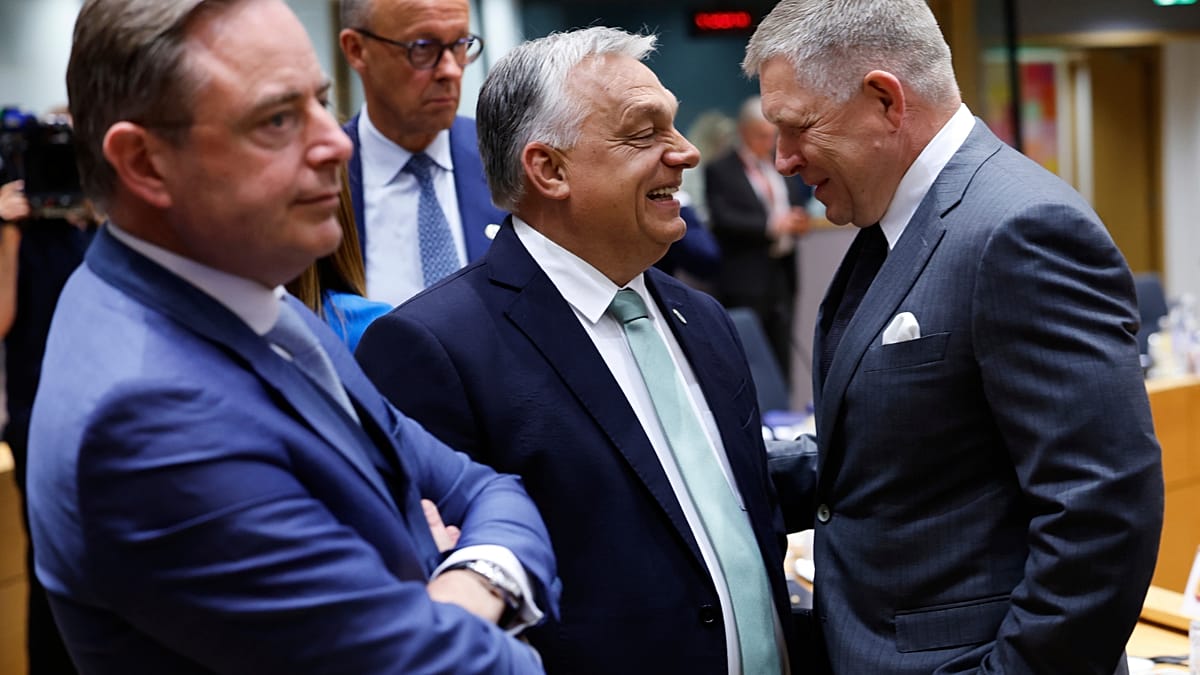
Poland and Hungary have joined France in opposing the pact, while Belgium plans to abstain and Austria leans towards no. The Netherlands and Ireland have yet to declare their positions, and Italy’s standing on the vote is unclear as it ponders the domestic mood over a deal that carries decades of toxic baggage.
A diplomat from a country supportive of the deal said Europe would look “ridiculous” if it does not get the Mercosur over the finish line before the year ends.
Von der Leyen is to fly out to Brazil on 20 December, but that depends on the outcome of the vote and whether France can secure an eleventh-hour blocking majority. If that is the case, the diplomat said, Mercosur “is effectively over.”
French authorities argue their concerns regarding unfair competition and environmental standards are legitimate and must be considered. Supporters of Mercosur, including Germany and Spain, say the problems have been sufficiently addressed and that the deal has to be seen in the broader, complex geopolitical context.
At this stage, the only sure thing is that it will go to the wire.