

Published on •Updated
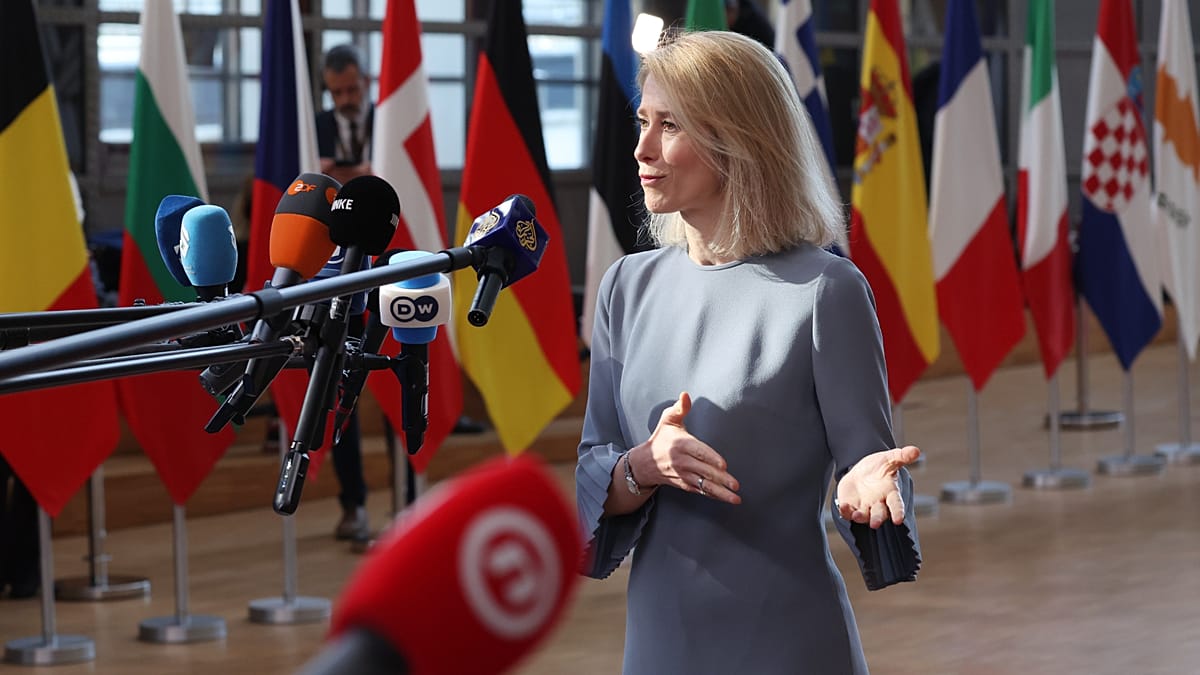
EU leaders will gather on Thursday to informally discuss priorities for Europe’s economic agenda, including how to strengthen the single market and make Europe more economically independent and competitive.
Among proposals on the table include dismantling barriers for European Union-based businesses via a “simplification” agenda, attracting investment from outside the EU, using Eurobonds, and giving preference to EU firms in order to strengthen European industries.
Although all leaders agree that the bloc need to be stronger and more resilient in the face of rising Chinese market dominance and the United States’ aggressive trade policy, there are still different views on how to make it happen.
EU leaders are not expected to make decisions at this week’s informal summit, but the quality of the talks in the Alden Biesen Castle might give an indication on what they practically mean by strengthening the single market, reduce Europe’s dependence on foreign powers and make Europe more competitive.
The Draghi summit and the ‘genuine federation’
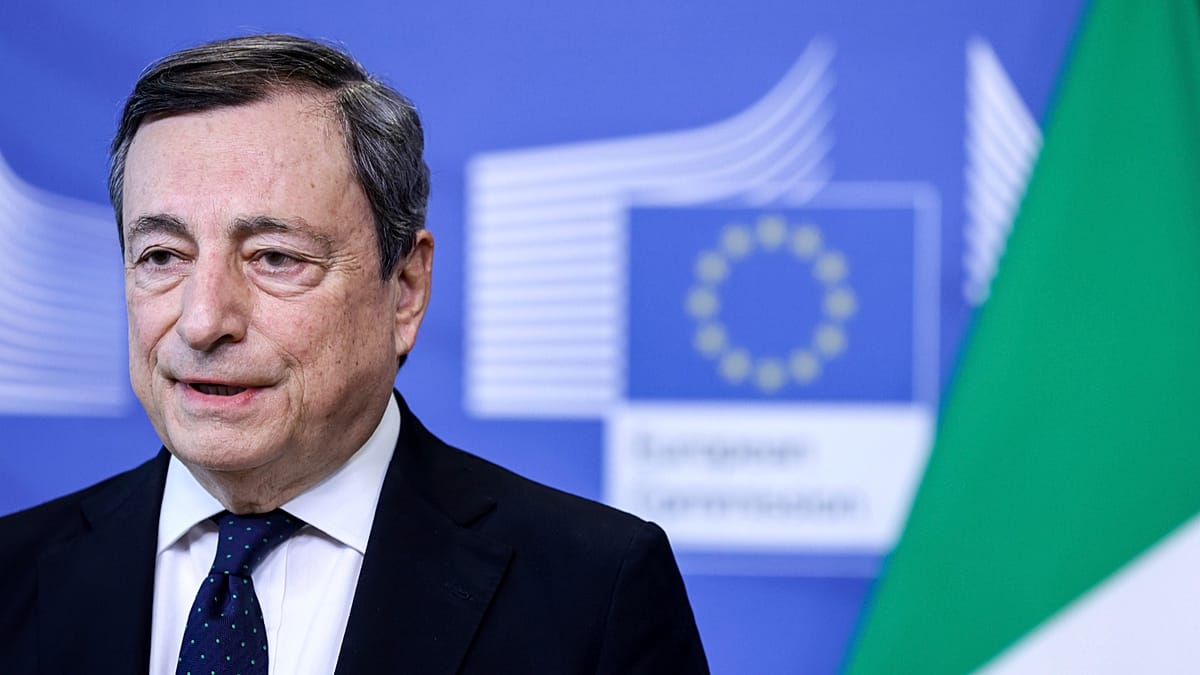
Among those invited to the retreat are former Italian prime ministers Enrico Letta and Mario Draghi. The two men each wrote reports in 2024 on the single market and on how to make Europe more competitive respectively, with Draghi’s proposals in his report grabbing particular attention.
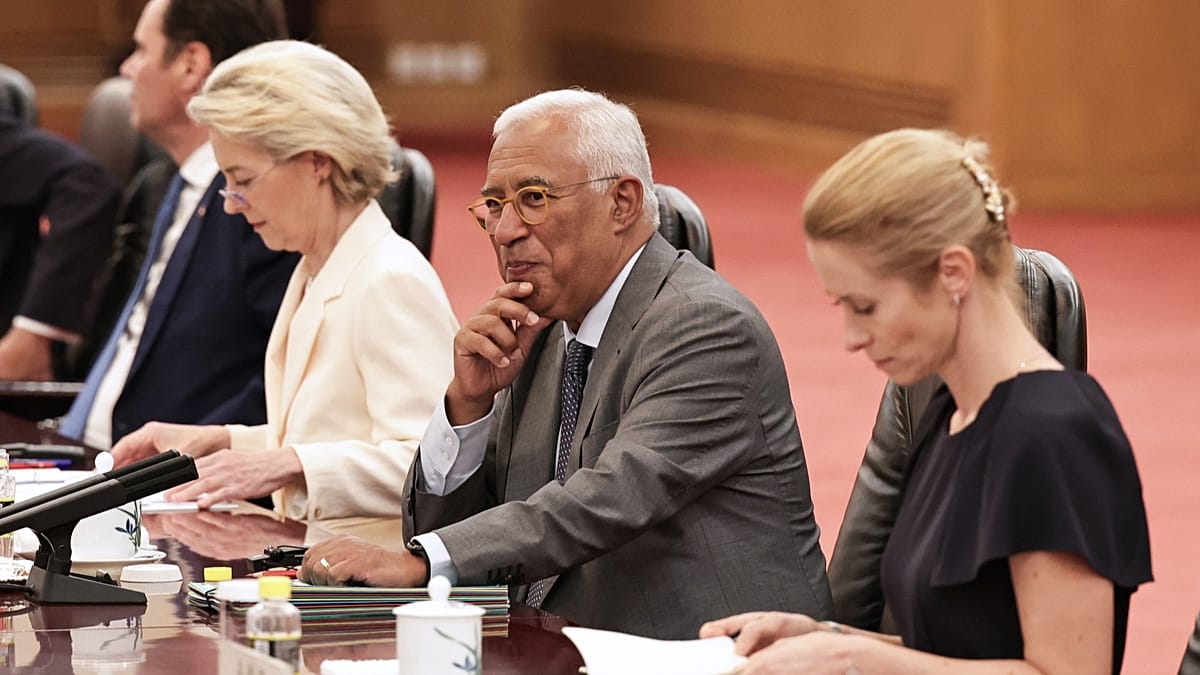
“I invited Mario Draghi and Enrico Letta to join us as we take stock of what we’ve done but also look at what we need to deliver,” European Council president António Costa told Euronews in an interview.
In a speech in early February, Draghi warned that the EU “risks becoming subordinated, divided and deindustrialised” if it does not turn into a “genuine federation”.
Political and structural divisions among member states are making Europe weak, he said.
However, the creation of a European federation is not supported by many in the bloc. Among the key opponents is the current Italian Prime Minister, Giorgia Meloni, who has several times explicitly attacked the idea of a European federation and instead argued for a Europe of powerful member states.
‘Made in Europe’
Also on the agenda will be how to cut red tape for European businesses, with Germany and Italy leading a discussion on the subject.
In a joint document seen by Euronews, the two countries pitch an agenda of simplifying EU legislation, the so-called “omnibus” the European Commission has been presenting since the beginning of its mandate in December 2024.
The goal is to make Europe less bureaucratic in order to make European business flourishing and attract foreign investments.
A debate on giving the preference to EU industry to boost the sector is on the agenda on Thursday, with still different views on the table on how to make that happen. But “EU industries first on strategic sector” will rank high on the agenda on Thursday, according to a diplomat source who spoke with Euronews on condition of anonymity.
Draghi’s report strongly supported financing Europe’s growth with Eurobonds, and French President Emmanuel Macron raised the idea on Tuesday in several interviews given to European outlets.
“Given that the European budget is constrained, now is the time to launch a common debt capacity for these future expenditures, future Eurobonds. We need major European programs to finance the best projects,” Macron said.
According to Draghi’s report, Europe needs between €750 and €800 billion per year to be competitive.