


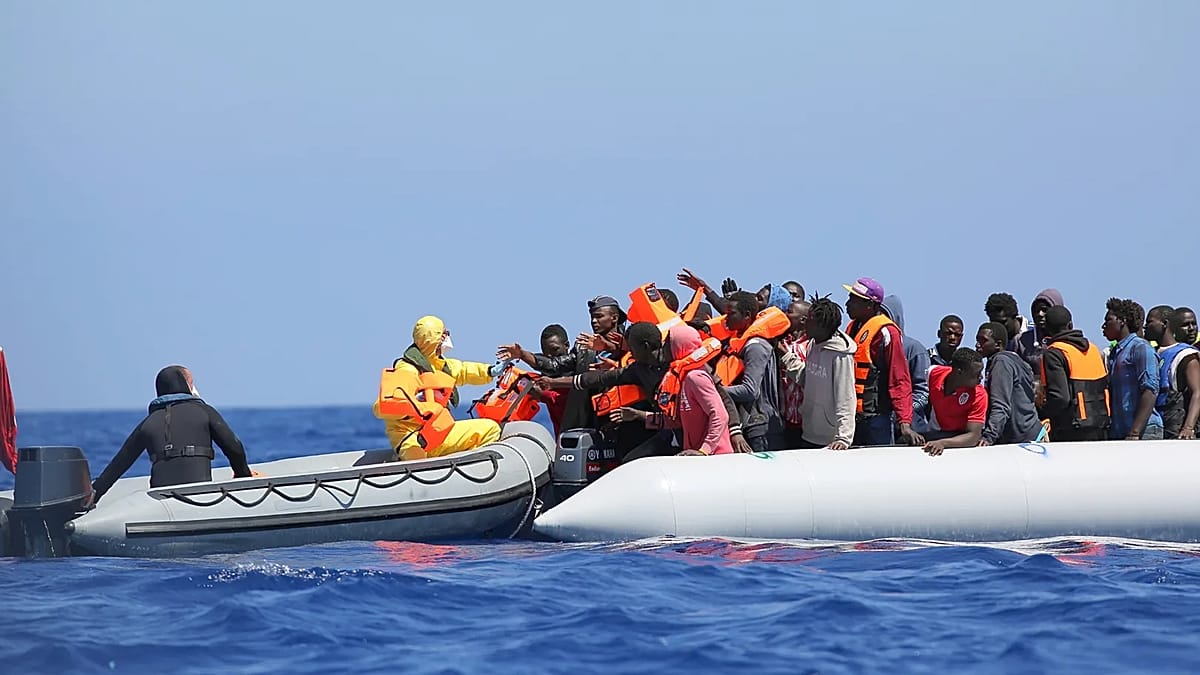
Relocations of asylum seekers across the EU from countries under the most pressure from migration are set to be fewer than previously expected in 2026.
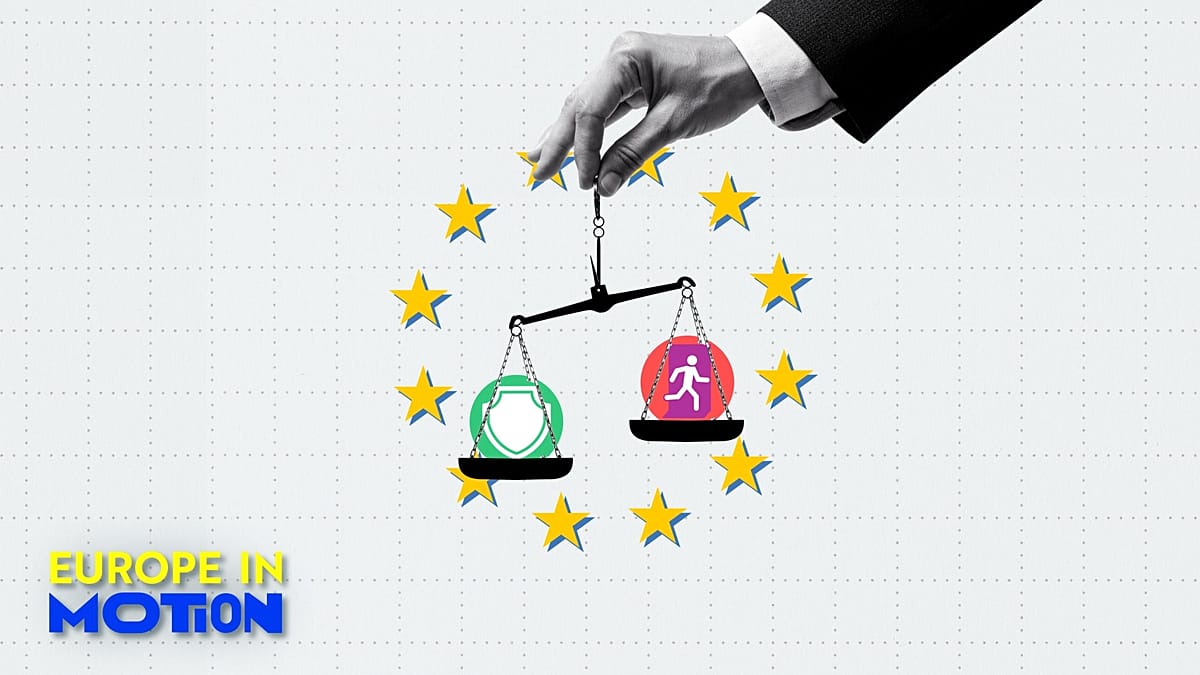
At a meeting in Brussels on Monday, the 27 EU Home Affairs Ministers are set to discuss the size of the “solidarity pool”, a mechanism to determine the total number of asylum seekers to be relocated the following year and the amount each country should allocate, or to compensate for by paying.
The European Commission proposed to relocate a certain number of asylum seekers from four countries considered “under migratory pressure”: Spain, Italy, Greece, and Cyprus.
The details of the proposal are classified, but according to sources, the pool amounts to 30,000 individuals. However, EU member states are expected to try and reduce this number, as national governments are not keen either to take more migrants in or to pay out compensation to other states for doing so.
“It will be less than 30,000”
According to EU rules, countries labelled as “under migratory pressure” should benefit the following year from the mandatory solidarity of other EU member states, who will either relocate asylum seekers to their own territory or provide financial contribution to those under the most pressure.
It falls to the European Commission to propose the size of this solidarity mechanism, with a legal minimum of 30,000 relocations and €600 million in financial contributions. Member states can then decide which way they want to contribute.
According to a EU source who saw the classified document, the Commission chose the highest possible minimum level of relocations.
In practice, this would mean 30,000 asylum seekers would be relocated from the four southern EU member states to the other 23, distributed in different numbers. They will be relocated according to quotas based on the states’ populations and GDP.
According to the person who saw the document, in the Commission proposal, the shares are expressed as percentages, not real numbers, with Germany taking the largest share. Some 42 per cent of the relocations proposed are to cover people rescued at sea and disembarked in one of the four countries under pressure.
However, member states are keen to reduce this overall number, arguing that the first solidarity cycle should be shortened, as the new migration rules will enter into force only in June 2026.
“States want to adapt the size,” one diplomat said. “It will be lower than what the Commission proposed.”
Despite this reduction not being explicitly provided for in the law, the Commission seems open to the possibility for next year.
“The Commission’s proposal for the annual solidarity pool covers a full year, but the reduced period of implementation is an element that the Council may consider in the process leading up to adoption of the solidarity pool,” a Commission spokesperson said during a press briefing on Friday.
Member states say no
Besides the possible reduction in the pool’s size, the number of member states contributing could also shrink.
According to the Commission’s proposal, another group of countries classified as “facing a significant migratory situation” could ask for a total or partial exemption from their quotas, which must be approved by other member states.
Bulgaria, Czechia, Estonia, Croatia, Austria, and Poland have this option, and most of them have requested the exemption, several EU sources told Euronews.
In the case of Poland, the request was announced by Prime Minister Donald Tusk a few hours after the proposal.
“Poland will not be accepting migrants under the Migration Pact. Nor will we pay for it,” he wrote on X.
Any exemption will need to be approved by EU ministers through a qualified majority. This means that 15 out of 27 member states, representing at least 65% of the total EU population, have to support it.
Any exempted country’s share of relocations and financial contribution is not reassigned to other states, meaning that countries “under migratory pressure” will receive less help in the overall package.
“Exemptions and reductions should be as low as possible and truly motivated,” one diplomat said, suggesting this would be a particularly contentious point at the meeting.
No exemption or reduction can be granted to Hungary, for instance, despite Prime Minister Viktor Orbán insisting he will not apply the rules.
According to sources familiar with the matter, most of the EU countries would rather pay a financial contribution, which amounts to €20,000 per person not relocated, than host migrants. Some, like Germany or Sweden, would probably profit from the “responsibility offset”, a mechanism foreseen by the law which could reduce even more the effective relocations.
Several member states in Central and Northern Europe are currently hosting people who should have asked for asylum in their first country of arrival, and have instead irregularly moved through the EU (the so-called “secondary movements”).
According to the offset mechanism, any country could deduct these people from its solidarity quota, instead of sending them back to frontline countries, which has proved very complicated up to now.
“Italy and Greece have not been accepting transfers under the previous system. So this mechanism will be a concrete opportunity”, a diplomat said.