
Close Menu
Times Network New Zealand
  • Home
  • Local News
  • World
  • Business
  • Lifetyle
  • Entertainment
  • Technology
  • Travel
  • Food
  • Editor’s Choice
  • Press Release
What's On
What is Europe’s answer to the housing crisis? Ask the Euronews AI chatbot

What is Europe’s answer to the housing crisis? Ask the Euronews AI chatbot

March 23, 2026
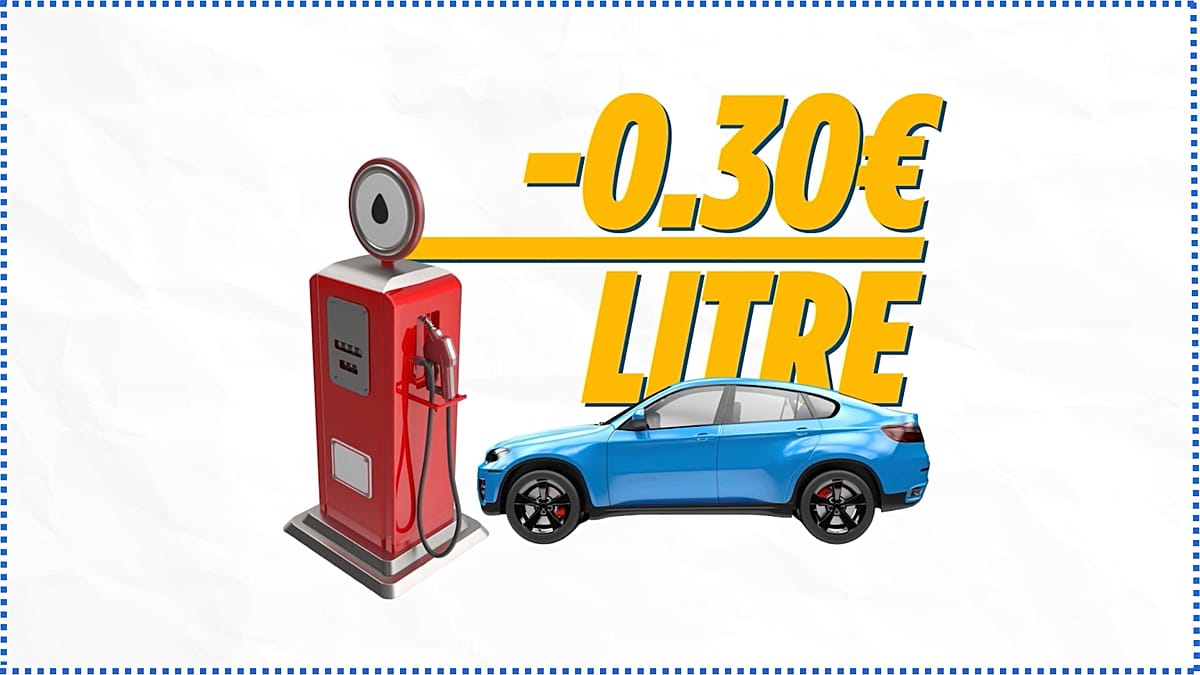
Watch: Spain is spending €5bn to lower its energy costs — will other EU members follow?

Watch: Spain is spending €5bn to lower its energy costs — will other EU members follow?

March 23, 2026
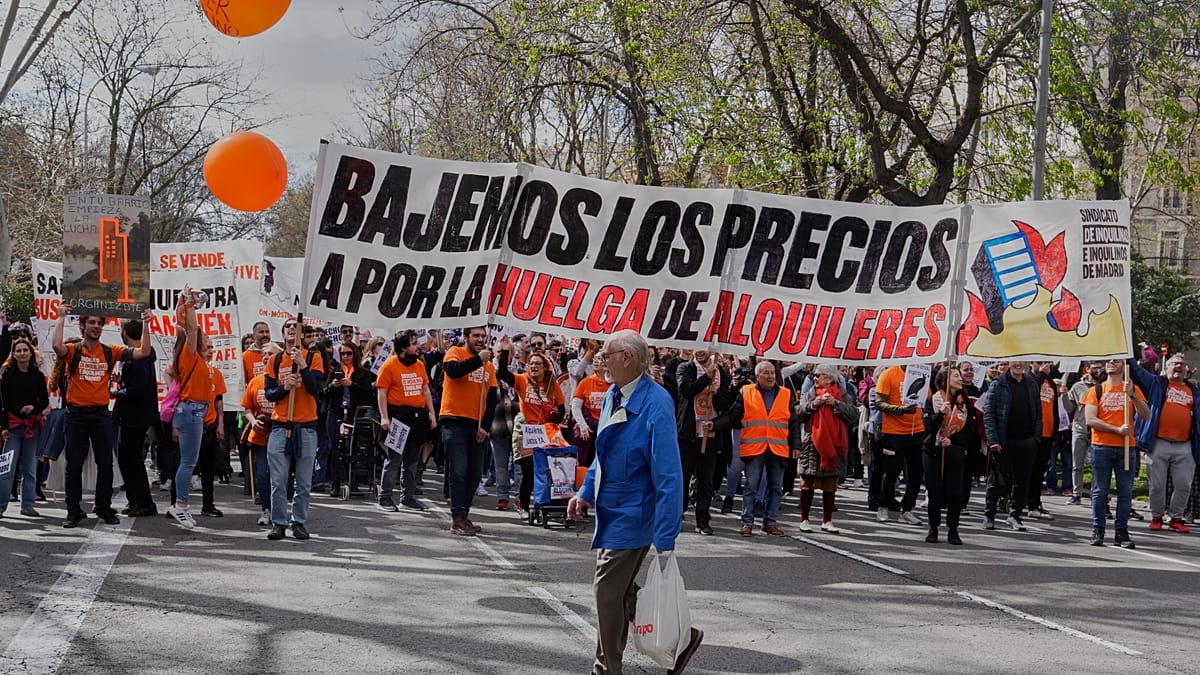
Home shortages, foreign investment, and rising prices: can the EU solve the housing crisis?

Home shortages, foreign investment, and rising prices: can the EU solve the housing crisis?

March 23, 2026
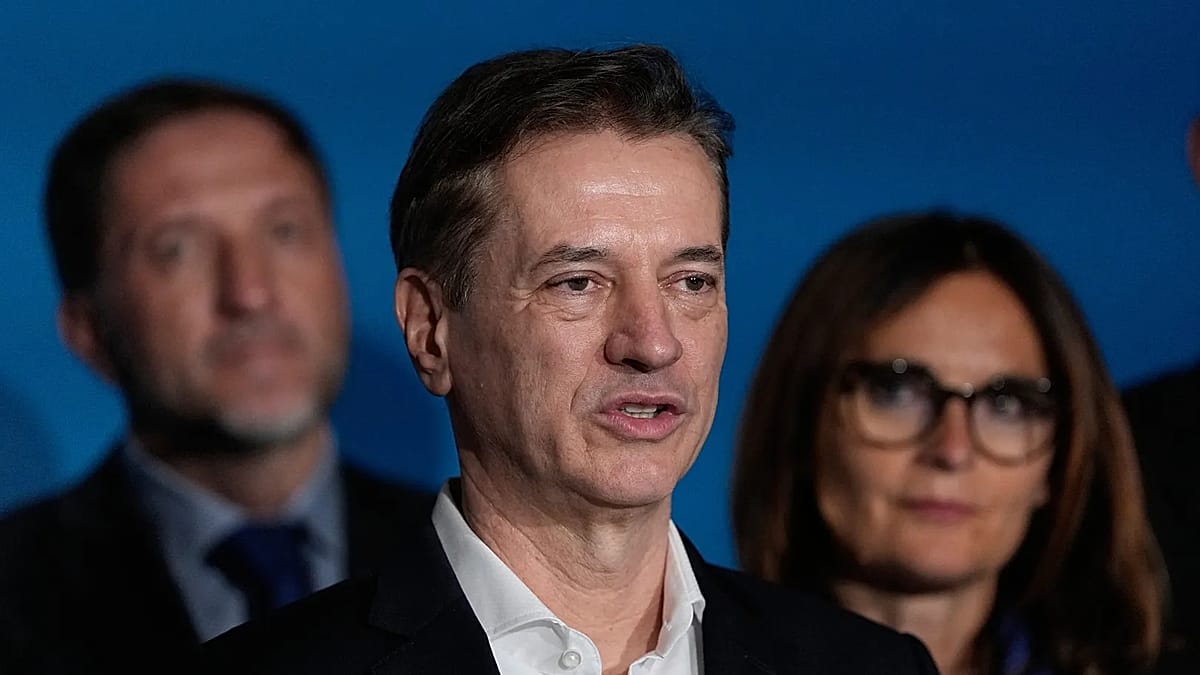
Preliminary election results in Slovenia show tight race between Liberals and right-wing

Preliminary election results in Slovenia show tight race between Liberals and right-wing

March 23, 2026
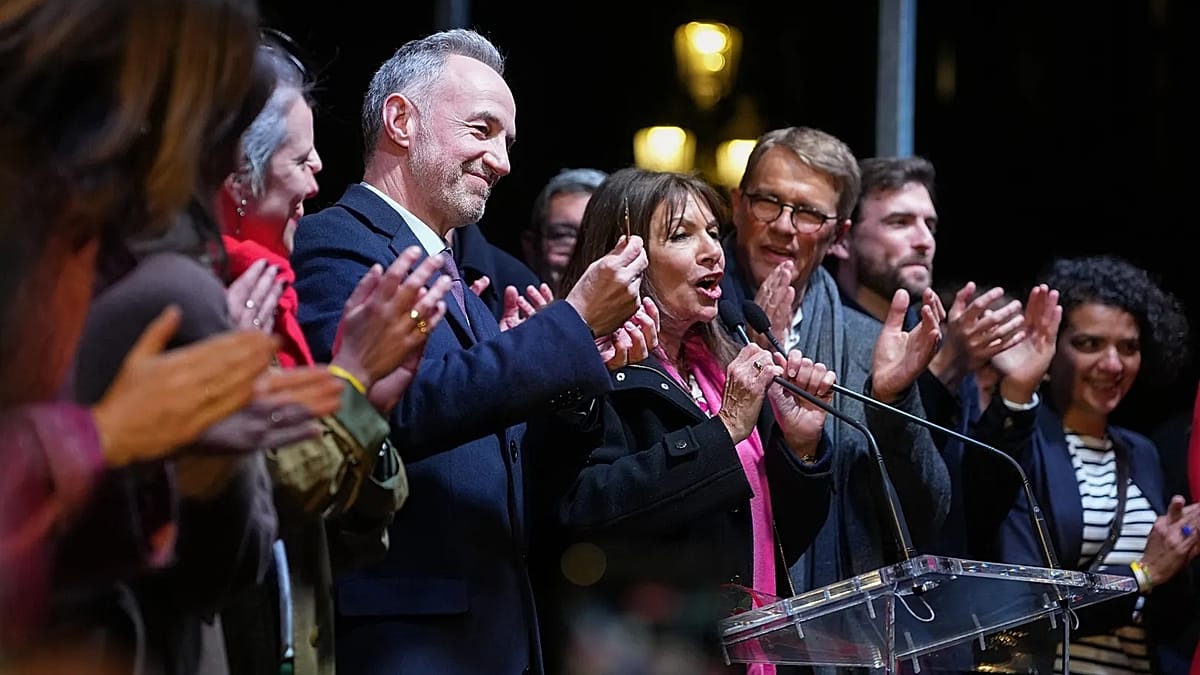
France local elections: Paris stays left as far-right makes mixed gains

France local elections: Paris stays left as far-right makes mixed gains

March 23, 2026
Facebook X (Twitter) Instagram
Web Stories
Facebook X (Twitter) Instagram
Times Network New Zealand
Subscribe
  • Home
  • Local News
  • World
  • Business
  • Lifetyle
  • Entertainment
  • Technology
  • Travel
  • Food
  • Editor’s Choice
  • Press Release
Times Network New Zealand
Home » EU must become a ‘genuine federation’ to avoid deindustrialisation and decline, Draghi says
World

EU must become a ‘genuine federation’ to avoid deindustrialisation and decline, Draghi says

By Press RoomFebruary 3, 20263 Mins Read
EU must become a ‘genuine federation’ to avoid deindustrialisation and decline, Draghi says
Share
Facebook Twitter LinkedIn Pinterest Email

Published on 02/02/2026 – 13:05 GMT+1•Updated
13:33

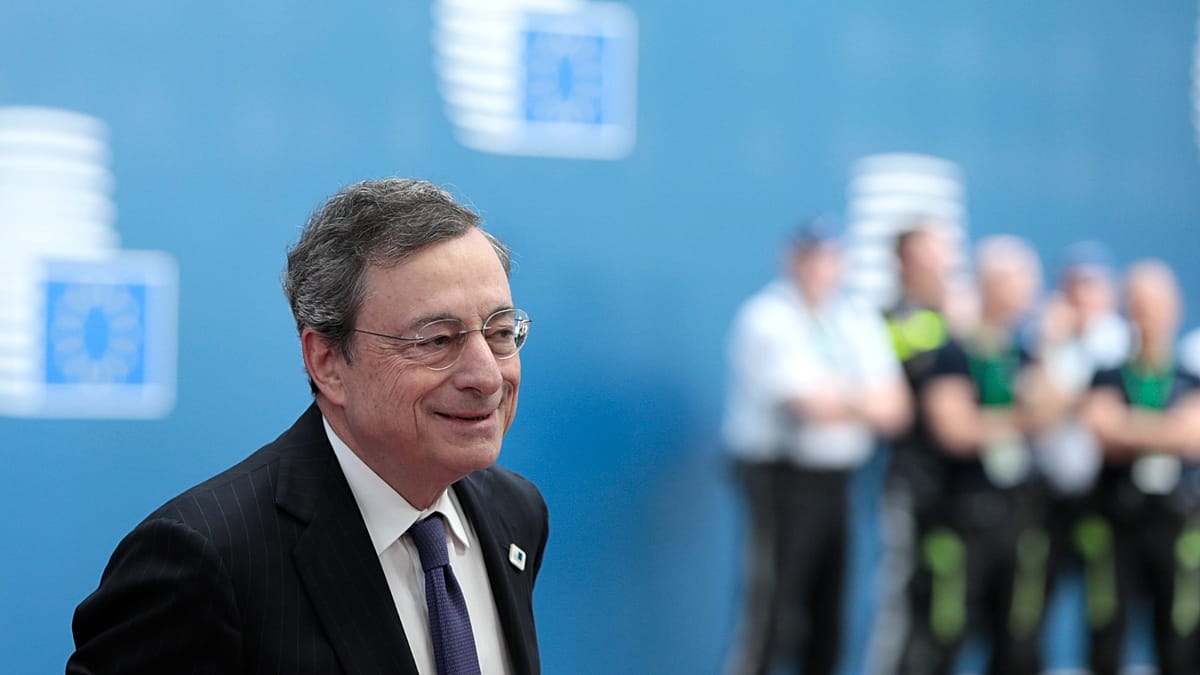
“Europe risks becoming subordinated, divided, and deindustrialised”, if it does not turn itself into a “genuine federation”, Former Italian Prime Minister and President of the European Central Bank Mario Draghi said in a speech at the Belgian Ku Leuven University on Monday.

According to Draghi, “power requires Europe to move from confederation to federation” because the global order is “now defunct”.

In his speech, delivered as he received an honorary degree from the university, Draghi painted a picture of a failed global order, tracing its decline to China’s joining the World Trade Organisation and Western countries beginning to trade with a state “with ambitions to become a separate pole itself”.

This, he said, set the stage for “the political backlash we now face” and ultimately produced “a world with less trade and weaker rules” – painful, but not a threat in itself.

“The threat is what replaces it”, Draghi said, pointing to a shift in the United States. “The US is imposing tariffs on Europe, threatening our territorial interests, and making clear, for the first time, that it sees European political fragmentation as serving its interests.”

On the other side, he said, China continues to control critical nodes in global supply chains and is willing to exploit that leverage by flooding markets, withholding critical inputs, and forcing others to bear the cost of its own imbalances.

“Pragmatic federalism”

Faced with the US’s efforts to combine partnership with dominance, and China sustaining its growth model by exporting its costs onto others, the EU must significantly change its structure, Draghi said, warning that “grouping together small countries does not automatically produce a powerful bloc”.

He argued that in areas where Europe has “federated” – trade, competition, the single market, monetary policy – it is “respected as a power and [can] negotiate as one”.

As evidence, he pointed to the “successful” trade agreements recently negotiated with India and Latin America.

“Where we have not – on defence, on industrial policy, on foreign affairs – we are treated as a loose assembly of middle-sized states, to be divided and dealt with accordingly”, Draghi said.

“A group of states that coordinates remains a group of states – each with a veto, each with a separate calculus, each vulnerable to being picked off one by one.”

He described his proposal as a “pragmatic federalism” that “breaks the impasse we face today without subordinating anyone”.

“Member states opt in. The door remains open to others, but not to those who would undermine common purpose. We do not have to sacrifice our values to achieve power”, Draghi said, mentioning the euro as “the most successful example”, with some EU countries starting and others joining at a later stage.

“Of all those now caught between the US and China, Europeans alone have the option to become a genuine power themselves. So we must decide: do we remain merely a large market, subject to the priorities of others? Or do we take the steps necessary to become one power?”

“A Europe that cannot defend its interests will not preserve its values for long.”
Share. Facebook Twitter Pinterest LinkedIn Tumblr Email

Keep Reading

What is Europe’s answer to the housing crisis? Ask the Euronews AI chatbot

What is Europe’s answer to the housing crisis? Ask the Euronews AI chatbot

Watch: Spain is spending €5bn to lower its energy costs — will other EU members follow?

Watch: Spain is spending €5bn to lower its energy costs — will other EU members follow?

Home shortages, foreign investment, and rising prices: can the EU solve the housing crisis?

Home shortages, foreign investment, and rising prices: can the EU solve the housing crisis?

Preliminary election results in Slovenia show tight race between Liberals and right-wing

Preliminary election results in Slovenia show tight race between Liberals and right-wing

France local elections: Paris stays left as far-right makes mixed gains

France local elections: Paris stays left as far-right makes mixed gains

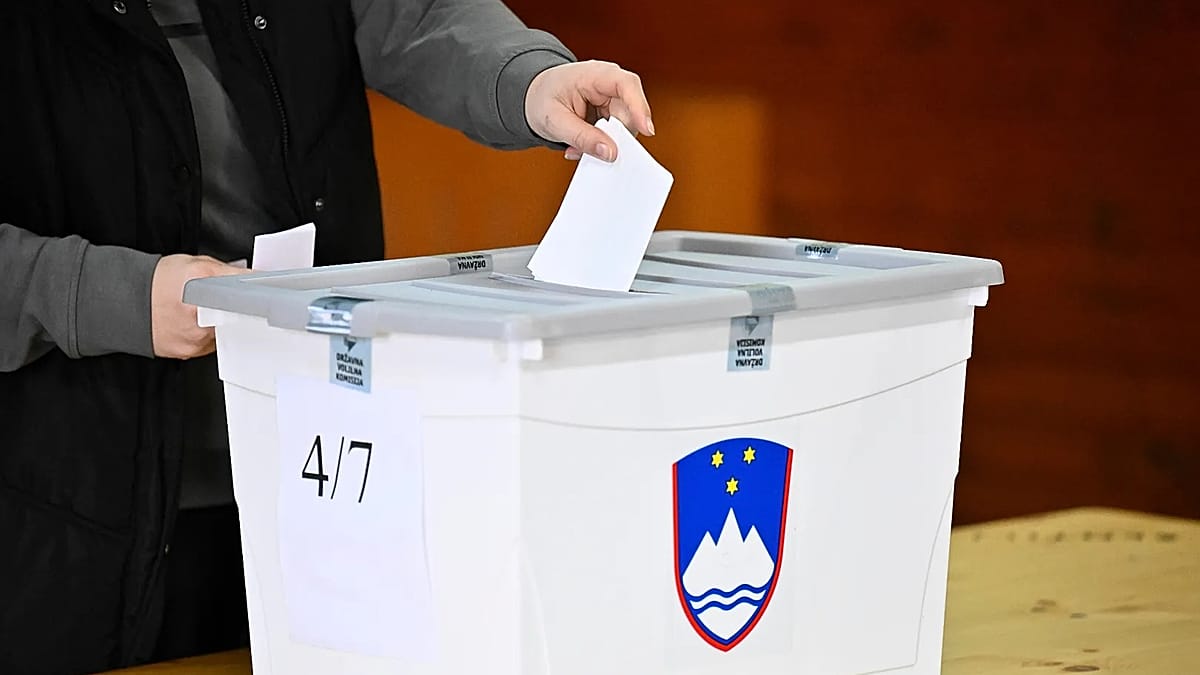
Slovenia parliamentary elections: Governing liberals face right-wing conservatives

Slovenia parliamentary elections: Governing liberals face right-wing conservatives

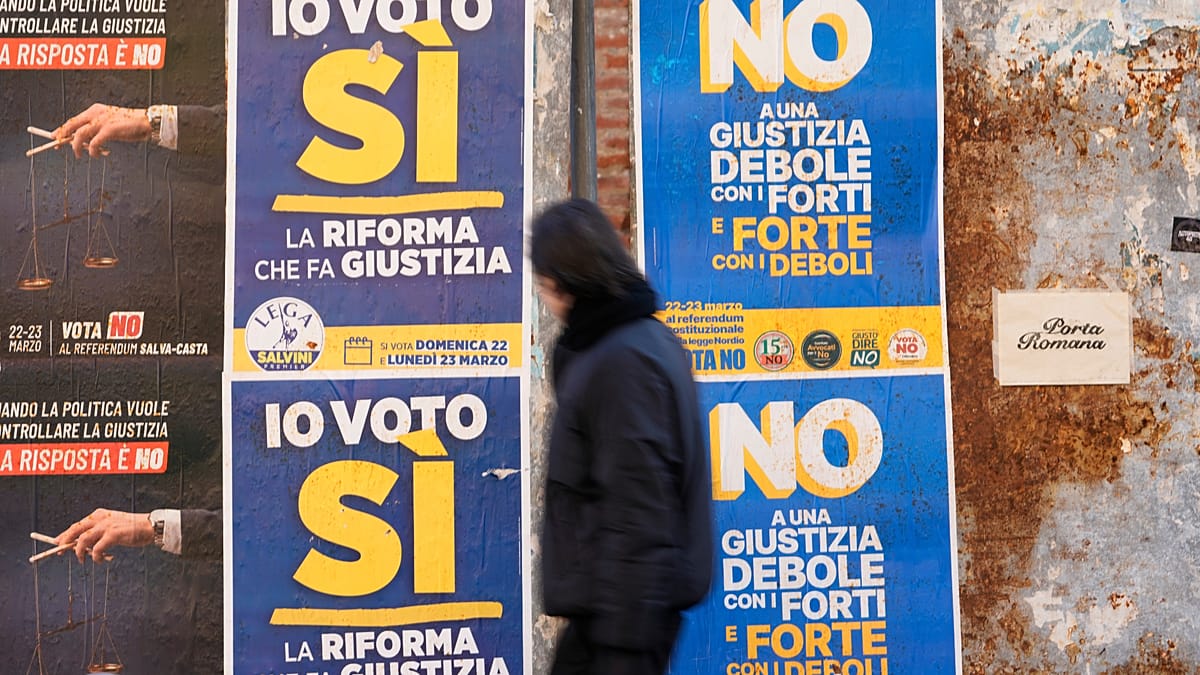
Italy votes on high-stakes justice referendum, a key test for Meloni’s government

Italy votes on high-stakes justice referendum, a key test for Meloni’s government

Macron pushes for tougher EU digital rule enforcement ahead of key elections

Macron pushes for tougher EU digital rule enforcement ahead of key elections

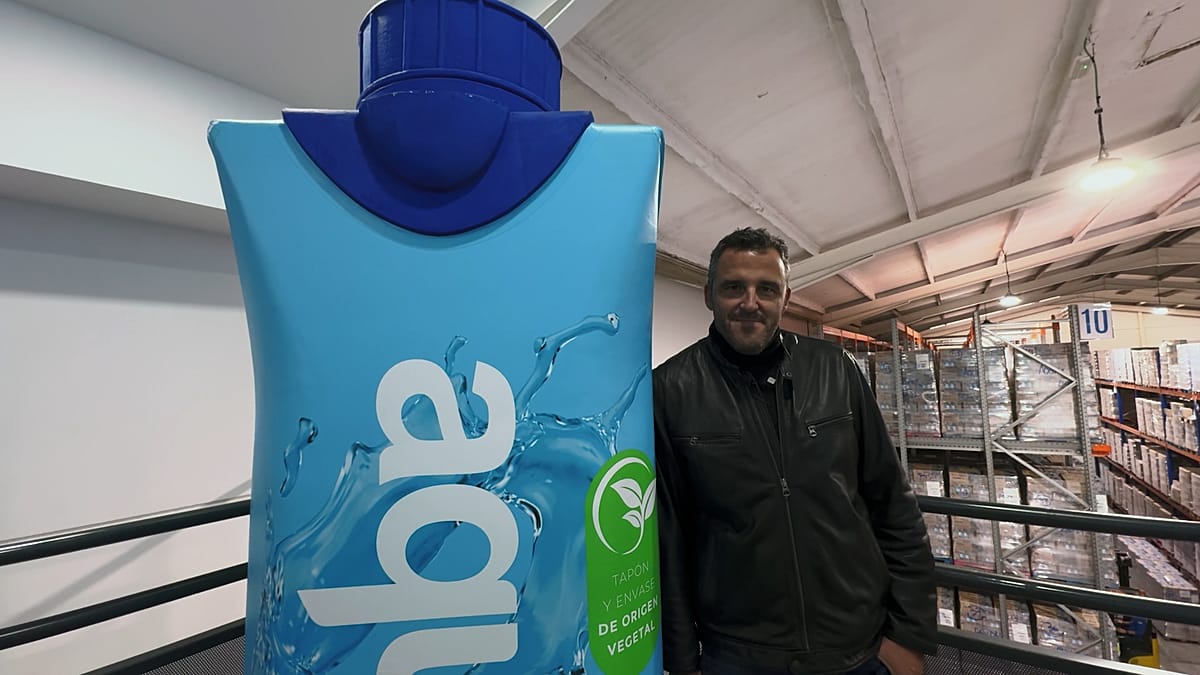
Curro Rodríguez: from bankruptcy to global water empire

Curro Rodríguez: from bankruptcy to global water empire

Editors Picks
Watch: Spain is spending €5bn to lower its energy costs — will other EU members follow?

Watch: Spain is spending €5bn to lower its energy costs — will other EU members follow?

March 23, 2026
Home shortages, foreign investment, and rising prices: can the EU solve the housing crisis?

Home shortages, foreign investment, and rising prices: can the EU solve the housing crisis?

March 23, 2026
Preliminary election results in Slovenia show tight race between Liberals and right-wing

Preliminary election results in Slovenia show tight race between Liberals and right-wing

March 23, 2026
France local elections: Paris stays left as far-right makes mixed gains

France local elections: Paris stays left as far-right makes mixed gains

March 23, 2026
Latest News
What is Europe’s answer to the housing crisis? Ask the Euronews AI chatbot

What is Europe’s answer to the housing crisis? Ask the Euronews AI chatbot

March 23, 2026
Watch: Spain is spending €5bn to lower its energy costs — will other EU members follow?

Watch: Spain is spending €5bn to lower its energy costs — will other EU members follow?

March 23, 2026
Home shortages, foreign investment, and rising prices: can the EU solve the housing crisis?

Home shortages, foreign investment, and rising prices: can the EU solve the housing crisis?

March 23, 2026
Facebook X (Twitter) Pinterest TikTok Instagram
© 2026 Times Network New Zealand. All Rights Reserved.
  • Privacy Policy
  • Terms
  • Advertise
  • Contact

Type above and press Enter to search. Press Esc to cancel.