Published on
•Updated
The European Union’s member states and the European Parliament have struck an agreement to strengthen the screening of foreign investments in the bloc as tensions rise over investments from countries such as China.
The Parliament had been pushing for broad screening of foreign direct investments, but it is EU member states who hold the ultimate authority over investment reviews. The two have now agreed on a common text that strengthens the existing rules.
Under the deal, mandatory screenings will now cover military equipment, artificial intelligence, quantum technologies, semiconductors, raw materials, transport and digital infrastructure, and even election systems.
“By requiring all member states to implement a screening mechanism and by strengthening cooperation among them, the regulation closes potential loopholes for high-risk investments in the internal market,” said MEP Bernd Lange, chair of Parliament’s trade committee.
He added that Parliament’s negotiators “successfully advocated for a broader minimum scope of the national screening mechanisms, ensuring that investments in particularly critical sectors must be screened by all member states”.
Shielding Europe’s economic security
The revamped framework stems from a European Commission initiative to harden the EU’s economic defences.
“In recent months, it has become clear that the geopolitical context has changed significantly,” an EU diplomat said on Thursday. “Trade can no longer always be seen as a neutral transaction between independent economic operators.”
He noted that several recent cases “demonstrated that economic instruments have been weaponized against Europe for geopolitical purposes.”
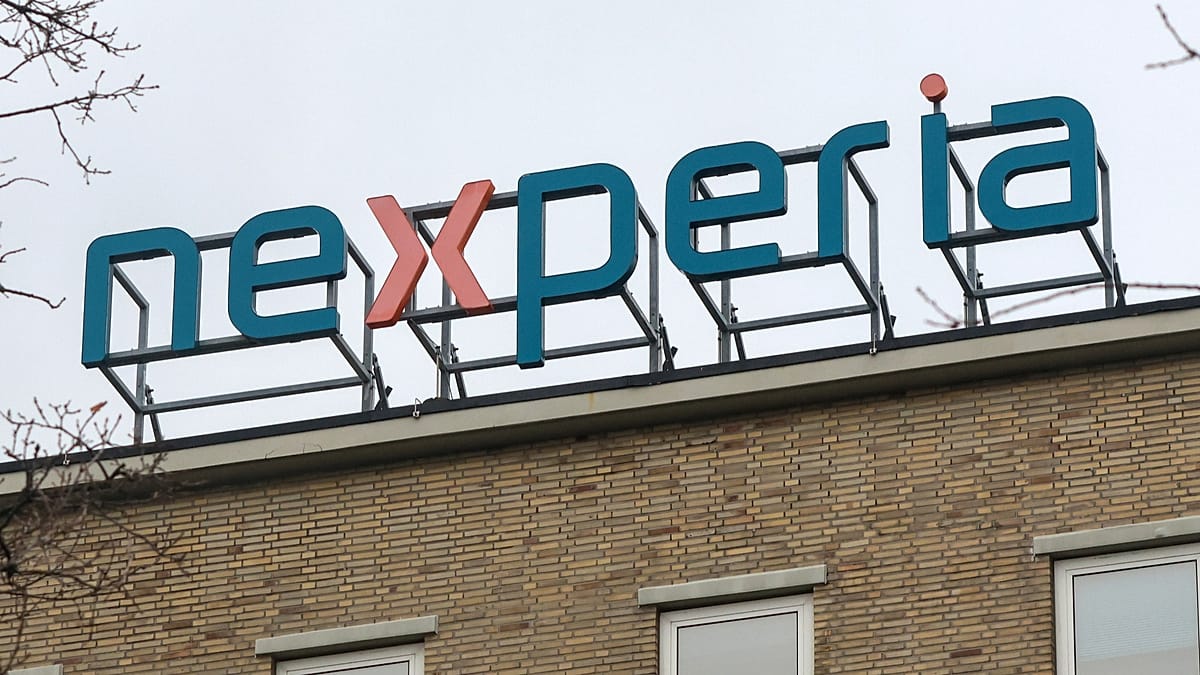
In September, the Netherlands placed the Dutch-based, Chinese-owned chipmaker Nexperia under state supervision out of concern that critical know-how from its European facilities could be siphoned back to China.
Beijing responded by restricting chip exports to Europe, thus threatening the EU’s automotive industry, which relies heavily on those components. Although a US-China deal eventually restored exports, tensions between Beijing and The Hague remain high.
The EU has had a cooperation mechanism on foreign direct investment screening in place since October 2020, but initial resistance was strong.
“At the beginning, some economic actors across Europe were reluctant to (implement) such a screening,” a parliamentary source told Euronews. “Investment issues are essential to them and they sometimes don’t see the risks.”
Under the EU’s rules, the Commission can request information and issue opinions, but it cannot force a member state to screen and block an investment.
On top of that, a 2023 regulation introduced a new screening regime for non-EU subsidies granted to companies operating in the bloc – another move that places China firmly in the spotlight.