Close Menu
Times Network New Zealand
  • Home
  • Local News
  • World
  • Business
  • Lifetyle
  • Entertainment
  • Technology
  • Travel
  • Food
  • Editor’s Choice
  • Press Release
What's On
EU sanction deadlock deepens as Luxembourg complicates the picture

EU sanction deadlock deepens as Luxembourg complicates the picture

September 19, 2026
Russia shares AI-generated Putin selfie as use of artificial content spreads among Europe’s politicians

Russia shares AI-generated Putin selfie as use of artificial content spreads among Europe’s politicians

September 18, 2026
Child protection is not 'only one party's responsibility', business group says

Child protection is not 'only one party's responsibility', business group says

September 18, 2026
Europeans still believe in the European dream. They just don’t think it’s within reach, study finds

Europeans still believe in the European dream. They just don’t think it’s within reach, study finds

September 18, 2026
Europe Today: Canada welcomes EU’s ‘associate member’ offer, but what next?

Europe Today: Canada welcomes EU’s ‘associate member’ offer, but what next?

September 18, 2026
Facebook X (Twitter) Instagram
Web Stories
Facebook X (Twitter) Instagram
Times Network New Zealand
Subscribe
  • Home
  • Local News
  • World
  • Business
  • Lifetyle
  • Entertainment
  • Technology
  • Travel
  • Food
  • Editor’s Choice
  • Press Release
Times Network New Zealand
Home ยป Europeans still believe in the European dream. They just don’t think it’s within reach, study finds
World

Europeans still believe in the European dream. They just don’t think it’s within reach, study finds

By Press RoomSeptember 18, 20264 Mins Read
Europeans still believe in the European dream. They just don’t think it’s within reach, study finds
Share
Facebook Twitter LinkedIn Pinterest Email

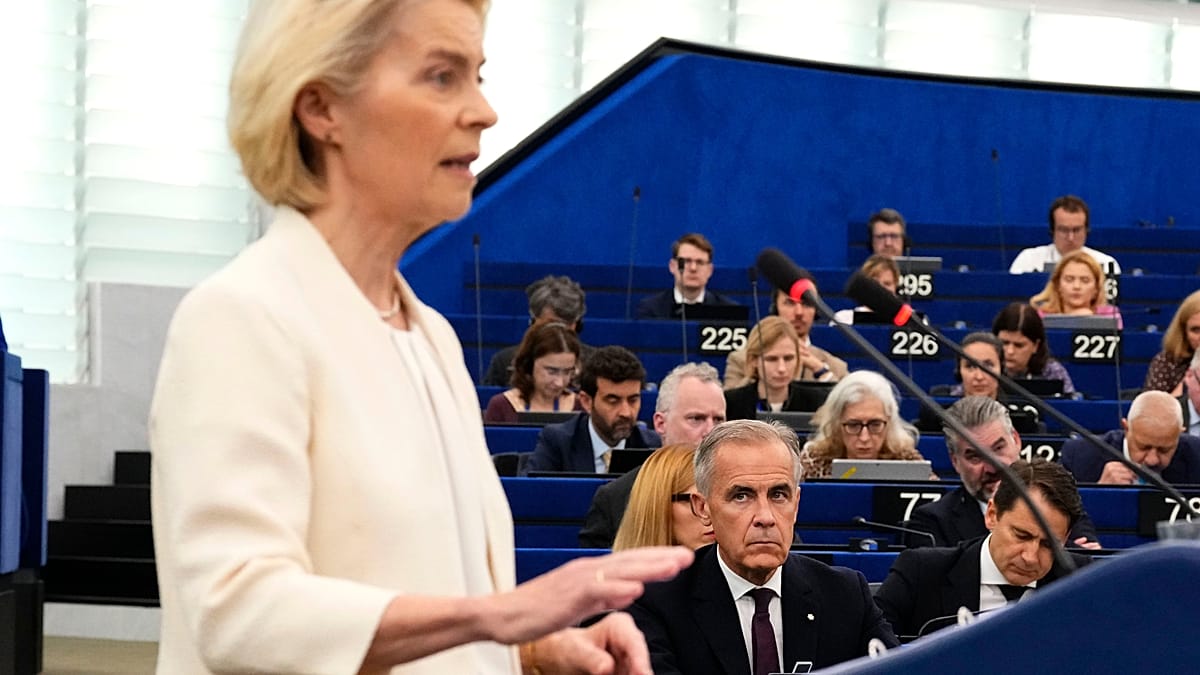
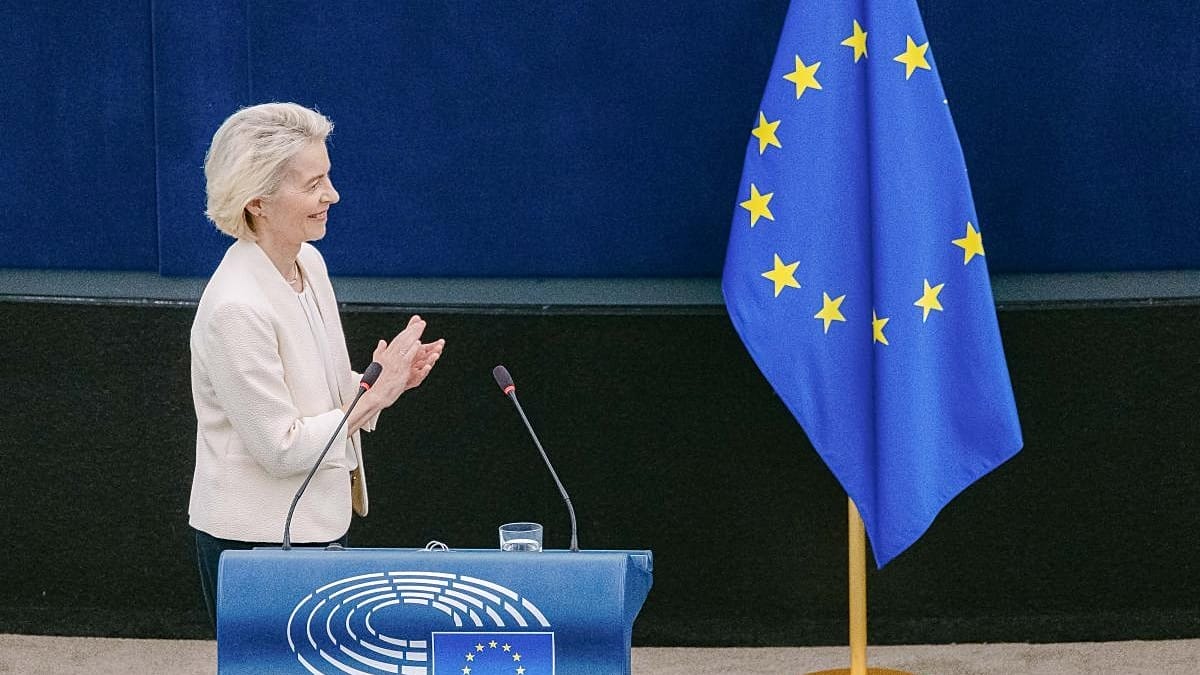
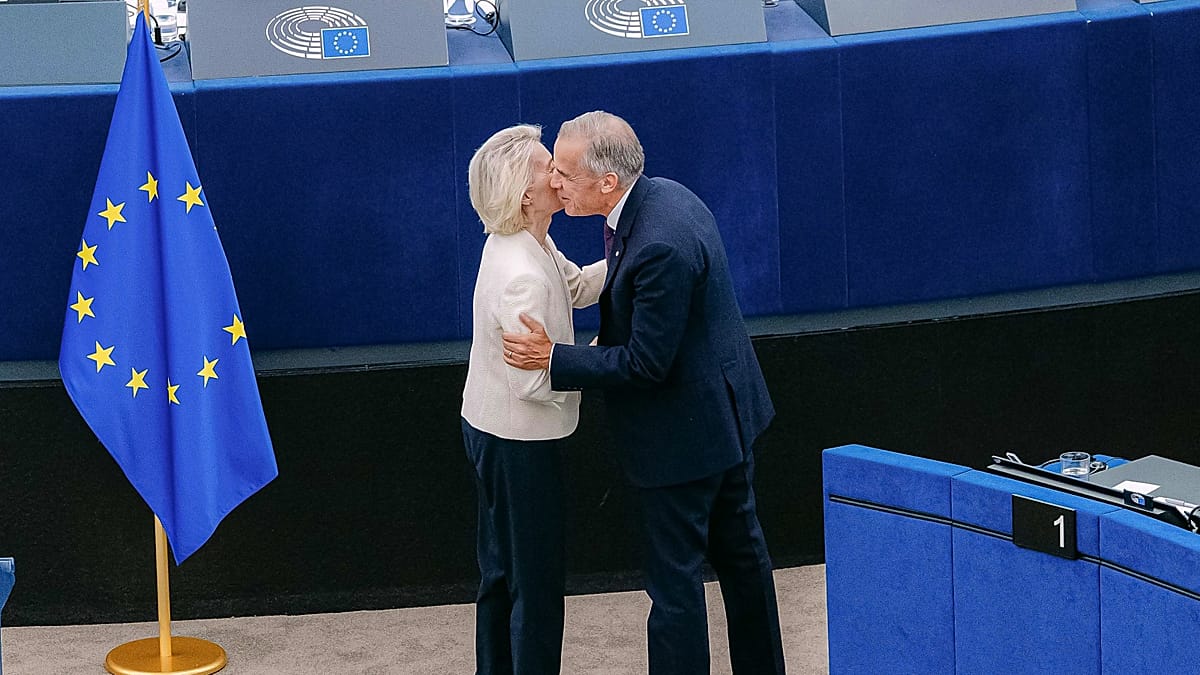
In her State of the Union address, Ursula von der Leyen warned of a “battle of narratives” seeking to weaken confidence in Europe.

ADVERTISEMENT


ADVERTISEMENT

A new study, ‘Future Nostalgia: Europe’s Unfinished Song’, published by the European Council on Foreign Relations (ECFR) and the European Cultural Foundation (ECF), suggests that the confidence problem is real, and its authors call it an “imagination gap”: most Europeans still want a stronger, more united continent, but a majority doubt it will ever get there

The findings, based on nearly 6,000 interviews across six countries, paint a picture of a public that hasn’t abandoned the European project, but has largely lost confidence in its ability to deliver.

A continent bracing for decline

On average, 68% of respondents describe Europe’s current situation in terms of “general deterioration or loss of normality.” Just 12% see it as a moment of “awakening or renewal.” The gloom varies by country: it’s most pronounced in France, at over 80%, and least widespread in the UK, where it still affects a majority, but by a narrower margin.

Asked to name Europe’s biggest challenges, war and security topped the list at 43%, rising to 47% in Poland and the UK, where the war on Europe’s borders and its consequences weigh most heavily on public opinion.

Economic pressure follows at 33%, but its weight differs sharply from country to country: 41% of Italians call it Europe’s main challenge, compared with just 23% in Poland and the Netherlands.

The verdict on Europe’s response, whatever the concern, is blunt: 74% say the bloc is handling its challenges poorly, and 56% believe its future is genuinely “in danger,” against just 21% who disagree.

The dream isn’t dead

Despite the pessimism, the study finds little appetite for retreat. Some 73% of respondents still hold what researchers classify as a “positive vision” for Europe’s future, against 14% with a negative outlook and 13% who express no clear vision at all.

Asked to describe their hopes for Europe two decades from now, respondents most often pointed to greater unity and political integration, followed by peace and security, and prosperity and shared wellbeing.

That’s the paradox at the heart of the report: Europeans haven’t given up on the idea of a stronger, more unified Europe.

Even those who feel most anxious about where the continent is heading tend to remain attached to the European project rather than turning against it. What they’ve lost faith in isn’t the vision itself, but whether it can actually happen.

Why trust is eroding

The study identifies specific, recurring reasons behind that doubt.

Nearly a third of respondents (32%) describe Europe as too slow to act, a complaint that rises above 40% in Germany and the Netherlands, where the issue has become a fixture of domestic political debate.

It’s a criticism von der Leyen herself seemed to anticipate in her address, telling MEPs that “in today’s economy, speed is of the essence” as she pushed her simplification agenda to cut administrative burden.

Almost as many (30%) see Europe as inconsistent, failing to live up to the values it claims to represent.

Perhaps most tellingly, 44% of respondents, nearly half, could not name a single recent example of European action going right. Researchers say this absence of visible “wins” is central to why the public struggles to imagine a credible path from today’s Europe to the one it wants.

An imagination gap, not a legitimacy crisis

According to ECFR senior fellow Pawel Zerka, the study’s lead author, the findings shouldn’t be mistaken for rising euroscepticism. Even among the most anxious segments of the public, attachment to the European project remains strong. The problem is one of credibility, not commitment.

“For many of the people we spoke to, the problem is not that they have stopped wanting a stronger Europe, but that they no longer believe it is achievable,” Zerka said. “People can picture the kind of Europe they want to see, but struggle to imagine a credible path from where it is today to where they want it to be.”

The report argues that closing this gap will require less emphasis on grand promises and more visible proof that European cooperation can deliver results people notice in their daily lives.

In her address, von der Leyen called on Europeans to “fight back” against forces seeking to divide the bloc and undermine confidence in the European project. The study suggests that the fight will be won less with rhetoric than with evidence.
Share. Facebook Twitter Pinterest LinkedIn Tumblr Email

Keep Reading

EU sanction deadlock deepens as Luxembourg complicates the picture

EU sanction deadlock deepens as Luxembourg complicates the picture

Russia shares AI-generated Putin selfie as use of artificial content spreads among Europe’s politicians

Russia shares AI-generated Putin selfie as use of artificial content spreads among Europe’s politicians

Child protection is not 'only one party's responsibility', business group says

Child protection is not 'only one party's responsibility', business group says

Europe Today: Canada welcomes EU’s ‘associate member’ offer, but what next?

Europe Today: Canada welcomes EU’s ‘associate member’ offer, but what next?

Energy crunch and inflationary fears loom over EU finance talks

Energy crunch and inflationary fears loom over EU finance talks

Analysis: Bruised by Trump, EU and Canada find solace in each other’s arms

Analysis: Bruised by Trump, EU and Canada find solace in each other’s arms

The EU and Canada are getting closer than ever. And the world is watching

The EU and Canada are getting closer than ever. And the world is watching

Inside von der Leyen’s pitch for a new EU security architecture

Inside von der Leyen’s pitch for a new EU security architecture

Metsola exclusively on Euronews as Carney addresses EU Parliament amid Trump’s tariff threat

Metsola exclusively on Euronews as Carney addresses EU Parliament amid Trump’s tariff threat

Editors Picks
Russia shares AI-generated Putin selfie as use of artificial content spreads among Europe’s politicians

Russia shares AI-generated Putin selfie as use of artificial content spreads among Europe’s politicians

September 18, 2026
Child protection is not 'only one party's responsibility', business group says

Child protection is not 'only one party's responsibility', business group says

September 18, 2026
Europeans still believe in the European dream. They just don’t think it’s within reach, study finds

Europeans still believe in the European dream. They just don’t think it’s within reach, study finds

September 18, 2026
Europe Today: Canada welcomes EU’s ‘associate member’ offer, but what next?

Europe Today: Canada welcomes EU’s ‘associate member’ offer, but what next?

September 18, 2026
Latest News
EU sanction deadlock deepens as Luxembourg complicates the picture

EU sanction deadlock deepens as Luxembourg complicates the picture

September 19, 2026
Russia shares AI-generated Putin selfie as use of artificial content spreads among Europe’s politicians

Russia shares AI-generated Putin selfie as use of artificial content spreads among Europe’s politicians

September 18, 2026
Child protection is not 'only one party's responsibility', business group says

Child protection is not 'only one party's responsibility', business group says

September 18, 2026
Facebook X (Twitter) Pinterest TikTok Instagram
© 2026 Times Network New Zealand. All Rights Reserved.
  • Privacy Policy
  • Terms
  • Advertise
  • Contact

Type above and press Enter to search. Press Esc to cancel.