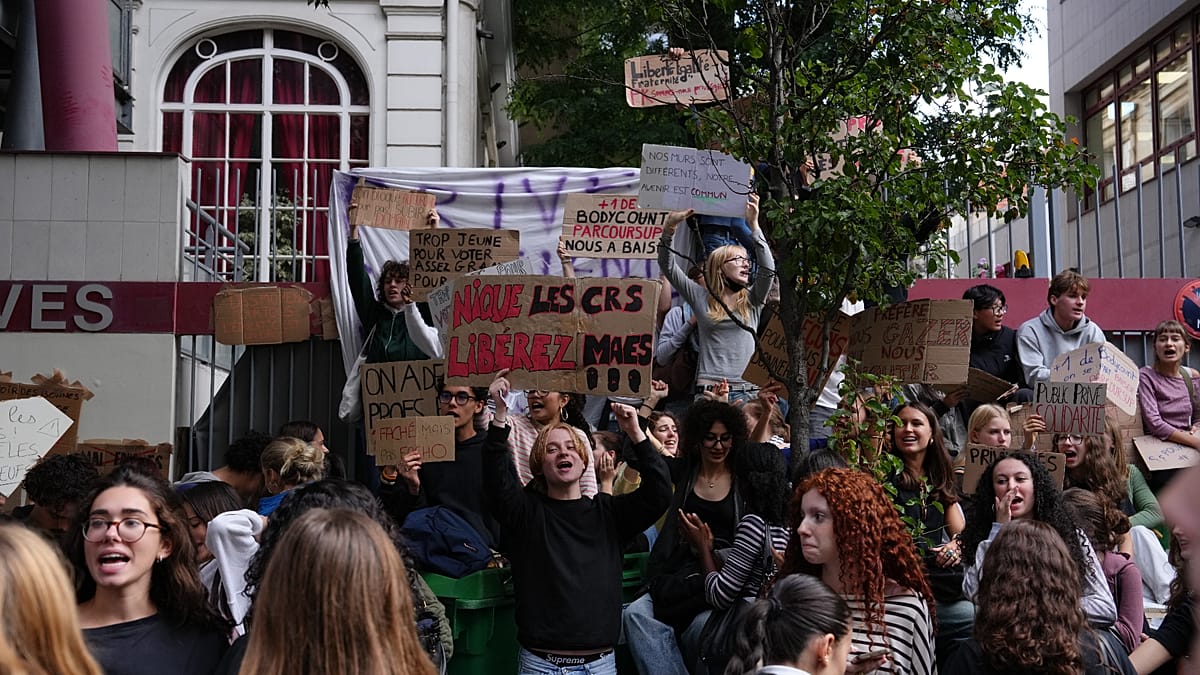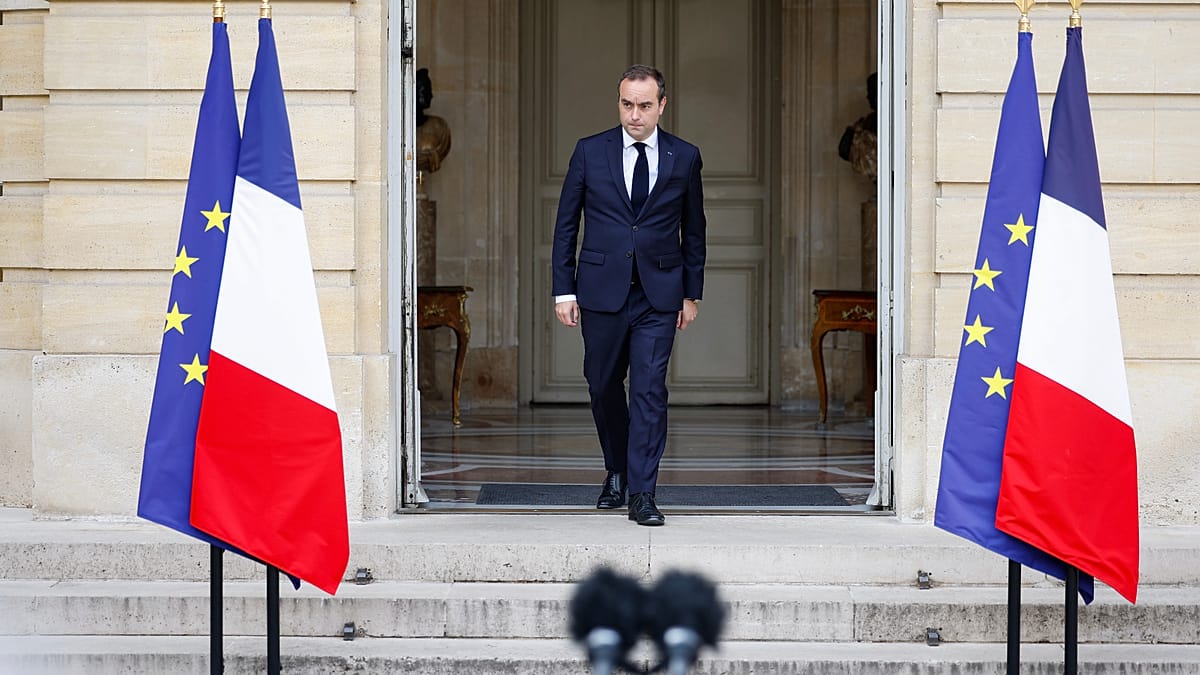
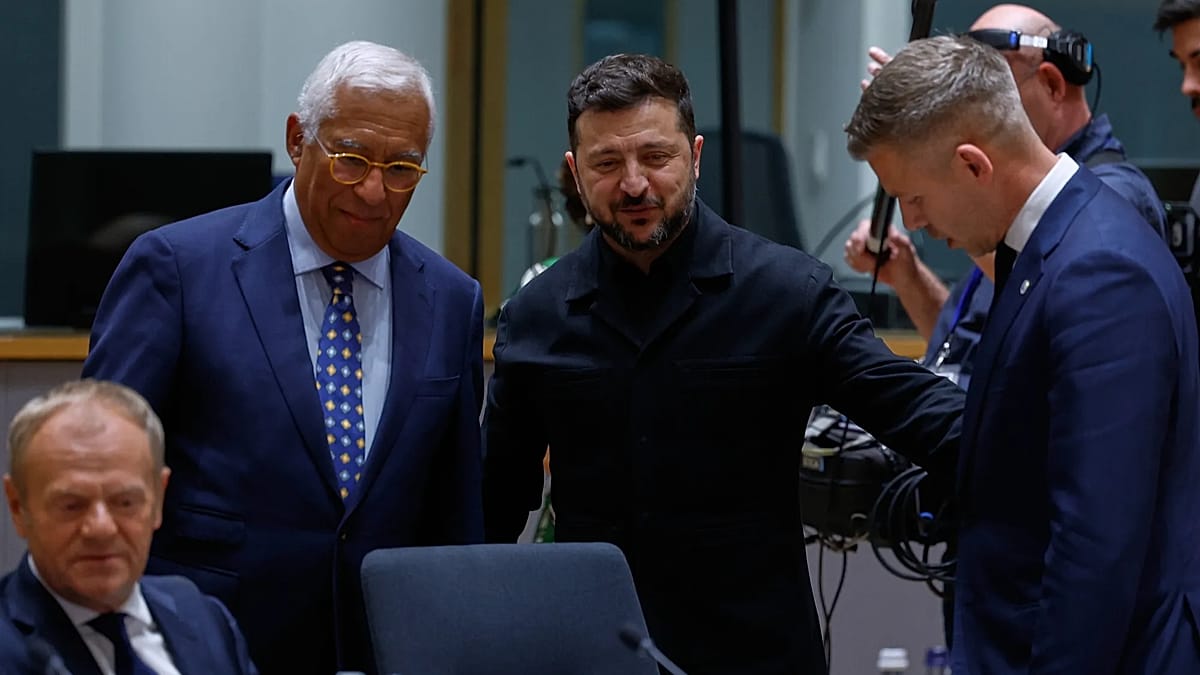
As expected Sébastien Lecornu addressed young people in particular in his televised speech, and said the country could not be “indifferent” to the concerns of high school students, acknowledging that the “anger of young people does not come from nowhere”.
ADVERTISEMENT

ADVERTISEMENT
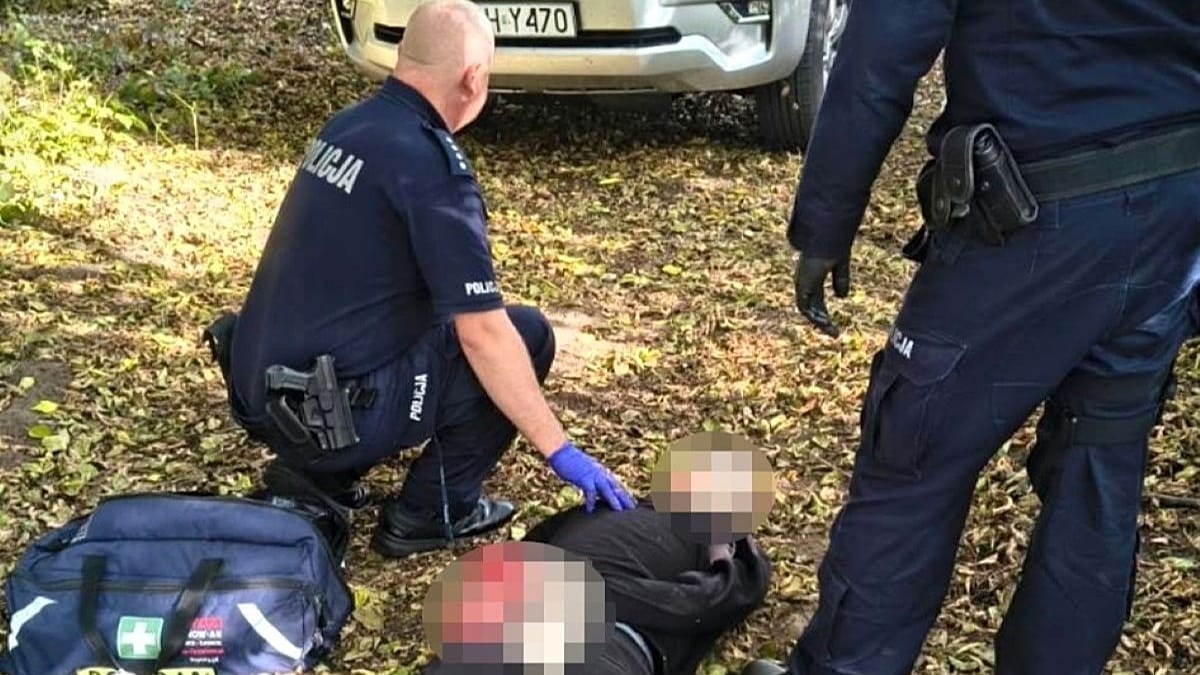
However, he said French security forces do not have orders to “confront” protesting high school students, as allegations of police brutality mounted following days of protests that have shaken the country.
Hundreds of students, police and teaching staff have been injured since the movement demanding better conditions in high schools began, and more than 6,500 people — mostly minors — have been arrested.
After Tuesday’s demonstrations, the mobilisation is not letting up. Several education unions have called for another day of strikes and protests on Thursday, raising fears of further disruption. Secondary school students are demanding, among other things, more resources, enough teachers, improvements to the condition of school buildings and changes to Parcoursup – the platform used to apply for first-year higher education courses – which they regard as opaque and unequal.
The government has already begun to respond. A consultation with secondary school students is under way and several projects have been launched by the executive, notably on covering for absent teachers, repairing school premises, organising the school timetable and, again, Parcoursup.
In Wednesday’s address Lecornu promised the government would present a plan to respond to the crisis at the end of October.
The head of government also says that Agora, an app launched to gather young people’s grievances, has already received 30,000 anonymous contributions.
France suspends use of stun grenades at secondary school protests
Other initial measures taken after the demonstrations concern public-order policing. Interior Minister Laurent Nuñez has confirmed the suspension of the use of stun grenades in the context of the secondary school movement, after a 15-year-old boy was seriously injured in Lens, in northern France.
The student whose hand was torn off by a police grenade has undergone amputation and remains in hospital.
Some police unions have already reacted coolly to the measure, invoking their right to withdraw from duty and explaining “their inability to respond” in the event of unrest.
Fuels, agriculture and public finances
Turning to wider economic issues, Lecornu also promised to release diesel stocks in a bid to bring down fuel prices, and reiterated an aim to cut the country’s soaring debt to five percent of GDP next year.
The French government is wrestling with multiple crises including the protests and its 2027 budget, as well as a looming election next year to choose Macron’s successor, with far-right candidate Marine Le Pen riding high in the polls.
The price of diesel has once again exceeded 2.36 euros per litre, fuelling concern over purchasing power. At the same time, the farming sector is still facing the consequences of a severe drought and has been calling for answers from the state for several weeks.
Wine-production forecasts, for example, have been revised “slightly” upwards, to almost 35 million hectolitres, a level that remains historically low, according to the Agriculture Ministry.
In other words, behind the immediate demands voiced by the protests across the country lies the question of how much room for manoeuvre the government really has to calm anger on the streets.
A much-awaited response on resources
It is therefore on concrete measures that expectations are focused. The list of demands is long, while the government must contend with highly constrained public finances and a risk of deadlock in Parliament.
The draft 2027 budget provides for an increase in education spending, but at the same time the executive has to find several tens of billions of euros in savings to repair the public accounts.