

By Paul Brotherton, Freshwater Manager, Wetlands International Europe; Andreas Baumüller, Programme Director, WWF European Policy Office; Sergiy Moroz, Head of Nature, European Environment Bureau
Published on
The opinions expressed in this article are those of the author and do not represent in any way the editorial position of Euronews.
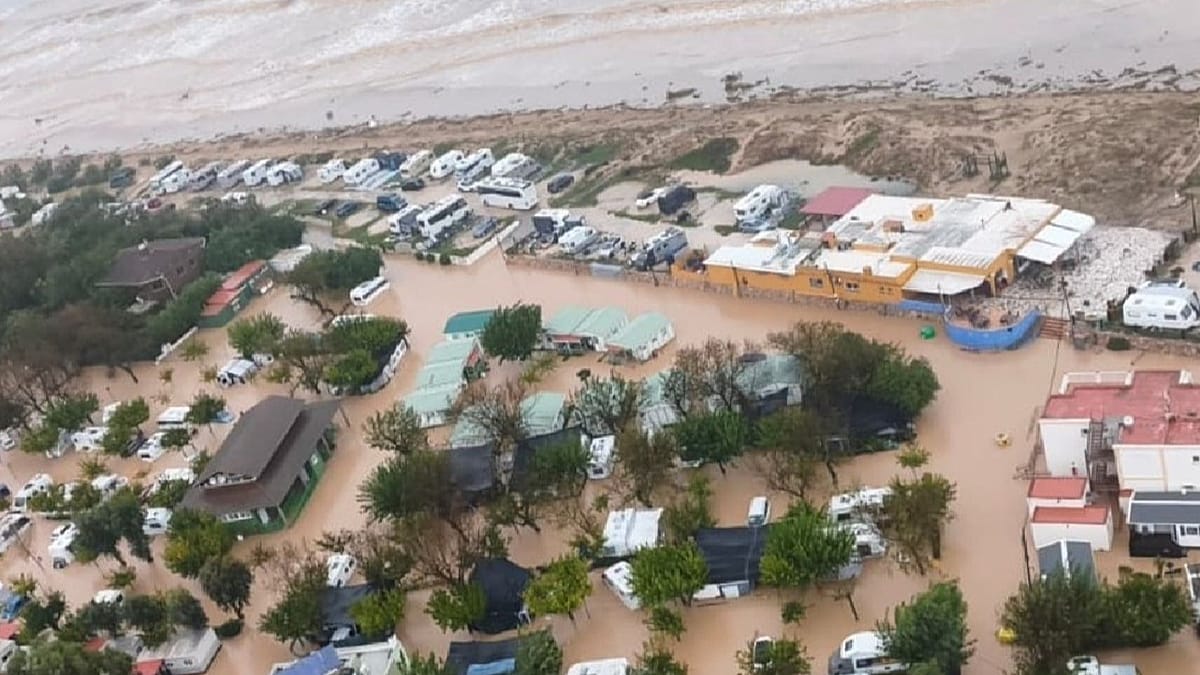
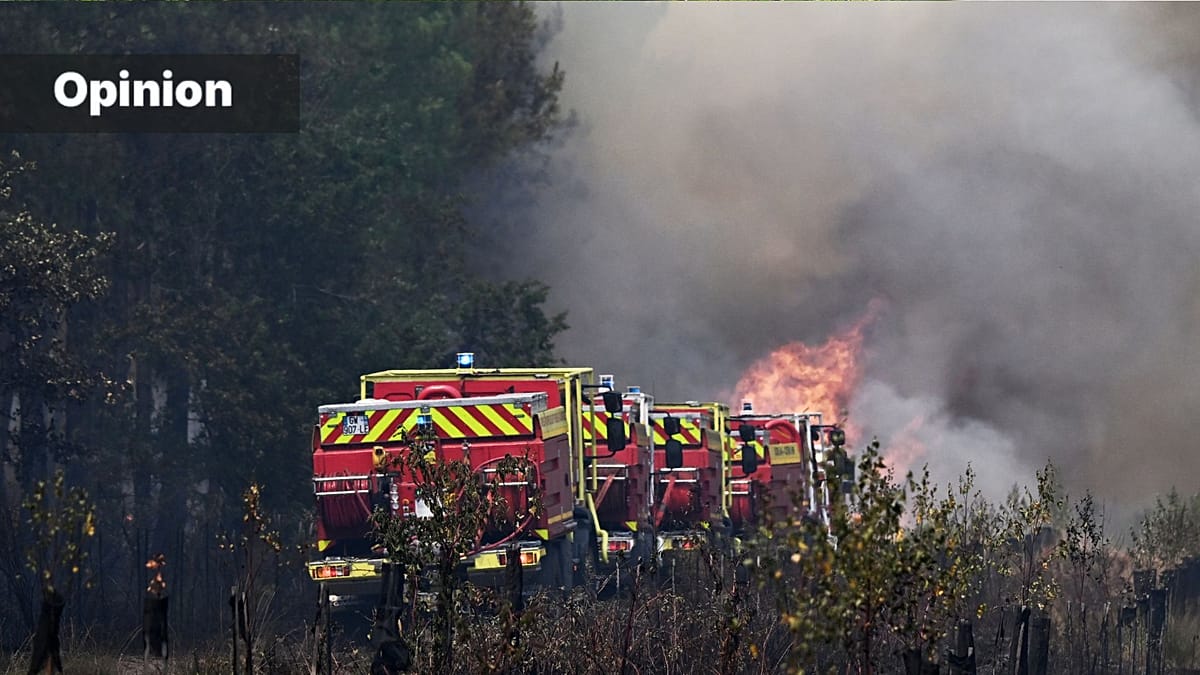
Europe is experiencing climate whiplash. As a record-breaking heatwave has recently swept across the continent, wildfires are spreading, health systems are under growing pressure and critical infrastructure is proving increasingly vulnerable.
ADVERTISEMENT

ADVERTISEMENT
Heat, drought, fire and floods are no longer isolated events. They are increasingly arriving in rapid succession, exposing landscapes and infrastructure that are no longer fit for the climate we now live in.
Europe needs Landscapes that absorbe, store and release water slowly
Climate change is warming Europe. But decades of draining wetlands, straightening rivers, sealing soils and degrading natural landscapes have left Europe far more vulnerable to its impacts. Landscapes that once absorbed, stored and slowly released water are increasingly unable to buffer climate extremes amplifying extreme heat, prolonging droughts and making floods more destructive.
As these extremes intensify, the European Commission is drafting its new European Framework for Climate Resilience – including new binding legislation intended to shape how Europe prepares for escalating climate shocks in the decades ahead. This is a critical opportunity to shift climate adaptation from responding to disasters towards large-scale action reducing climate risks at their source.
The danger is that the emerging framework risks becoming another exercise in adaptation bureaucracy: more plans and more assessments – without defining what meaningful climate resilience should actually require or achieve.
Prevention with nature-based solutions
Europeans already understand this. In response to the European Commission’s recent public consultation, one message stood out clearly: invest more in prevention, with nature-based solutions becoming the first line of defence against escalating climate risks.
Meanwhile, degraded landscapes continue to amplify the very risks adaptation policy is supposed to reduce. Europe’s landscapes are engineered for a climate that no longer exists: drained, sealed, straightened and degraded over decades.
Wetlands, floodplains, peatlands, healthy soils and forests – the systems that naturally store water, recharge aquifers, reduce heat and buffer extremes – have been systematically removed from the landscape. The result is a continent where water moves too fast when it rains, disappears too quickly when it does not, and leaves societies exposed to increasingly volatile cycles of flood, drought, fire, and sea level rise.
Restoring the sponge function of landscapes
This is no longer an environmental issue alone. Stable water cycles are foundational to Europe’s economic resilience, public health and safety and long-term competitiveness – and natural water infrastructure is a critical part of that security system.
Restoring the sponge function of landscapes protects cities from floods, stabilises water supplies during drought, reduces wildfire risk, supports food production, cools urban areas and helps keep critical infrastructure functioning during climate extremes.
The evidence for a different approach is no longer the problem. Recent research from Germany’s KliMaWerk programme found that large-scale water retention and landscape restoration measures are significantly more effective and resilient over time than isolated technical solutions alone – and that the real barrier to overcome is governance.
The real test for the Commission’s upcoming legislation will be whether it merely recognises systemic climate risks or gives member states the tools and incentives to reduce them at their source.
Flexibility to define targets and measures
One option would be to require member states to assess where natural water retention measures could reduce flood, drought and wildfire risks as a mandatory component of adaptation planning (drawing inspiration from Scotland’s Flood Act). Another would be to require national or regional “sponge targets”, inspired by the Flemish Blue Deal, to increase landscape water retention capacity and reduce hydrological volatility, building on existing instruments.
This would not impose one-size-fits-all measures from Brussels. Member states would retain flexibility to define targets and measures suited to their own hydrological realities. But they would no longer be able to ignore the role degraded landscapes play in amplifying climate risks.
Such an approach would also help shift Europe from endless disaster recovery towards prevention, as Europe cannot insure, compensate and rebuild its way out of accelerating hydrological instability.
Reducing climate risks at their source
This debate can no longer remain confined to environmental NGOs. Water companies, farmers, insurers, businesses and regional authorities all have a direct stake in restoring landscape resilience, because the economic costs of instability in Europe’s water cycle are now simply too large to ignore. Europe’s climate risks are systemic: our response to this escalating crisis must now become systemic too.
Europe has an opportunity to redefine climate adaptation. By placing the restoration of landscapes and healthy water systems at the heart of climate legislation, the new European Framework for Climate Resilience can help shift Europe from managing climate disasters to reducing climate risks at their source—strengthening economic resilience, public safety and long-term competitiveness.