I am travelling to Latvia for a work trip centred on three d’s: drones, defence and debesmanna. Squeezing in time to the Rīga Conference and other sites relevant to the country’s upcoming EU council presidency — next year — is a must, too.
ADVERTISEMENT

ADVERTISEMENT
Meanwhile, my colleagues in Brussels are holding down the fort, where one topic is stealing the spotlight. “Migration is very much back on the agenda,” one senior EU diplomat said to a crowd of journalists chewing on hors d’oeuvres Monday night at a rentrée party.
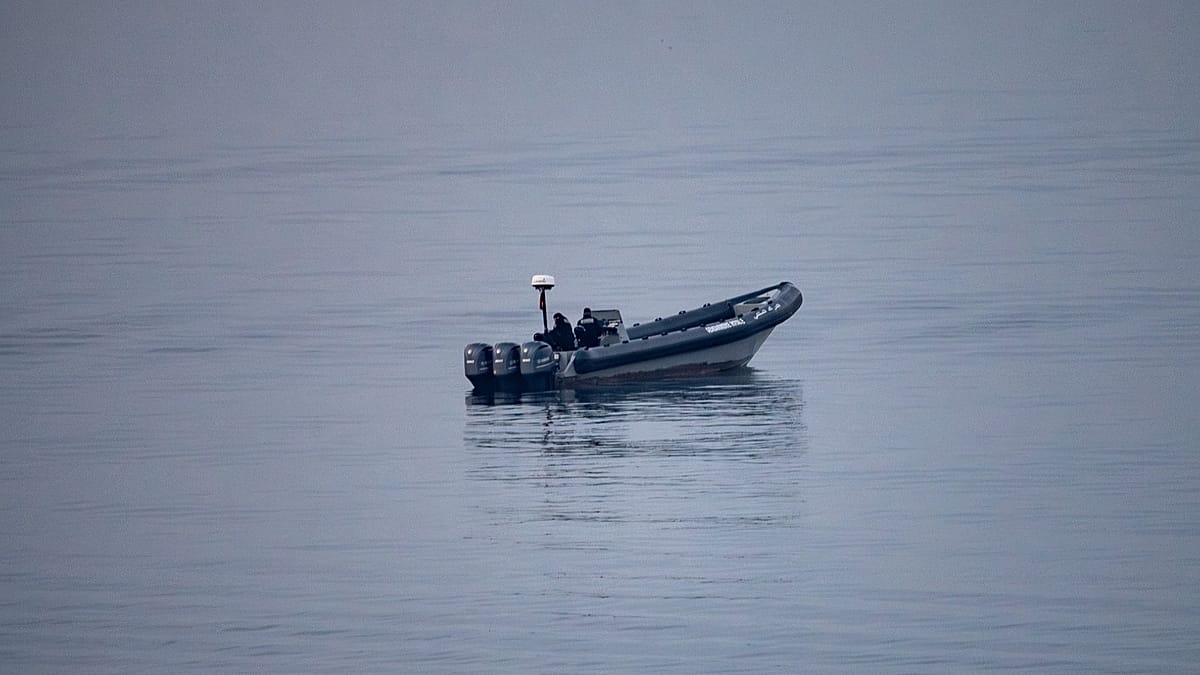
What is clear is the migration horse certainly has bolted, with no signs of abating, and the Ceuta crisis – of 80,000 migrants storming the Spanish enclave in July from Morocco – is the new springboard into the debate.
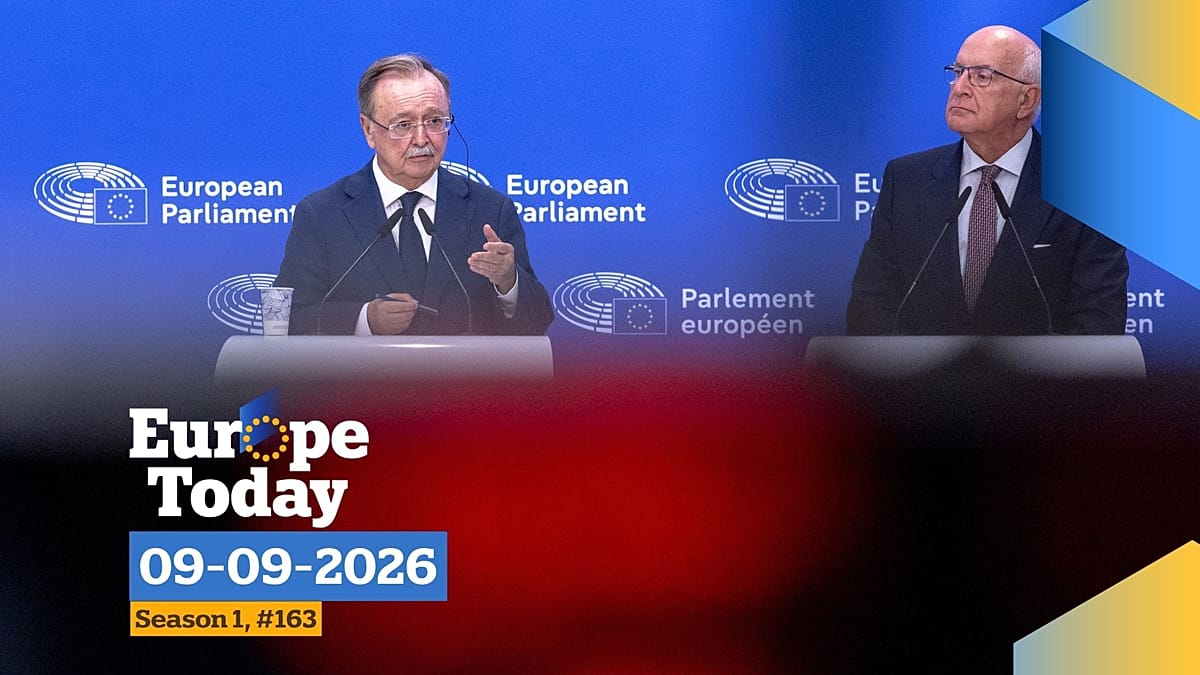
Taking the scenic route: Mared Gwyn reports that Ceuta’s leader, Juan Jesús Vivas, was in Brussels on Tuesday to call on the EU’s senior leadership. He requested a permanent presence from the EU’s border agency Frontex and the EU’s asylum agency and financial contributions to the work of securing the border with Morocco.
But crucially he also asked for a firmer and more forceful EU position towards Morocco, citing leaked police reports claiming Moroccan officers helped orchestrate the crossing. His stance is significantly sharper than the Spanish government’s strategy of cooperation with Rabat, with my colleague Vincenzo Genovese diving deeper into the crisis.
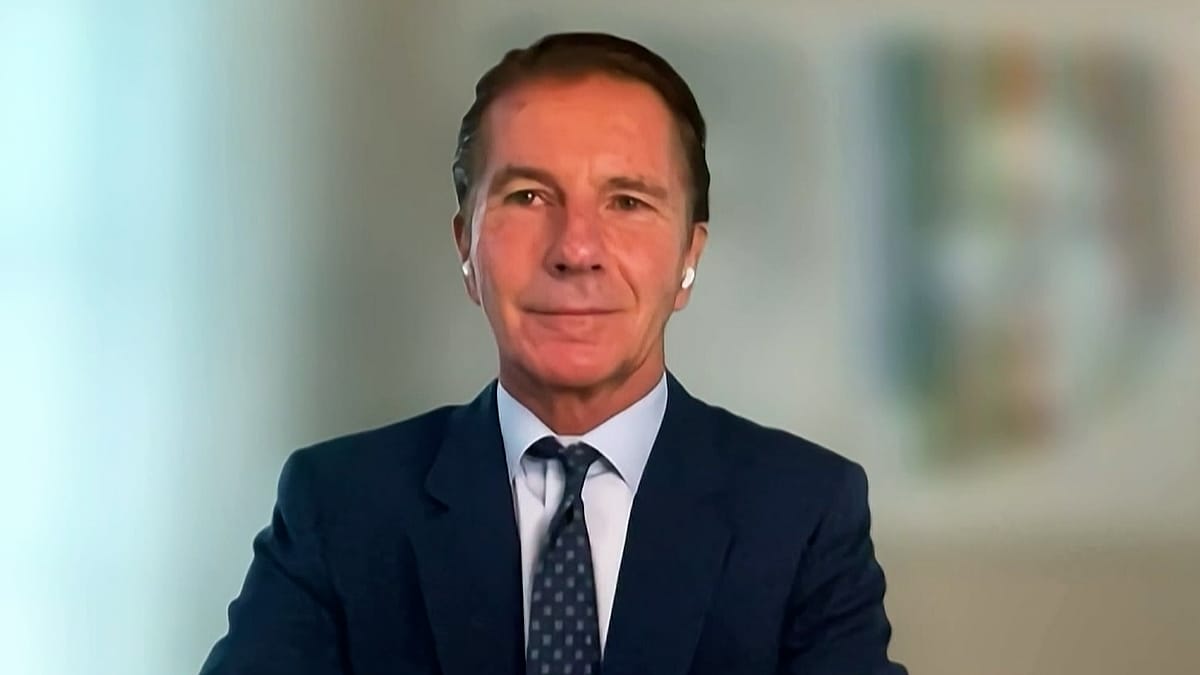
Spain’s former foreign minister Arancha González Laya just told Europe Today that this incident should be characterised as a “hybrid attack” with migration as the weapon. Watch.
Meet and greet: Vincenzo also reports that European Commission President Ursula von der Leyen will meet the leaders of the European Parliament’s political groups today, who are set to convey to her their priorities for the State of the Union speech next week. This is the EU chief’s annual address, laying out her priorities for the next 12 months.
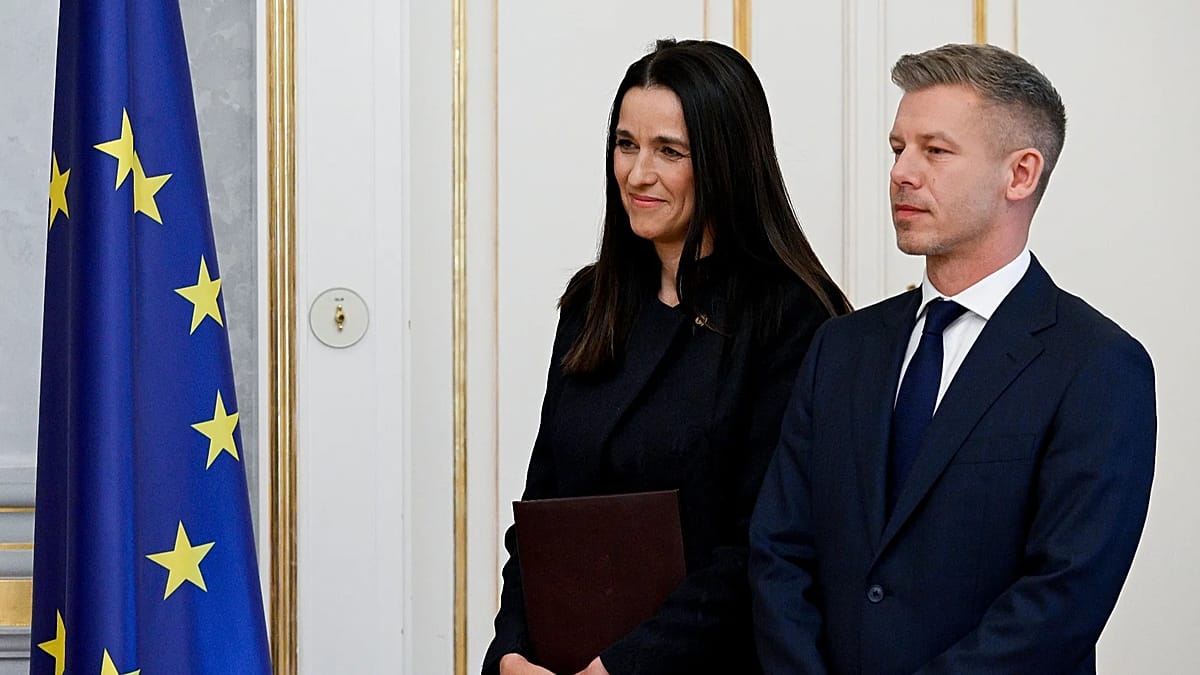
Cloak and dagger: The Hungarian government on Tuesday ordered 10 Russian diplomats to leave the country for committing “unacceptable activities”, according to the country’s foreign minister Anita Orbán. “This does not mean the severance of diplomatic relations with Russia,” she said. “Hungary intends to continue the necessary dialogue, based on mutual respect and compliance with the rules.” Moscow has reportedly vowed a “harsh and painful” response.
But the plot thickens, with Romania suffering from its own espionage scandal. A Russian national believed to be involved in a foiled sabotage operation was arrested on Tuesday. According to reporting by Euronews Romania, the individual stands accused of taking photos and filming military installations across the country, as well as North Atlantic Treaty Organisation (NATO) bases.
Getting Fico on board: EU ambassadors will try — again — to secure Slovakia’s blessing to renew the sanctions on almost 3,000 individuals and companies accused of propping up Russia’s war on Ukraine, Jorge Liboreiro writes.
Envoys want to prolong the sanctions for 12 months, rather than the traditional six, to align with the economic sanctions, which EU leaders agreed to extend for 12 months in mid-June. The 12-month frame is meant to reinforce the regime’s predictability and shield it from unpleasant surprises. But Slovakia has slapped a veto and demands that Alisher Usmanov and Mikhail Fridman, two oligarchs accused of having close ties to the Kremlin, be removed from the blacklist.
Diplomats don’t expect a resolution today. However, a bilateral meeting on Thursday between Slovak Prime Minister Robert Fico and Irish Prime Minister Micheál Martin, whose country holds the EU Council’s rotating presidency, could pave the way for a deal. The clock is ticking, though: the individual sanctions are set to expire on 15 September.
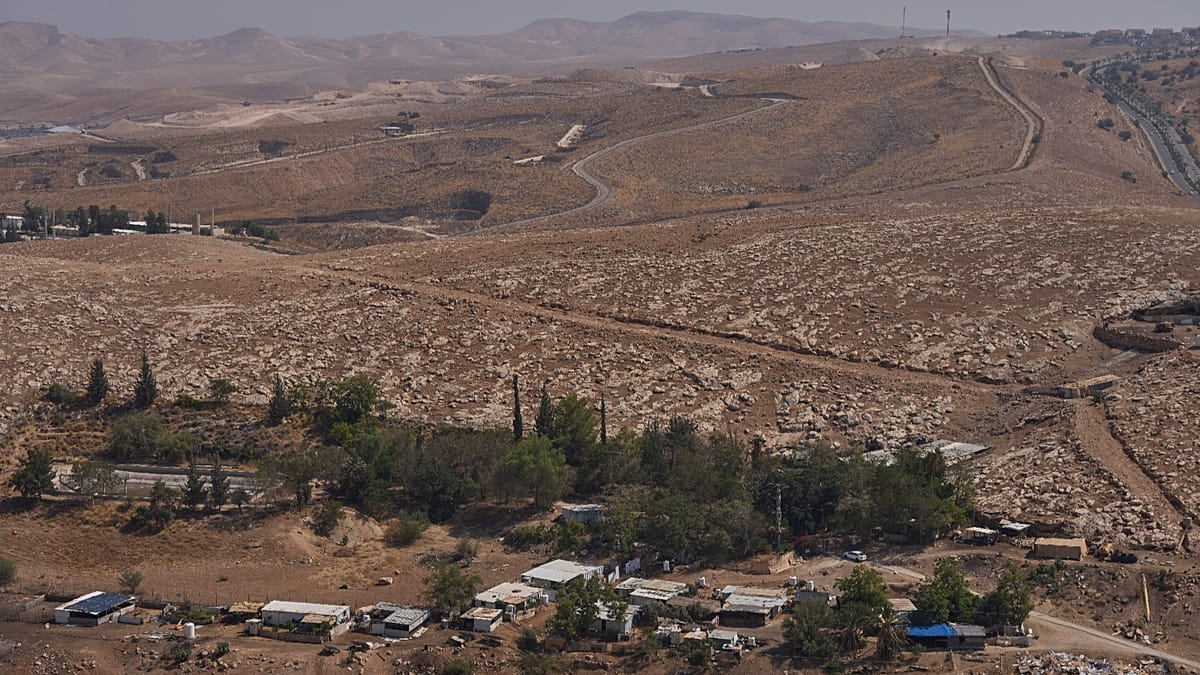
Locking horns: Several European countries and allies — Canada, Denmark, Finland, France, Iceland, Ireland, Norway, Poland, Portugal, Spain, Sweden and the UK — yesterday called on Israel to implement the two-state solution. More importantly, however, they supported restrictions on trade with illegal Israeli settlements in the occupied West Bank.
“France will end trade with Israeli settlements located in the Occupied Palestinian Territories, alongside eleven other countries that have made similar commitments,” foreign minister Jean-Noël Barrot clarified in an online statement.
“Why? Because the West Bank is on the brink of explosion: unchecked expansion of colonization in violation of international law, surge in violence perpetrated by extremist settlers against Palestinians, acts of terror denounced by the Israeli authorities themselves.”
British Foreign Secretary Ed Miliband went one step further by accusing “settler terrorists” of “ethnic cleansing” in the area, serving as the UK government’s strongest condemnation of the matter.
Tit for tat: Israel has responded with its own measures, with the country’s foreign minister Gideon Sa’ar — who suffers from soured relations with the EU’s own top diplomat Kaja Kallas — announcing the closure of the British Consulate in Jerusalem and banning a dozen British nationals from entering the country.
“The accusations made today by the Foreign Secretary of the Labour Government in the British Parliament were outrageous lies,” Sa’ar said, referring to the British foreign secretary’s comments.
Brussels blacklist: A journalist asked the EU executive on Tuesday whether it was considering reviving sanctions against Israel in line with the uptick in settler violence in the occupied West Bank. European Commission spokesperson Anouar El Anouni said that settlements under international law are illegal and Brussels’ position is “long standing and extremely clear”.
A total of 12 individuals and nine entities as part of the extremist settler camp have been sanctioned by the EU, with “additional proposals” discussed among those at the European Council, he said.
One final thing: My colleague Eleonora Vasques reports that the European Commission will today present its plan for affordable housing. Will it include targeted measures against the likes of short-stay accommodation platform Airbnb? All will be revealed at a press conference today.
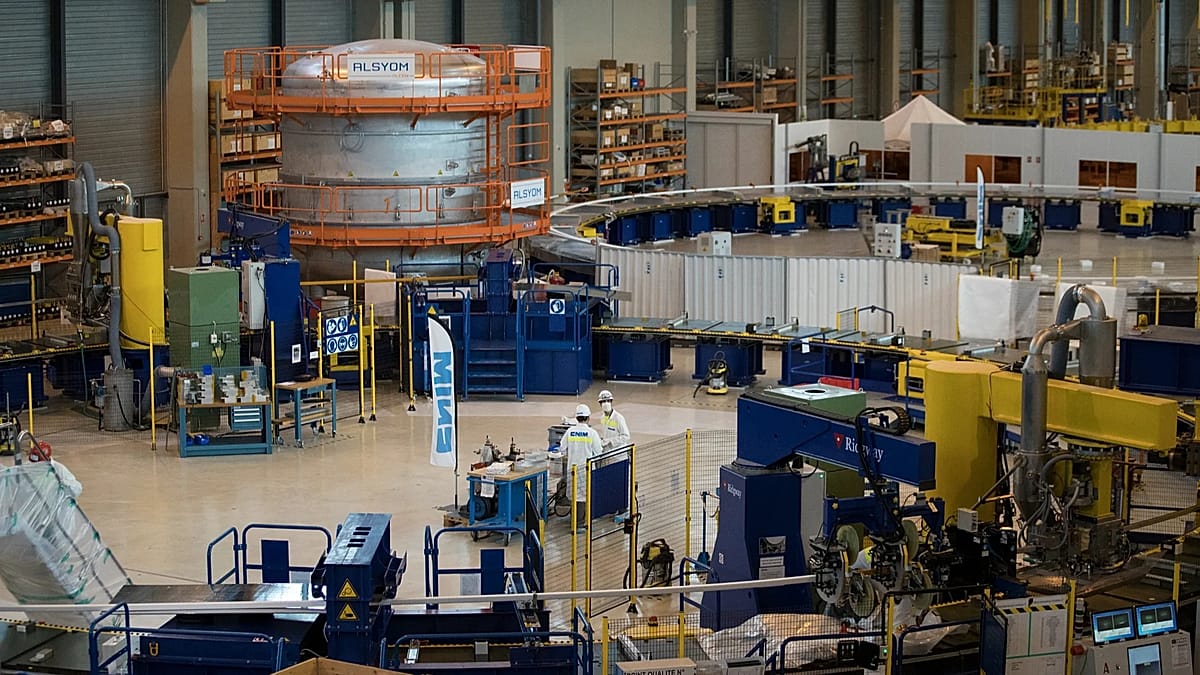
The Russian exception: Why Moscow still has a role in Europe’s ITER fusion project despite EU sanctions
The European Union and Russia are geopolitical adversaries, with Russia under sweeping EU sanctions and its ties with the bloc severely curtailed. Yet inside one of the largest international scientific collaborations in history — and the world’s largest nuclear fusion experiment — the two remain linked by a partnership forged decades ago and built to endure for generations.
While Brussels steps up pressure on Moscow over its war in Ukraine and hybrid attacks, Russian engineers and their European counterparts continue to work together on an international project called the “International Thermonuclear Experimental Reactor” (ITER), an experimental nuclear fusion machine that seeks to harness the fusion of hydrogen nuclei to generate vast amounts of energy.
Last Monday, the EU’s Energy Commissioner Dan Jørgensen visited ITER in Cadarache, France, calling the fusion device “key for our decarbonisation and energy independence goals.”
So, what does it all mean? Marta Pacheco and Maïa de la Baume break it down in this must-read piece.
More from our newsrooms
European Parliament’s report tightens EU investment conditions as China negotiations heat up
The European Parliament’s rapporteurs on the proposed Industrial Accelerator Act are closing the EU market to Chinese investment in sectors where Beijing is dominant, going further than what the European Commission suggested. Peggy Corlin has the scoop.
Zelenskyy expects Trump meeting in late September as Kyiv pushes for air defence and new talks
Ukrainian President Volodymyr Zelenskyy says he expects to meet Donald Trump later this month as Kyiv presses Washington for urgently needed Patriot interceptors and moves towards a new trilateral negotiating format. Read more.
Exclusive: Italy proposes no fees for digital euro payments under €10
Italy suggests exempting smaller merchant fees for payments under €10, a measure backed by the central banking community, as final talks take place in Brussels over the rollout of the digital euro. Eleonora has the details.
We’re also keeping an eye on
- European Commissioner for Defence Andrius Kubilius delivers a speech at the International Space Summit in Paris, France.
- European Commissioner for the Budget Piotr Serafin visits a range of high-level officials in the Japanese capital including Japanese Minister of Finance, Satsuki Katayama.
That’s it for today. Mared Gwyn, Vincenzo Genovese, Jorge Liboreiro, Eleonora Vasques contributed to this newsletter.