Times Network New Zealand
  • Home
  • Local News
  • World
  • Business
  • Lifetyle
  • Entertainment
  • Technology
  • Travel
  • Food
  • Editor’s Choice
  • Press Release
What's On
Newsletter: With US ties bruised, EU leaders get ‘their act together’

Newsletter: With US ties bruised, EU leaders get ‘their act together’

January 24, 2026
Mitsotakis tells Euronews ‘most’ European countries can’t join Trump’s ‘Board of Peace’

Mitsotakis tells Euronews ‘most’ European countries can’t join Trump’s ‘Board of Peace’

January 24, 2026
Which European countries will heatwaves hit hardest by 2100?

Which European countries will heatwaves hit hardest by 2100?

January 23, 2026
Podcast: Iran under fire, protests, repression and the EU’s response

Podcast: Iran under fire, protests, repression and the EU’s response

January 23, 2026
Podcast: Iran under fire, protests, repression and the EU’s response

Podcast: From Davos handshakes to Brussels emergency Talks: What’s Next for the EU?

January 23, 2026
Facebook X (Twitter) Instagram
Web Stories
Facebook X (Twitter) Instagram
Times Network New Zealand
Subscribe
  • Home
  • Local News
  • World
  • Business
  • Lifetyle
  • Entertainment
  • Technology
  • Travel
  • Food
  • Editor’s Choice
  • Press Release
Times Network New Zealand
Home » Nearly 10% of Europeans say they have no close friends: Where do people feel loneliest?
World

Nearly 10% of Europeans say they have no close friends: Where do people feel loneliest?

By Press RoomNovember 11, 20253 Mins Read
Nearly 10% of Europeans say they have no close friends: Where do people feel loneliest?
Share
Facebook Twitter LinkedIn Pinterest Email
Nearly 10% of Europeans say they have no close friends: Where do people feel loneliest?

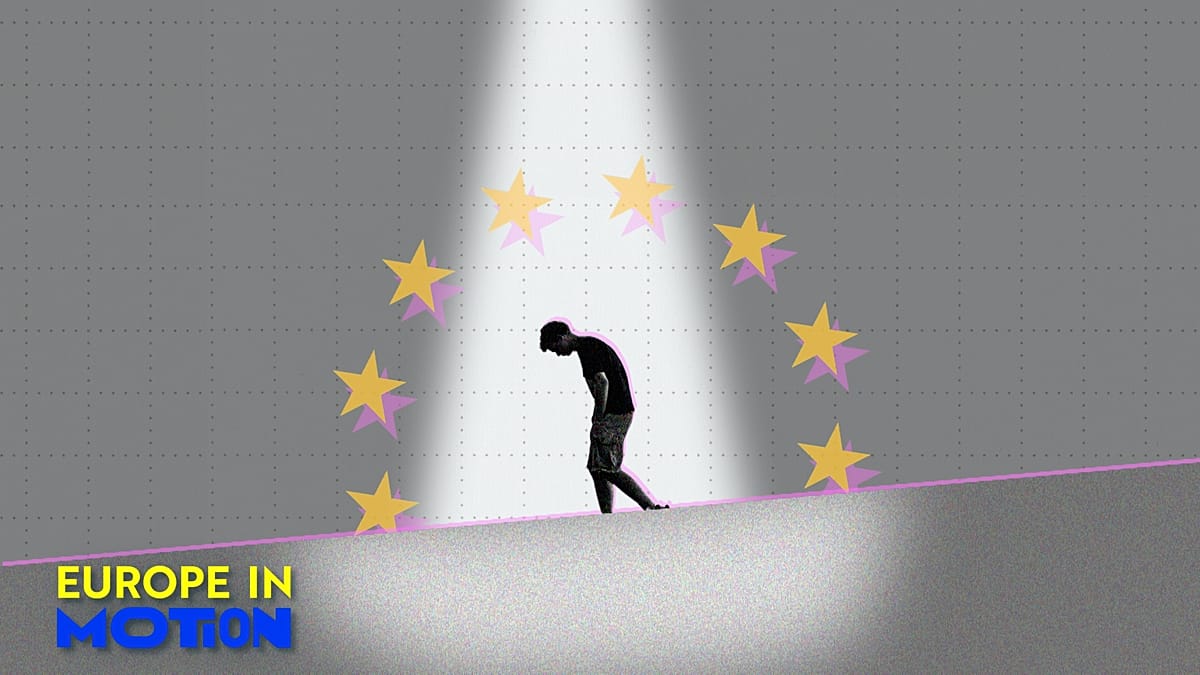
Young people and men are among Europe’s most vulnerable groups to loneliness, according to the OECD’s latest Social Connections and Loneliness report.

Unemployed individuals and those with a low income are also around twice as likely to report feeling lonely.

In 21 European OECD countries, daily face-to-face interactions with friends and family declined consistently between 2006, 2015, and 2022, while remote contact increased following the COVID pandemic.

In 2022, the share of people reporting that they felt lonely “most of the time” or “all of the time” over the past four weeks was the highest in France and Lithuania, at 11% and 9%, respectively.

Spending little time interacting with others and feeling lonely are associated with up to 871,000 global deaths annually.

Loneliness is also linked to poorer job performance, a higher risk of unemployment or leaving education early, and can shape voting behaviour.

“Worsening social connections outcomes for young people (and young men in particular) are not yet well understood,” the OECD report stated. “While on-going academic research finds mixed results on the impact of digital technology on feelings of loneliness and disconnection, there is consensus that how digital tools are used, as well as the types of online behaviours, matter.”

Greece and Slovenia are the EU countries with the highest rate of respondents who said they interact with friends or family at least daily among OECD countries.

By contrast, Lithuania has the highest share of respondents who haven’t interacted (either in person or remotely) with friends or family who live nearby over the past seven days.

Across 22 EU countries, 8% of respondents say they have no close friends, while 3% claim they have no close family members.

Hungary has the highest share of respondents who report having zero close friends, while Belgium has the highest share of respondents who report having zero close family members.

How is Europe tackling the isolation issue?

In May 2025, the World Health Assembly approved a resolution identifying social connection as an essential issue for the global health agenda.

The European Commission and the World Health Organization’s Commission on Social Connection have also identified social isolation and loneliness as public health priorities.

On a local level, Germany, Denmark, Finland, the Netherlands, Sweden and Spain have introduced national strategies to target loneliness.

For example, in Finland, the government adopted the National Youth Work and Youth Policy Programme, which includes initiatives to help young people find jobs, financial counselling, and art therapy, sports, and community service.

Other countries have also brought in measures, taking aim in particular at the way too much mobile phone use can harm social interactions. For instance, to encourage offline connections rather than online contact among young people, Belgium, Finland, France, Greece, and Hungary have limited or banned phones in schools.

“Engaging in fewer face-to-face interactions may decrease the development of important psychological skills in young people, as real-world encounters require a different social skillset than that of online interactions,” the OECD report stated.
Share. Facebook Twitter Pinterest LinkedIn Tumblr Email

Keep Reading

Newsletter: With US ties bruised, EU leaders get ‘their act together’

Newsletter: With US ties bruised, EU leaders get ‘their act together’

Mitsotakis tells Euronews ‘most’ European countries can’t join Trump’s ‘Board of Peace’

Mitsotakis tells Euronews ‘most’ European countries can’t join Trump’s ‘Board of Peace’

Which European countries will heatwaves hit hardest by 2100?

Which European countries will heatwaves hit hardest by 2100?

Podcast: Iran under fire, protests, repression and the EU’s response

Podcast: Iran under fire, protests, repression and the EU’s response

Podcast: Iran under fire, protests, repression and the EU’s response

Podcast: From Davos handshakes to Brussels emergency Talks: What’s Next for the EU?

Europe Today: Greek PM joins as emergency EU Summit on Greenland and Trump resumes today

Europe Today: Greek PM joins as emergency EU Summit on Greenland and Trump resumes today

EU leaders demand respect from Trump after Greenland crisis rattles relationship

EU leaders demand respect from Trump after Greenland crisis rattles relationship

EU must ‘move towards creating European army’, Spanish FM tells Euronews

EU must ‘move towards creating European army’, Spanish FM tells Euronews

NATO allies unaware of Greenland deal details so far, says Spanish FM Albares

NATO allies unaware of Greenland deal details so far, says Spanish FM Albares

Editors Picks
Mitsotakis tells Euronews ‘most’ European countries can’t join Trump’s ‘Board of Peace’

Mitsotakis tells Euronews ‘most’ European countries can’t join Trump’s ‘Board of Peace’

January 24, 2026
Which European countries will heatwaves hit hardest by 2100?

Which European countries will heatwaves hit hardest by 2100?

January 23, 2026
Podcast: Iran under fire, protests, repression and the EU’s response

Podcast: Iran under fire, protests, repression and the EU’s response

January 23, 2026
Podcast: Iran under fire, protests, repression and the EU’s response

Podcast: From Davos handshakes to Brussels emergency Talks: What’s Next for the EU?

January 23, 2026
Latest News
Newsletter: With US ties bruised, EU leaders get ‘their act together’

Newsletter: With US ties bruised, EU leaders get ‘their act together’

January 24, 2026
Mitsotakis tells Euronews ‘most’ European countries can’t join Trump’s ‘Board of Peace’

Mitsotakis tells Euronews ‘most’ European countries can’t join Trump’s ‘Board of Peace’

January 24, 2026
Which European countries will heatwaves hit hardest by 2100?

Which European countries will heatwaves hit hardest by 2100?

January 23, 2026
Facebook X (Twitter) Pinterest TikTok Instagram
© 2026 Times Network New Zealand. All Rights Reserved.
  • Privacy Policy
  • Terms
  • Advertise
  • Contact

Type above and press Enter to search. Press Esc to cancel.