Good morning from Brussels. I’m Mared Gwyn with your Thursday newsletter.
ADVERTISEMENT

ADVERTISEMENT
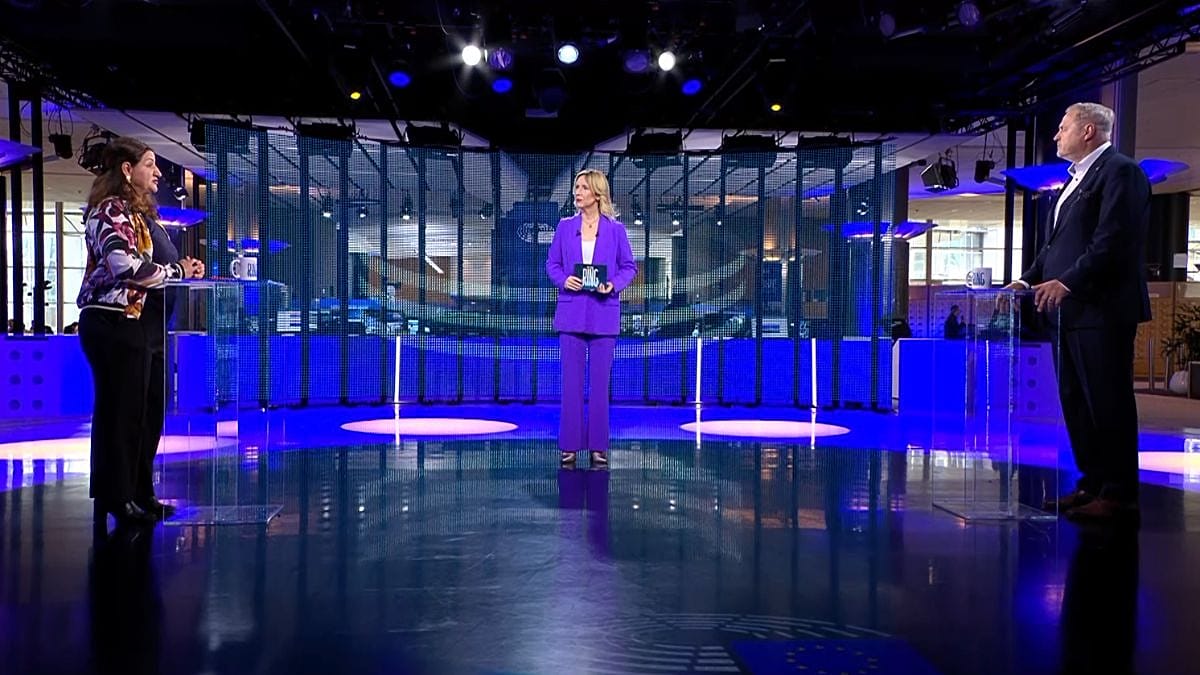
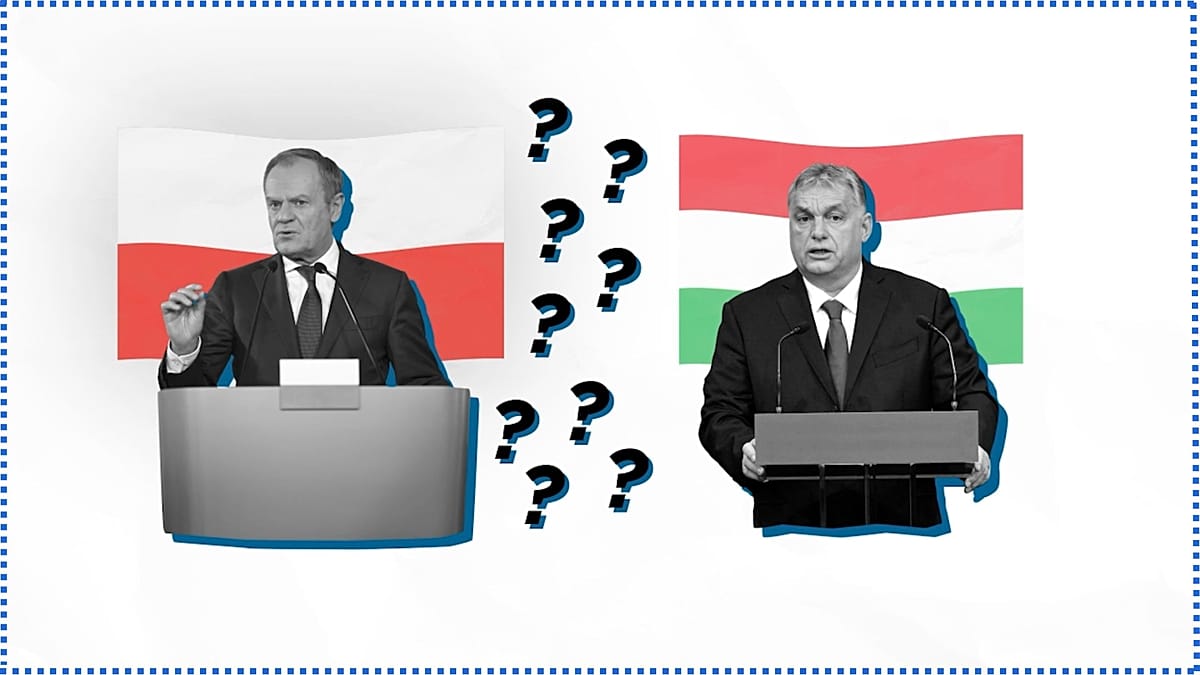
Former European Commission President José Manuel Barroso has told Europe Today that European Council President António Costa should contemplate excluding Hungary from some sensitive EU talks unless Viktor Orbán’s government can adequately explain allegations it has been leaking details of EU meetings to the Kremlin.
A Washington Post report first raised the allegations that Hungarian Foreign Minister Péter Szijjártó had been routinely briefing his Russian counterpart Sergey Lavrov on meetings of EU foreign ministers by calling him during breaks, a claim Budapest continues to deny.
“First of all, they (Hungary) should clarify. If the clarification is not sufficient, I think in some matters, the President of the European Council can perfectly say: we are now going to meet without Hungary,” Barroso told our EU editor Maria Tadeo, adding that all EU countries should respect the principles of “decent behaviour.”
“Tomorrow, for sensitive matters, there is nothing in the (EU) Treaties that makes it impossible for (…) the other 26 or 25 to be in the same room. In the past, it already happened in a way, it was not so dramatic,” Barroso added, citing a time when the UK was excluded from discussions on a fiscal treaty during the financial crisis.
Budapest has dismissed the allegations by saying that it is routine practice to brief global partners, including Russia but also the US, Turkey, Israel and Serbia, “before and after” key ministerial meetings in Brussels.
“The very fact that the government of a European and NATO country puts the United States and Russia at the same level, it’s quite strange, I would say, and I think it raises very important matters of loyalty among member states,” Barroso said. Catch the full interview on Europe Today.
Read on for more on why President Costa is facing the biggest challenge of his presidency yet, as Hungarian Prime Minister Viktor Orbán continues to veto the EU’s €90 billion loan to Ukraine.
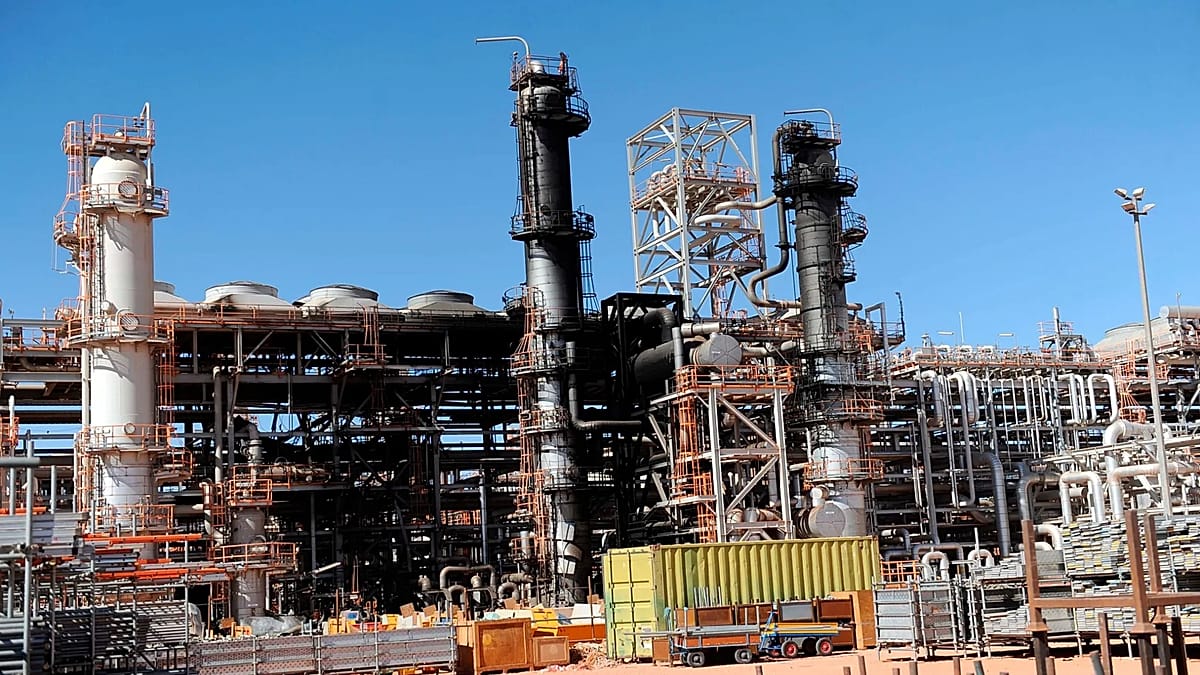
Zelenskyy suggests pivot to Middle East: Our Ukraine correspondent Sasha Vakulina reports this morning that Orbán decision to gradually halt Hungarian gas exports to Ukraine until Kyiv repairs the Druzhba oil pipeline comes as another escalatory step in Budapest’s efforts to block any assistance to Ukraine amid the ongoing dispute over the pipeline.
Last week, Budapest upheld its veto on the €90 billion loan for Ukraine, and continues to block the latest package of EU sanctions on Russia as well as Ukraine’s EU accession process.
“We can see that we are being blocked in Europe, and as long as this risk remains, we need to look for further opportunities to strengthen our position,” Ukrainian President Volodymyr Zelenskyy said in his evening address on Wednesday, indicating that Kyiv might be pivoting away from Europe.
“The Middle East and the Gulf region represent, in our view, the right direction to take and offer significant opportunities to strengthen our position,” Zelenskyy added.
The Ukrainian President confirmed last week that several counties in the Middle East and the Gulf region had formally requested assistance from Ukraine, drawing on its hard‑won expertise in countering Iranian‑designed Shahed‑type drones.
“Ukraine possesses this expertise, and in return for our support, we require corresponding support in areas where we face greater challenges here – namely, protection against ballistic threats and financial resources for defence. Ukraine offers a mutually beneficial partnership: we can strengthen those who can strengthen us.”
One more key vote on the EU-US deal: Meanwhile, the trade deal struck between the EU and the US last summer could clear one last major stumbling block today, our trade reporter Peggy Corlin reports. After passing the European Parliament’s trade committee, the contentious agreement faces a decisive vote in plenary later. The outcome will shape the next phase of negotiations with EU member states.
The deal sets US tariffs at 15% on EU goods while cutting EU tariffs to zero on most US industrial products. Opposing MEPs call it unbalanced, pointing to the US’s erratic trade agenda, from threats over Greenland to fresh investigations following a US Supreme Court ruling that struck down the 2025 tariffs.
MEPs will vote not only on tariff cuts but also on safeguards added by lawmakers. A “sunset clause” would reinstate EU tariffs after 18 months if the deal isn’t renewed, while a “sunrise clause” would make tariff cuts conditional on Washington meeting its commitments, if approved.
In Orbán’s ‘unacceptable’ veto, António Costa finds his biggest challenge yet
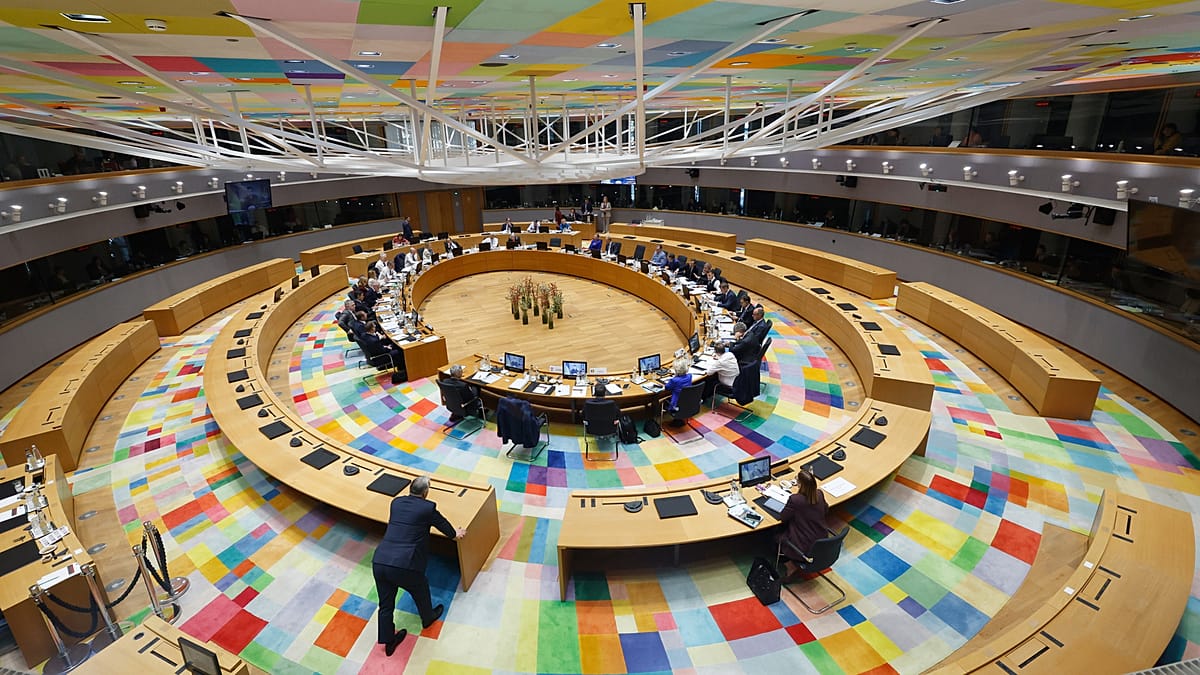
When it comes to Viktor Orbán’s veto on the EU’s €90 billion loan for Ukraine, one man stands to lose the most: António Costa.
My colleague Jorge Liboreiro writes in this must-read analysis that the Hungarian prime minister’s explosive decision to block the loan over the Druzhba pipeline dispute with Ukraine represents the most formidable challenge yet to Costa’s authority and integrity as president of the European Council.
“Nobody can blackmail the European Council. Nobody can blackmail the European Union institutions,” Costa said after tensions came to a boil during last week’s summit, when leaders launched fierce criticism against Orbán for backtracking on the agreement that they had all painstakingly struck in a high-stakes meeting in December.
It was a remarkably harsh intervention by the president, who is known for his affable personality and perennial smile.
Since assuming office at the end of 2024, Costa, one of the few socialists left around a mostly right-wing table, has striven to develop warm relations with all 27 heads of state and government.
While no one in Brussels is pointing the finger specifically at Costa for the continued standoff with Hungary, it is his office, as the ultimate guarantor of European unity, that risks being left high and dry as a result of Orbán’s veto.
“It’s a turning point,” a senior diplomat said, dismissing the idea of coming up with an inventive Plan B to bypass Hungary. “If we talk about a Plan B, we give in to his demand. And nobody is willing to give in to blackmail.”
Given that Orbán has chosen to vilify von der Leyen in his incendiary campaign, ruling her out as a moderator between Brussels and Budapest, Costa is effectively alone. Lifting the Hungarian veto is as much about supporting Ukraine as it is about salvaging the credibility of the European Council and, by extension, his own.
“What’s delicate for him is that it comes from a commitment that was not respected. And that, to our memory, has never happened before,” said another diplomat.
“That’s a real political and institutional challenge.”
Jorge has the full read.
Trump insists Iran ‘badly’ wants deal with the US after Tehran dismisses his ceasefire proposal
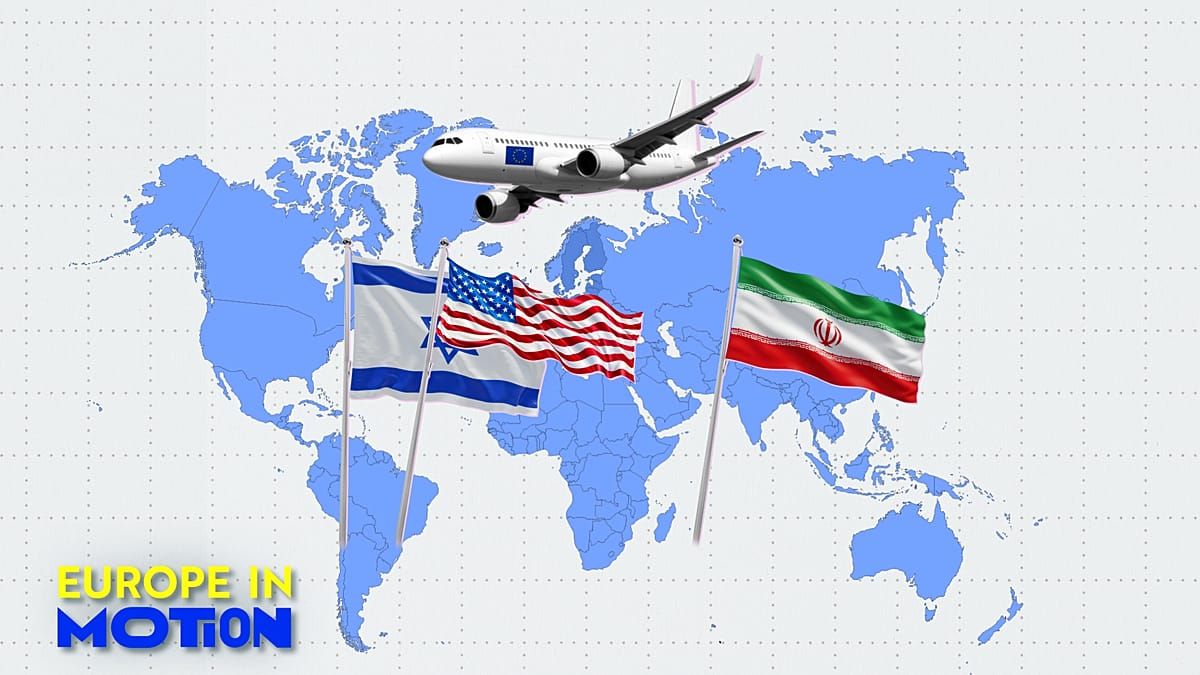
US President Donald Trump has claimed Iran is eager to make a deal to end the war despite Tehran dismissing his 15-point ceasefire plan and issuing its own sweeping counter-demands to stop the hostilities as it launched new attacks at Israel and neighbouring Gulf Arab states.
Earlier on Wednesday, Pakistan – which along with Turkey has emerged as a possible mediator to the conflict – said it had presented the US demands to Iranian officials, in a bid to kickstart a diplomatic process aimed at restoring order and peace to the region.
Speaking broadly on Washington’s demands, Pakistani officials familiar with the Trump proposal said the deal included sanctions relief, a rollback of Iran’s nuclear programme, limits on missiles and reopening the crucial Strait of Hormuz, through which a fifth of the world’s oil usually passes each year.
Responding to the proposal, Iran – through state-run broadcasters – rejected the White House’s demands and instead issued its own list of demands, which included reparations for the war, guarantees that no further wars could be launched against it, a halt to killing of its officials and sovereignty over the strategic waterway.
They also maintained that Iran had not engaged in any sort of direct or indirect negotiations aimed at ending hostilities with the United States, rebuking Trump claims.
“No negotiations have happened with the enemy until now, and we do not plan on any negotiations,” said Abbas Araghchi, Iran’s foreign minister.
Malek Fouda has the full story.
More from our newsrooms
Hungary left in the cold as European Commission keeps defence cash frozen. Hungary has become the only EU country still waiting for Brussels to approve its request to tap into a landmark €150 billion EU defence financing programme known as SAFE, after France and Czech the Republic’s plans were rubber-stamped on Tuesday. Sándor Zsiros hasthe details.
Danish king tasks outgoing PM Mette Frederiksen with leading talks for next government. Denmark’s King Frederik X tasked outgoing Prime Minister Mette Frederiksen with leading talks to form a new government on Wednesday, after her Social Democrats scraped through a general election without securing a majority. Gavin Blackburn has more.
Gazprom and Rosneft tied to deportation of Ukrainian children, Yale report says. Russia’s energy companies helped facilitate and sponsor the transport and re-education of forcefully deported Ukrainian children, Yale Humanitarian Research Lab (HRL) stated in its latest report. Sasha Vakulina has the story.
We’re also keeping an eye on
- European Commissioner for Enlargement Marta Kos is in Podgorica, Montenegro
- European Commissioner for Defence Andrius Kubilius to sign Secure Connectivity agreements with Iceland and Norway
- Finnish President Alexander Stubb to host the Joint Expeditionary Force (JEF) Leaders’ Summit in Helsinki
That’s it for today. Peggy Corlin, Sasha Vakulina, Jorge Liboreiro, Malek Fouda, Maria Tadeo and Sandor Zsiros contributed to this newsletter.
Remember to sign up to receive Europe Today in your inbox every weekday morning at 08.30.