A coalition of nine EU member states, plus Iceland and Norway, is stepping up pressure to tighten visa conditions for Russian tourists as the summer holiday season approaches.
ADVERTISEMENT

ADVERTISEMENT
The initiative was led by Sweden, with the support of Czechia, Denmark, Estonia, Finland, Latvia, Lithuania, the Netherlands and Poland.
All 11 countries signed a joint letter earlier this week addressed to EU foreign policy chief Kaja Kallas and Internal Affairs Commissioner Magnus Brunner.
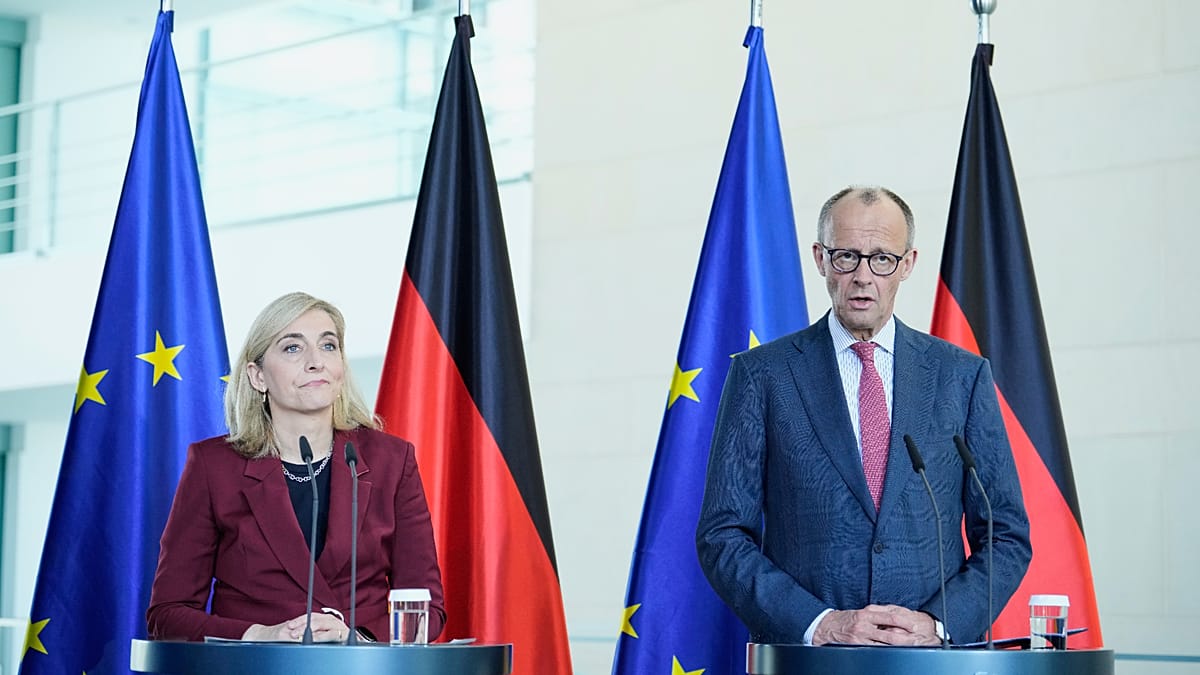
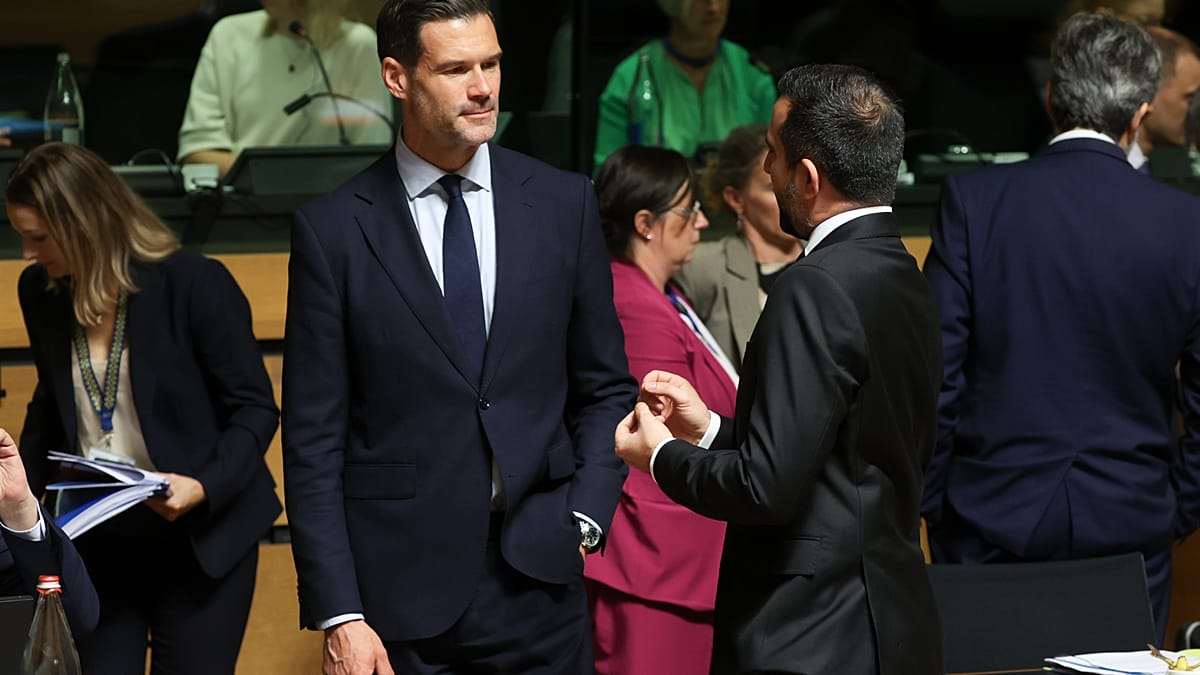
“What I want to accomplish is very clear. I want there to be no more shopping weekends. I want no more fancy trips to Europe while Ukrainians are dying on the battlefield,” Johan Forssell, Sweden’s Minister for Migration and Asylum, told reporters ahead of the Justice and Home Affairs Council on Thursday.
The letter points out that following Russia’s aggression against Ukraine in 2022, the European Commission issued guidelines on handling visa applications from Russian nationals.
“However, the uneven implementation of these guidelines across member states leaves much to be desired, as it lacks both solidarity and consistency. It also risks placing member states in unequal economic positions,” the letter, seen by Euronews, reads.
The signatories argue that this fragmentation weakens EU leverage and sends mixed messages about the bloc’s resolve towards Russia, at a time when Moscow is launching fresh offensives against civilians and infrastructure in Ukraine.
The letter also warns that uneven visa practices for Russian tourists may create a security risk across the entire Schengen area, particularly given the movement of hundreds of thousands of Russian military personnel.
Without naming specific countries, the letter cites Schengen Barometer data showing a consistent increase in visas issued to Russian nationals in the EU between 2023 and 2025.
France issued the highest number of visas to Russian nationals in 2025, at just under 180,000 — a significant jump from 2024. Italy ranked second at just under 160,000, despite a slight decrease on the previous year. Spain came third at just under 100,000, broadly stable year on year.
Opponents of the initiative argue that the visa numbers merely reflect how larger member states generally receive and process more visa applications than smaller ones. They also pushed back against suggestions that visas undermined EU action against Moscow, as the Russians responsible for the war were already being sanctioned.
The 11 countries are calling on the EU institutions to introduce new, binding visa restrictions, monitor the effective implementation of existing guidelines, provide member states with regular aggregated statistics, and develop a mechanism to identify former Russian combatants.
The issue was raised during Thursday’s ministerial meeting in Luxembourg, though it was not formally on the agenda and no decision was taken. Based on this preliminary discussion, the coalition is seeking from the EU institutions a proposal to restart the debate.
“This situation is completely insane, and it needs to be stopped,” Forssell said.