

Published on
Member states have once again discussed options for restrictive measures against Israel’s illegal settlements, but no majority backed a specific course of action, and there is still no sense of direction.
ADVERTISEMENT

ADVERTISEMENT
On Wednesday, the sensitive question of relations with Israel returned to the table of EU ambassadors, who discussed next steps on a series of options for sanctioning the country’s settlements in the Occupied Palestinian Territories.
The options – ranging from stricter enforcement of existing labelling rules for settlement products, to prohibitive tariffs, to a full trade ban – were discussed at the last meeting of EU foreign affairs ministers.
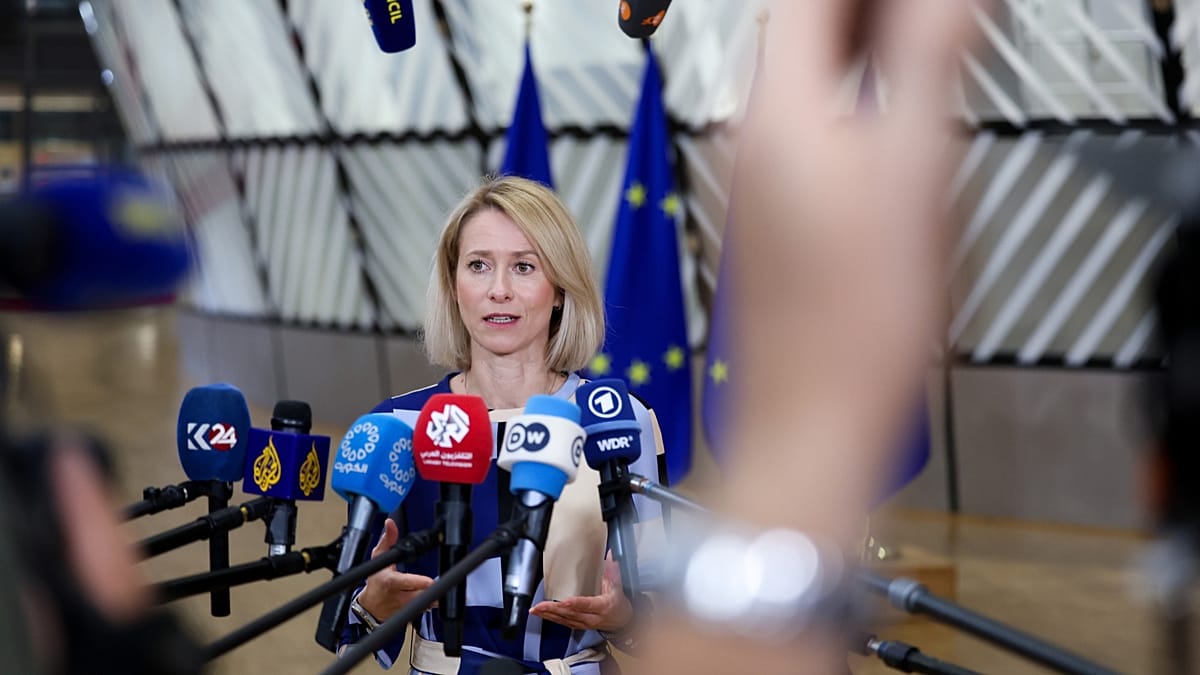
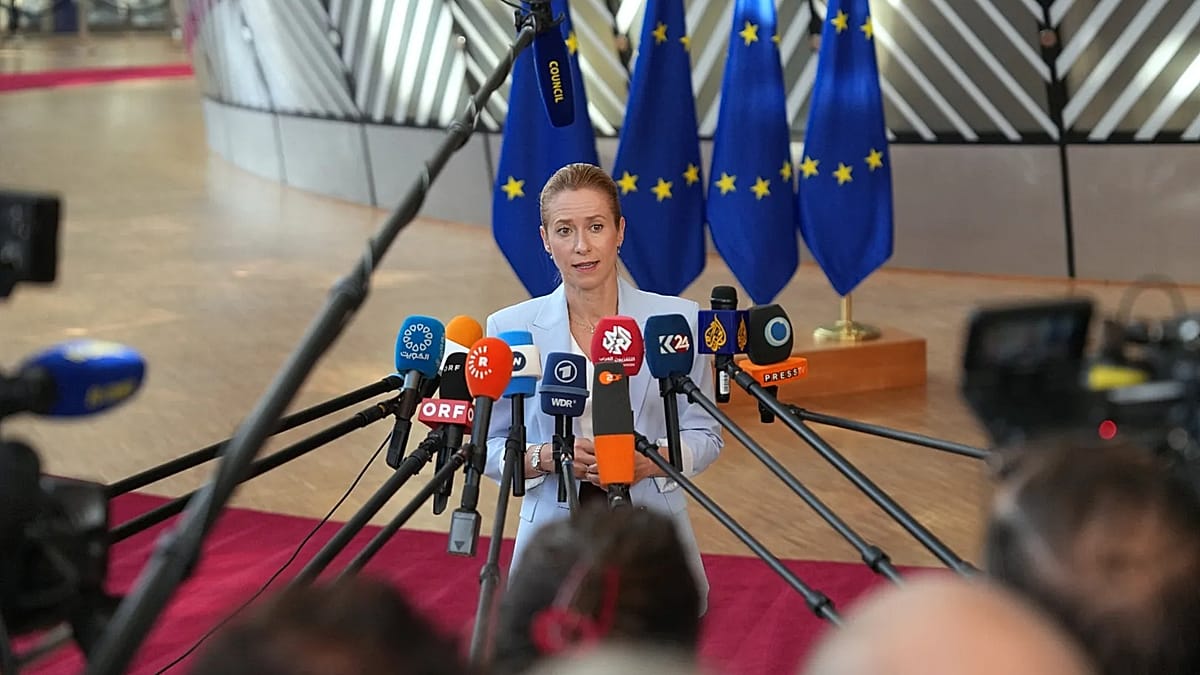
According to EU foreign policy chief Kaja Kallas, “the option that got the most support was banning the trade with the illegal settlements.” She herself floated the idea of convening an extraordinary meeting of foreign ministers to advance the file.
But the ambassadors’ discussion, meant to give the Irish presidency of the Council of the EU a political steer, produced no clear indication. Four diplomats told Euronews that there was not sufficient support to back any of the proposed options.
“There is no real sense of direction,” an EU diplomat told Euronews on condition of anonymity. “Member states didn’t want to move forward for now.”
Under EU treaties, the Council can request, by simple majority, that the Commission presents a proposal. So far, the EU executive has been reluctant to move ahead on sanctions against Israeli settlements, judging that political support is insufficient.
Israel remains a divisive issue among EU capitals. While countries such as the Netherlands, Sweden and France have pushed to crack down on imports from Israeli settlements, Germany and Czechia have resisted moves that might alienate the Israeli government.
“Some member states are looking for a way forward, but others are not moving in any direction at all,” a second diplomat said. “We could not get a read on what was happening.”
Support for a trade ban is not far off a simple majority, but the threshold of 14 member states has not been reached. Some seven countries reportedly oppose any of the proposals, while others have yet to take a position.
With nothing to tip the balance either way, diplomats agree there is no clear sense of what comes next. The picture is further complicated by Israel’s upcoming parliamentary elections in late October, which make any EU move even less likely for fear of being seen to interfere in domestic politics.
The Irish presidency closed the meeting by announcing that further bilateral consultations will take place over the summer. The extraordinary Foreign Affairs Council floated by Kallas now looks unlikely, with political urgency building behind other files, notably the renewed hostilities between the US and Iran.
The next high-level discussion currently planned is the informal meeting of foreign ministers in Ireland in early September. Even then, it is unclear whether there will be time to address the issue, as attention has moved elsewhere.
“We all know it’s complicated, but it cannot be forced,” the first diplomat told Euronews. “It needs more time.”