Times Network New Zealand
  • Home
  • Local News
  • World
  • Business
  • Lifetyle
  • Entertainment
  • Technology
  • Travel
  • Food
  • Editor’s Choice
  • Press Release
What's On
Mercosur: How Macron’s domestic weakness undercut his Brussels clout

Mercosur: How Macron’s domestic weakness undercut his Brussels clout

January 10, 2026
As Bulgaria joins the euro, how do the other 20 member states see the currency?

As Bulgaria joins the euro, how do the other 20 member states see the currency?

January 10, 2026
Repair and reuse: inside Europe’s refurbished tech market

Repair and reuse: inside Europe’s refurbished tech market

January 10, 2026
EU rejects violence against protesters in Iran, backs ‘legitimate aspiration’ for change

EU rejects violence against protesters in Iran, backs ‘legitimate aspiration’ for change

January 10, 2026
EU member states back Mercosur deal, French MEPs vow fight in Parliament

EU member states back Mercosur deal, French MEPs vow fight in Parliament

January 10, 2026
Facebook X (Twitter) Instagram
Web Stories
Facebook X (Twitter) Instagram
Times Network New Zealand
Subscribe
  • Home
  • Local News
  • World
  • Business
  • Lifetyle
  • Entertainment
  • Technology
  • Travel
  • Food
  • Editor’s Choice
  • Press Release
Times Network New Zealand
Home » ‘Patriotic’ travel: Which Europeans are least likely to leave their home turf?
World

‘Patriotic’ travel: Which Europeans are least likely to leave their home turf?

By Press RoomOctober 28, 20253 Mins Read
‘Patriotic’ travel: Which Europeans are least likely to leave their home turf?
Share
Facebook Twitter LinkedIn Pinterest Email
‘Patriotic’ travel: Which Europeans are least likely to leave their home turf?

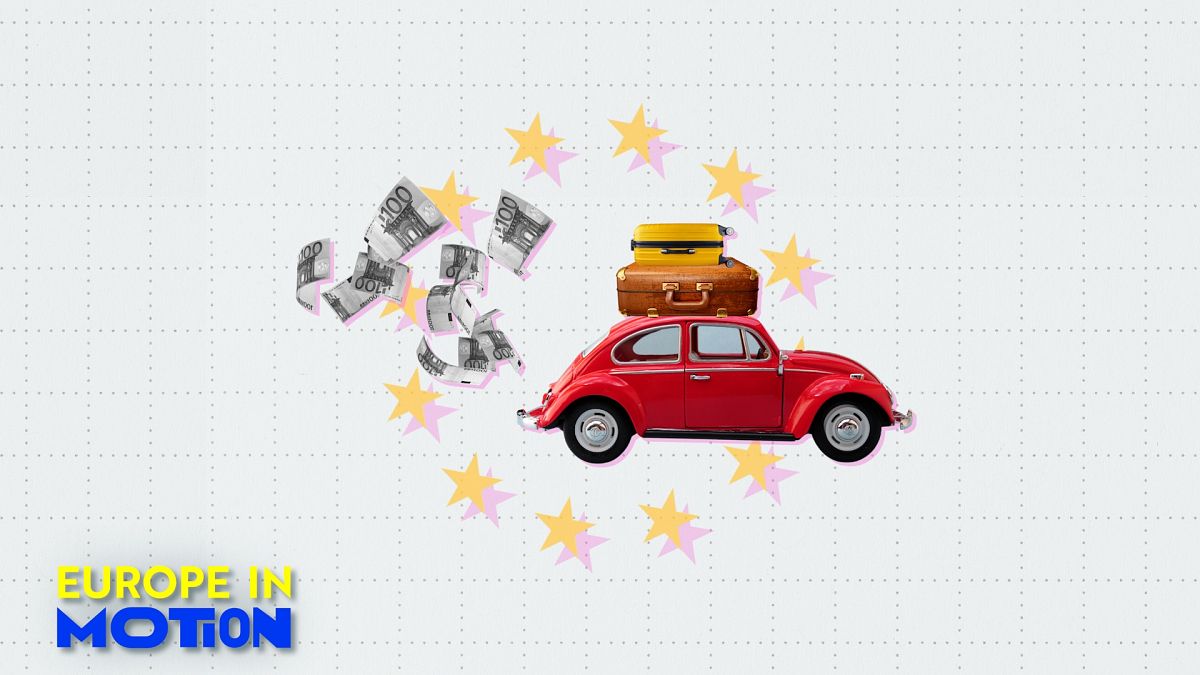
When travelling for personal reasons, EU citizens generally prefer to stay within their borders.

The latest Eurostat data shows a clear preference for domestic travel (71%) over intra-EU (21%) and extra-EU travel (8%).

Spaniards are the most “loyal” to their country, according to the figures: only 8% of their journeys within the bloc take place outside of Spain.

The French and the Romanians place second, with just 9% of trips spent abroad but within the EU.

At the other end of the scale, and perhaps unsurprisingly, are countries of relatively small size: Luxembourg (78%), Belgium (62%) and Malta (48%).

Spending vs saving: Europe’s budget vs lavish travellers

Europe in Motion analysed Eurostat data further to find out how much and where EU travellers spend their money abroad.

Luxembourg tops the list of big spenders, shelling out an average of €1,758 on foreign trips lasting at least four nights.

They’re followed closely by the Swedes (€1,744), the Austrians (€1,573), the Finns (€1,501) and the French (€1,403).

At the other end of the scale, those who appear to spend the least are the Lithuanians (€569), the Hungarians (€580) and the Slovenians (€667).

Food: Who can’t give up on local delicacies and who shuns them?

When it comes to food and drinks, the Cypriots take the lead, splurging an average of €320 on restaurants and cafés during trips abroad lasting at least four days,

The Estonians are second (€305), ahead of the Finns (€274) and the Greeks (€263).

Looking closer, Balkan tourists tend to devote a large share of their travel budget — often a quarter or more — to eating and drinking out.

Bulgarians lead with 34%, followed by Romanians (29.5%), Croatians (29%), Greeks (27.5%) and Cypriots (25%).

At the other end of the spectrum, local food doesn’t top the bucket list of the French, setting aside just 9% of their travel budget for food — the smallest share among all surveyed countries.

The same goes for the Swedes: despite being among Europe’s top travel spenders, they dedicate only 13% of their travel budget to dining and drinks.

Accommodation: Danes don’t care, no bad surprises for Belgians

Accommodation tells a very different story.

Belgians, Germans and Austrians are determined to avoid unpleasant surprises: They allocate 40% or more of their total travel spending to hotel and lodgings – the highest shares in the EU.

Latvians also prioritise comfort, ranking fourth for accommodation spending, even though they sit only 22nd for total travel expenditure.

Meanwhile, central European countries such as the Czech Republic, Poland and Hungary spend the least proportionally on accommodation.

At the very bottom of the EU list, however, are the Danes, who allocate just under a third (32.6%), of their total travel budget to hotels and guesthouses.
Share. Facebook Twitter Pinterest LinkedIn Tumblr Email

Keep Reading

Mercosur: How Macron’s domestic weakness undercut his Brussels clout

Mercosur: How Macron’s domestic weakness undercut his Brussels clout

As Bulgaria joins the euro, how do the other 20 member states see the currency?

As Bulgaria joins the euro, how do the other 20 member states see the currency?

Repair and reuse: inside Europe’s refurbished tech market

Repair and reuse: inside Europe’s refurbished tech market

EU rejects violence against protesters in Iran, backs ‘legitimate aspiration’ for change

EU rejects violence against protesters in Iran, backs ‘legitimate aspiration’ for change

EU member states back Mercosur deal, French MEPs vow fight in Parliament

EU member states back Mercosur deal, French MEPs vow fight in Parliament

Podcast: What does Maduro’s capture mean for the EU?

Podcast: What does Maduro’s capture mean for the EU?

Donald Trump intends to visit Hungary’s Orbán during key election campaign

Donald Trump intends to visit Hungary’s Orbán during key election campaign

EU troops might be needed to stop a US showdown in Greenland

EU troops might be needed to stop a US showdown in Greenland

Analysis: From Venezuela to Greenland, the EU scrambles to find a voice and a plan

Analysis: From Venezuela to Greenland, the EU scrambles to find a voice and a plan

Editors Picks
As Bulgaria joins the euro, how do the other 20 member states see the currency?

As Bulgaria joins the euro, how do the other 20 member states see the currency?

January 10, 2026
Repair and reuse: inside Europe’s refurbished tech market

Repair and reuse: inside Europe’s refurbished tech market

January 10, 2026
EU rejects violence against protesters in Iran, backs ‘legitimate aspiration’ for change

EU rejects violence against protesters in Iran, backs ‘legitimate aspiration’ for change

January 10, 2026
EU member states back Mercosur deal, French MEPs vow fight in Parliament

EU member states back Mercosur deal, French MEPs vow fight in Parliament

January 10, 2026
Latest News
Mercosur: How Macron’s domestic weakness undercut his Brussels clout

Mercosur: How Macron’s domestic weakness undercut his Brussels clout

January 10, 2026
As Bulgaria joins the euro, how do the other 20 member states see the currency?

As Bulgaria joins the euro, how do the other 20 member states see the currency?

January 10, 2026
Repair and reuse: inside Europe’s refurbished tech market

Repair and reuse: inside Europe’s refurbished tech market

January 10, 2026
Facebook X (Twitter) Pinterest TikTok Instagram
© 2026 Times Network New Zealand. All Rights Reserved.
  • Privacy Policy
  • Terms
  • Advertise
  • Contact

Type above and press Enter to search. Press Esc to cancel.