Times Network New Zealand
  • Home
  • Local News
  • World
  • Business
  • Lifetyle
  • Entertainment
  • Technology
  • Travel
  • Food
  • Editor’s Choice
  • Press Release
What's On
Smart, electric and autonomous: welcome onboard the ultimate ‘last-mile’ shuttle bus

Smart, electric and autonomous: welcome onboard the ultimate ‘last-mile’ shuttle bus

January 31, 2026
Liquid anxiety: Which European airports have scrapped the 100ml limit?

Liquid anxiety: Which European airports have scrapped the 100ml limit?

January 31, 2026
Podcast: Chocolate, wine, whiskey – the ingredients of the EU-India trade deal

Podcast: Chocolate, wine, whiskey – the ingredients of the EU-India trade deal

January 30, 2026
Mark Rutte should stop being an ‘American agent’ and unite NATO, Charles Michel says

Mark Rutte should stop being an ‘American agent’ and unite NATO, Charles Michel says

January 30, 2026
Europe Today: Exclusive interview with Charles Michel, former European Council President

Europe Today: Exclusive interview with Charles Michel, former European Council President

January 30, 2026
Facebook X (Twitter) Instagram
Web Stories
Facebook X (Twitter) Instagram
Times Network New Zealand
Subscribe
  • Home
  • Local News
  • World
  • Business
  • Lifetyle
  • Entertainment
  • Technology
  • Travel
  • Food
  • Editor’s Choice
  • Press Release
Times Network New Zealand
Home » Podcast: Frozen Russian assets explained simply
World

Podcast: Frozen Russian assets explained simply

By Press RoomDecember 18, 20254 Mins Read
Podcast: Frozen Russian assets explained simply
Share
Facebook Twitter LinkedIn Pinterest Email
Podcast: Frozen Russian assets explained simply
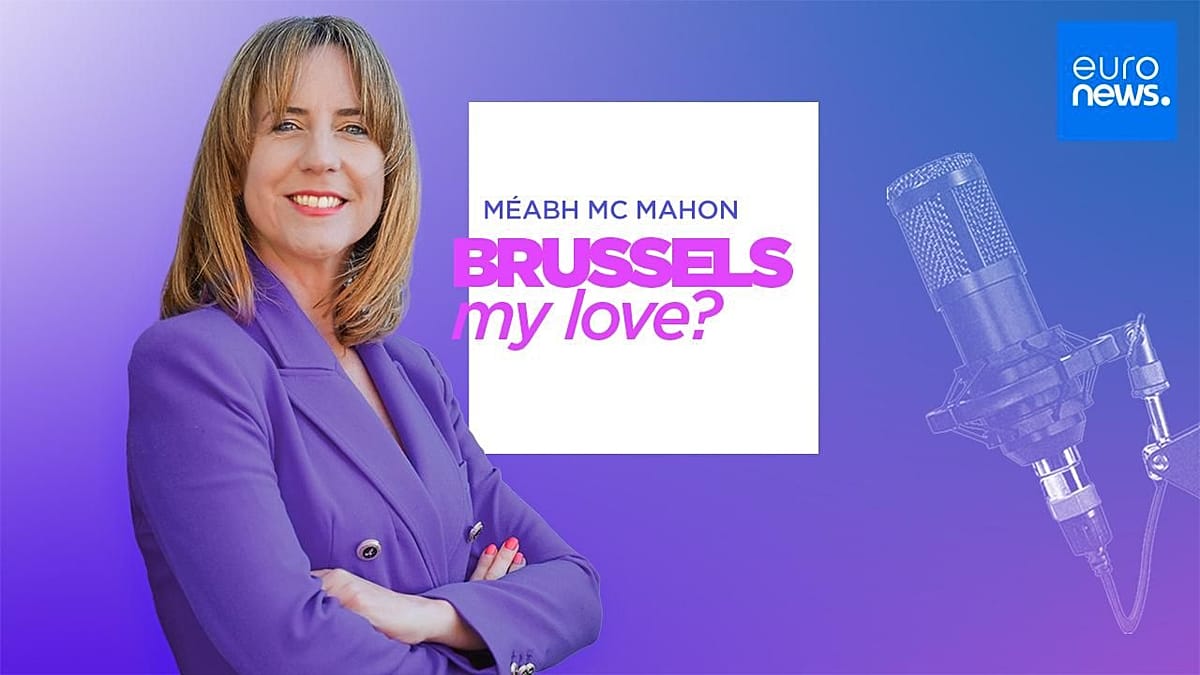
By&nbspMéabh Mc Mahon&nbsp&&nbspAlice Carnevali

Published on 17/12/2025 – 17:01 GMT+1
•Updated
17:29

If you are interested in European Union politics and international relations, you’ve probably come across the term “frozen Russian assets” multiple times over the past few weeks – and may have noticed that it is at the centre of an intense debate among EU member states.

So what makes these assets so divisive, and why is it so crucial that Ukraine taps into this steam of revenue?

In this special episode of our podcast, Brussels, My Love?, we sit down with Euronews’ EU politics reporter Jorge Liboreiro to answer these and many more questions about a topic that is dividing Europe, and which will be in the spotlight at the European Council meeting on 18–19 December.

What are “Russian assets”?

The assets in question were held within the EU by the Russian Central Bank before the start of the full-scale invasion of Ukraine in 2022. They include bonds, securities, and other financial holdings, and are primarily held in Belgium.

“We have €210 billion of Russian sovereign assets inside the European Union,” Liboreiro explains. “Of these, €185 billion are in Euroclear, which is a depository here in Brussels.”

“The rest, €25 billion, is spread across private banks, which have not been identified.”

These assets are described as “frozen” because they were immobilised as part of the sanctions imposed on Russia after the full-scale invasion of Ukraine.

“The idea was to quickly deprive Russia of the money they need to fund the war in Ukraine, which is a very expensive and resource-intensive effort,” Liboreiro says.

As a result of the immobilisation by the EU and the G7 countries, Russia cannot draw on these funds.

Why now?

“Ukraine needs a fresh injection of foreign assistance as early as April,” Loboreiro told the podcast. “So the urgency is there.”

With the United States out of the picture, Ukraine faces a significant shortage of foreign assistance, and it’s now on the EU to ensure that Ukraine can meet its budget and military needs with at least €90 billion for the next two years.

To collect this money, the EU has two options: issue a zero-interest reparations loan based on immobilised Russian assets, or borrow the money jointly.

The first option consists of turning the frozen Russian assets into a reparation loan for Ukraine. “Gradually send the money to Ukraine, and Ukraine at the end of this process will repay the money, but only if Moscow agrees to pay war reparations,” Liboreiro explains.

This plan requires an agreement among EU member states, which will discuss the proposal on Thursday during the European Council meeting. And they are not all on the same page.

“Belgium fears that it will be on the front line of Russia’s retaliation and will have to pay billions and billions of euros in damages and compensation to Russia because these are sovereign assets,” Jorge Liboreiro said.

Hungary is also opposed to this measure due to its resistance to any assistance to Ukraine, while other countries – including Malta, Bulgaria, the Czech Republic, and Italy – have also raised concerns.

The second option, joint debt, also poses some issues.

“Joint debt for a non-EU country requires unanimity because you need to change the rules of the EU budget” Liboreiro explained. “And if you have one single country, in this case Hungary, saying no to any option, any form of assistance to Ukraine, then how do you do a joint debt?”

Listen to the special episode of Brussels, My Love? wherever you get your podcasts.

Additional sources • Georgios Leivaditis, sound edtor and mixer.
Share. Facebook Twitter Pinterest LinkedIn Tumblr Email

Keep Reading

Smart, electric and autonomous: welcome onboard the ultimate ‘last-mile’ shuttle bus

Smart, electric and autonomous: welcome onboard the ultimate ‘last-mile’ shuttle bus

Liquid anxiety: Which European airports have scrapped the 100ml limit?

Liquid anxiety: Which European airports have scrapped the 100ml limit?

Podcast: Chocolate, wine, whiskey – the ingredients of the EU-India trade deal

Podcast: Chocolate, wine, whiskey – the ingredients of the EU-India trade deal

Mark Rutte should stop being an ‘American agent’ and unite NATO, Charles Michel says

Mark Rutte should stop being an ‘American agent’ and unite NATO, Charles Michel says

Europe Today: Exclusive interview with Charles Michel, former European Council President

Europe Today: Exclusive interview with Charles Michel, former European Council President

Renewable energy: While Trump opposes wind energy, how many jobs is clean energy providing the EU?

Renewable energy: While Trump opposes wind energy, how many jobs is clean energy providing the EU?

Watch the video: Who are you, Mark Rutte?

Watch the video: Who are you, Mark Rutte?

EU considers entry ban on Russian soldiers who fought in Ukraine

EU considers entry ban on Russian soldiers who fought in Ukraine

EU to pursue ‘assertive diplomacy’ on migration using visas as leverage

EU to pursue ‘assertive diplomacy’ on migration using visas as leverage

Editors Picks
Liquid anxiety: Which European airports have scrapped the 100ml limit?

Liquid anxiety: Which European airports have scrapped the 100ml limit?

January 31, 2026
Podcast: Chocolate, wine, whiskey – the ingredients of the EU-India trade deal

Podcast: Chocolate, wine, whiskey – the ingredients of the EU-India trade deal

January 30, 2026
Mark Rutte should stop being an ‘American agent’ and unite NATO, Charles Michel says

Mark Rutte should stop being an ‘American agent’ and unite NATO, Charles Michel says

January 30, 2026
Europe Today: Exclusive interview with Charles Michel, former European Council President

Europe Today: Exclusive interview with Charles Michel, former European Council President

January 30, 2026
Latest News
Smart, electric and autonomous: welcome onboard the ultimate ‘last-mile’ shuttle bus

Smart, electric and autonomous: welcome onboard the ultimate ‘last-mile’ shuttle bus

January 31, 2026
Liquid anxiety: Which European airports have scrapped the 100ml limit?

Liquid anxiety: Which European airports have scrapped the 100ml limit?

January 31, 2026
Podcast: Chocolate, wine, whiskey – the ingredients of the EU-India trade deal

Podcast: Chocolate, wine, whiskey – the ingredients of the EU-India trade deal

January 30, 2026
Facebook X (Twitter) Pinterest TikTok Instagram
© 2026 Times Network New Zealand. All Rights Reserved.
  • Privacy Policy
  • Terms
  • Advertise
  • Contact

Type above and press Enter to search. Press Esc to cancel.