



Euronews: Europe has been battling Storm Goretti, bringing heavy snow and icy conditions to many parts of the continent. More than 10 people have died in weather-related accidents across Europe this week, and Germany is now facing snowfalls of up to 20 cm — which the country’s state railway has described as one of the most severe weather events in recent years. In the Paris region, authorities were forced to take 10,000 buses off the roads across 1,900 lines. Many households have lost electricity, air traffic has been severely disrupted, and rail services have been critically suspended. Even though Europe experiences fewer snowstorms than Canada, are Europeans generally bad at anticipating them?
Patrick de Bellefeuille: First and foremost, weather forecasts are part of daily life for Canadians, especially in Quebec and Montreal. People check them all the time, so we aren’t surprised when snow arrives—we know in advance. But it’s also clear that people are well-equipped here. For example, every household has a bucket of de-icing agent. If it’s icy on the steps or in the driveway, we have the de-icer ready. In our cars, we all carry a shovel and a battery system that can plug into the cigarette lighter if we need power. We also have windshield washer fluid and de-icing products. Having this equipment is normal for Canadians—it’s part of everyday life.
Euronews: What are the main Canadian ‘best practices’ for dealing with heavy snowfall?
Patrick de Bellefeuille: Municipal authorities also prepare in advance. They know when snowstorms or freezing rains are coming. Regarding de-icers or abrasives used on streets and sidewalks, there are different types depending on the conditions. For example, if snow has fallen and temperatures drop below -15°C, sand and gravel are used. When temperatures are just below freezing, a salt-based abrasive that melts ice is applied. Authorities plan carefully and use preventive measures whenever possible.
Euronews: Right, but what we saw this week in Brussels and other cities is a snowstorm that caused huge disruptions, as if heavy snow was nearly unprecedented. Schools closed, traffic was chaotic, there were accidents, people slipped—it seemed like a lack of preparation.
Patrick de Bellefeuille: Here in Quebec, we have a law requiring winter tires from December 1 to March 15—it’s mandatory (…). That solves a big problem. We also have five “snow days” in our school system, when children don’t go to school if roads are unsafe. Decisions are based on road conditions: can children safely take school buses? If it’s too dangerous, a snow day is declared. At the end of the school year, if fewer than five snow days are used, school days are adjusted accordingly.
Euronews: Are there major disruptions to air, road, and railway traffic in Canada as well? In the Netherlands, snow and strong winds have seen over 700 flights cancelled at Amsterdam Schiphol airport.
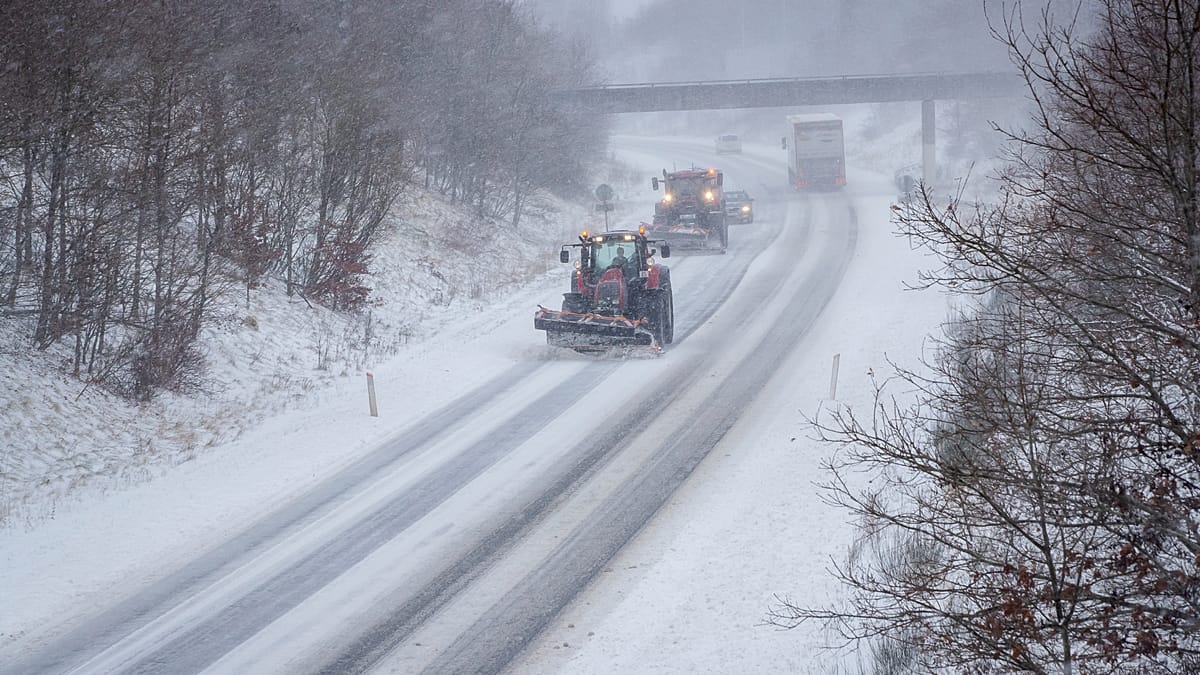
Patrick de Bellefeuille: Yes, but weather events happen frequently here. I experience snowstorms almost continuously for four months. We are better organized out of necessity. For example, at Montréal airport, the aircraft de-icing system is extensive. We can de-ice three or four planes at a time. Weather has to be really severe before flights are cancelled. Delays can occur, but cancellations are rare because systems are in place to clear runways. We have tractors with rotating brushes at the front that literally scratch the asphalt to remove impurities and prevent planes from sliding. They line up four or five tractors side by side and clear the runways continuously. This preparation is standard here because snowstorms are frequent, but I understand that in Brussels, which experiences them only two or three times a year, such equipment may not be available.
Euronews: Do you think there are mistakes people should avoid during a winter storm?
Patrick de Bellefeuille: First, if you don’t have to go out, stay home—it’s safer. If you must drive, reduce your speed and allow for longer braking distances. On sidewalks, older people can use rubber grips with clamps on their shoes to avoid slipping.
Euronews: What general advice would you give to Europeans to protect themselves from snowstorms? What do Canadians do?
Patrick de Bellefeuille: Even with 20 cm of snow, life goes on here—it’s normal. Our main concern is ice. I prepare by consulting forecasts and planning my day around weather conditions: when it will be worst and how to adapt. Consider public transport: buses have snow tires, which could also be done in Europe. Where winter tires aren’t mandatory, a plan B—like chains on buses—should be in place.
Euronews: In your opinion, should Europe prepare to experience these events more frequently in the future?
Patrick de Bellefeuille: Climate change leads to more extremes: we may lose average temperatures but retain the extremes. There are studies showing that the Gulf Stream could slow down its course with the melting of the North Pole and the North Pole is responsible for the temperature differences we experience between summer and winter (…) We’ll have to get used to cold strokes and Europe will have to adapt to it.