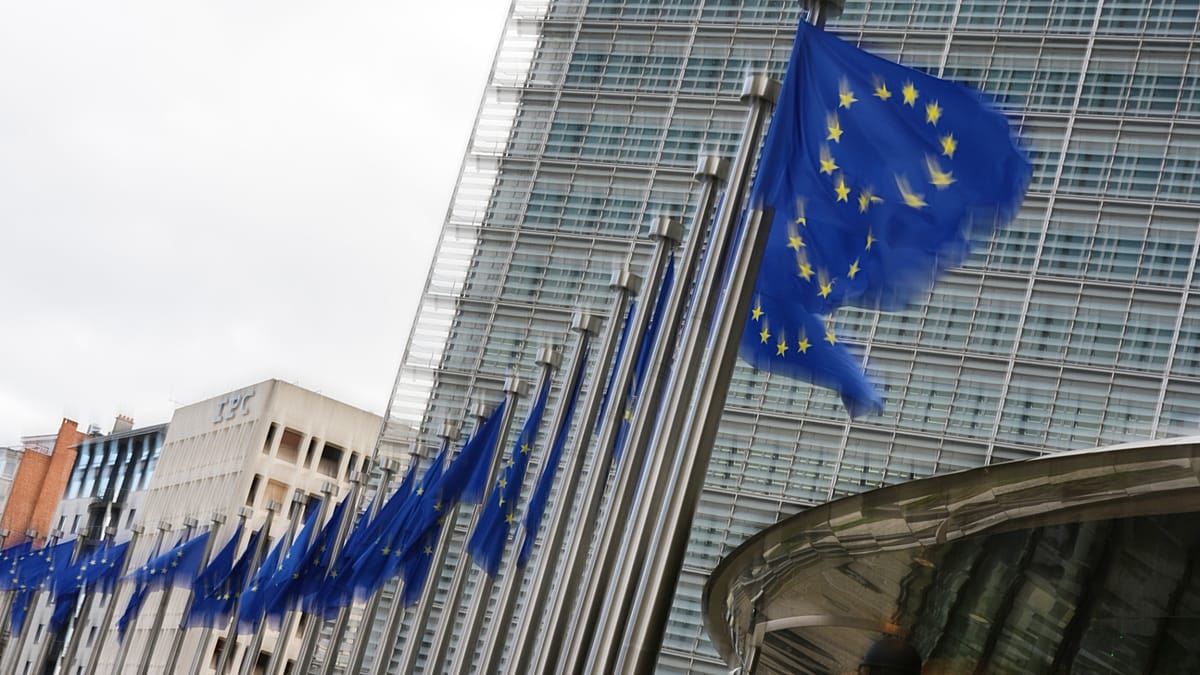

European leaders announced on Friday that they were accelerating plans for a neutral, defensive multinational mission to secure shipping in the Strait of Hormuz, even after Iran said earlier that the waterway had been fully reopened to maritime traffic for the remainder of the ceasefire due to expire on 22 April.
ADVERTISEMENT

ADVERTISEMENT
Co-chaired by French President Emmanuel Macron and British Prime Minister Keir Starmer, the Paris meeting brought together 49 countries, mostly by video conference, to discuss a future defensive operation aimed at securing freedom of navigation once conditions allow.
The United States was not part of the initiative, which France and Britain have framed as distinct from the belligerents and separate from Washington’s blockade policy still underway, according to Donald Trump.
The US President said in an all-caps social media post that the US Navy’s blockade of Iranian ports would remain in force “UNTIL SUCH TIME AS OUR TRANSACTION WITH IRAN IS 100% COMPLETE.”
Macron welcomed both the ceasefire between Iran and the United States and the truce involving Lebanon, saying the latest developments were moving “in the right direction.”
But he insisted that all parties must now ensure the strait’s full, immediate and unconditional reopening.
He also pushed back against any attempt to turn passage through Hormuz into a toll-based or restricted system, arguing that the waterway cannot be subject to privatisation.
Starmer struck a similar tone, saying Iran’s announcement was welcome but that “we need to make sure it’s a lasting and workable proposal.”
He said leaders had agreed to speed up military planning for a multinational mission “as soon as conditions allow,” and announced a further military conference in London next week after more than a dozen countries offered to contribute assets.
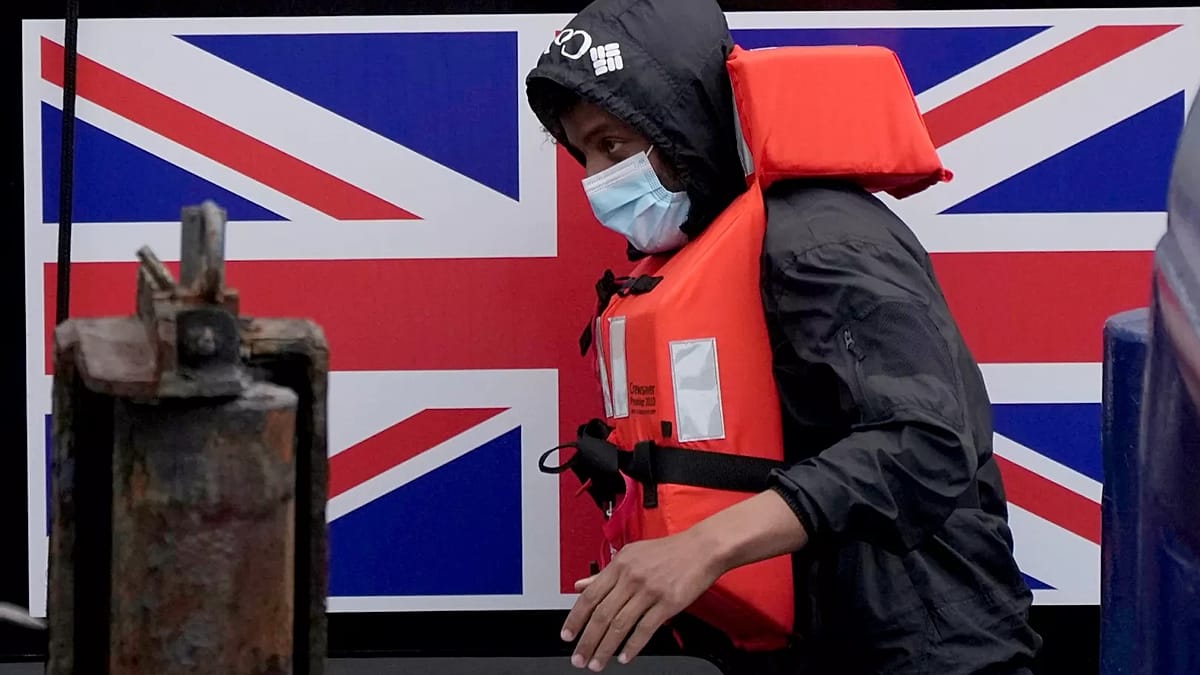
Roughly a fifth of the world’s oil and liquefied natural gas usually passes through the Strait of Hormuz and weeks of disruption have rattled energy markets, stranded vessels and left more than 20,000 seafarers stuck in the region.
European governments have refused to join the US blockade of Iranian ports, saying that would amount to entering the war.
Italian Prime Minister Giorgia Meloni, present in Paris, argued that the stakes go beyond energy, saying fertilisers are also critical for global food security.
She said it remained vital for Iran to abandon any pursuit of nuclear weapons and made clear that Italy was ready to play its part in a future operation.
In her view, that role would focus on reassuring commercial vessels already in the strait, including by helping ensure there are no mines, within what she stressed would be a purely defensive mission.
German Chancellor Friedrich Merz warned of the risk of a broader and “multidimensional global war” if the crisis is not contained.
He indicated Germany could contribute to a future effort, including potentially through mine clearance.
He said Germany, “if possible, would also like to see the United States of America participate; we believe this would be desirable,” in contradiction to the French president’s earlier statement of excluding all belligerents from the mission.